Richmond and Henrico Health Districts Urges the Community to Prepare for Incoming Winter Storm

January 22, 2026
Media Contact: Bryan Hooten, 804-807-1727, bryan.hooten@vdh.virginia.gov

Richmond and Henrico Health Districts Urges the Community to Prepare for Incoming Winter Storm

RICHMOND, Va. – Richmond City and Henrico County are expected to be impacted by severe winter weather, including snow, ice, and extremely cold temperatures. Richmond and Henrico Health Districts (RHHD) urge you to prepare now to keep yourself, your family and your pets safe, warm and healthy during this storm.

“We have all experienced how disruptive winter weather can be to our daily lives,” said Richmond and Henrico Health Districts Director Elaine Perry, M.D. “Take time now to make sure your home, family, friends, and neighbors are ready for this winter storm. Prepare for the storm by organizing your emergency kits and medicines, insulating your home, and staying up to date on weather reports. During the storm, stay indoors as much as possible, ventilate emergency heat sources and check on friends and family. Let’s take care of ourselves and each other as winter weather affects our communities.”

Before the Storm

  • Make sure you have an emergency supply kit on hand and keep an emergency kit for your car.
  • Organize and protect your prescriptions, over-the-counter drugs, home-use medical devices, and vitamins. Talk to your doctor or pharmacist about how you can create an emergency supply of medicines.
  • Check your smoke and carbon monoxide
  • Replenish fuel for your car and heating sources.
  • Weatherproof your home by insulating exposed pipes and caulking and weather strip doors/windows.
  • Make sure you understand the warnings, watches and advisories and have multiple ways to receive alerts.
  • Write down the contact information and directions to your local Inclement Weather Shelter or warming center. Call 804-646-3111 or email homeless@rva.gov for more information.
    • City of Richmond Inclement Weather Shelter (IWS)
      1900 Chamberlayne Parkway
      Richmond, VA, 23222
      Open 5 p.m.-8 a.m.

      • The shelter may remain open after 8 a.m. when temperatures are less than or equal to 40°F, or when more than one inch of freezing rain or snow has fallen in 24-hours.
    • Richmond Public Library branches serve as warming spaces during normal operating hours.
    • Henrico County libraries and recreation centers are open to the public during normal operating hours.

During/After the Storm

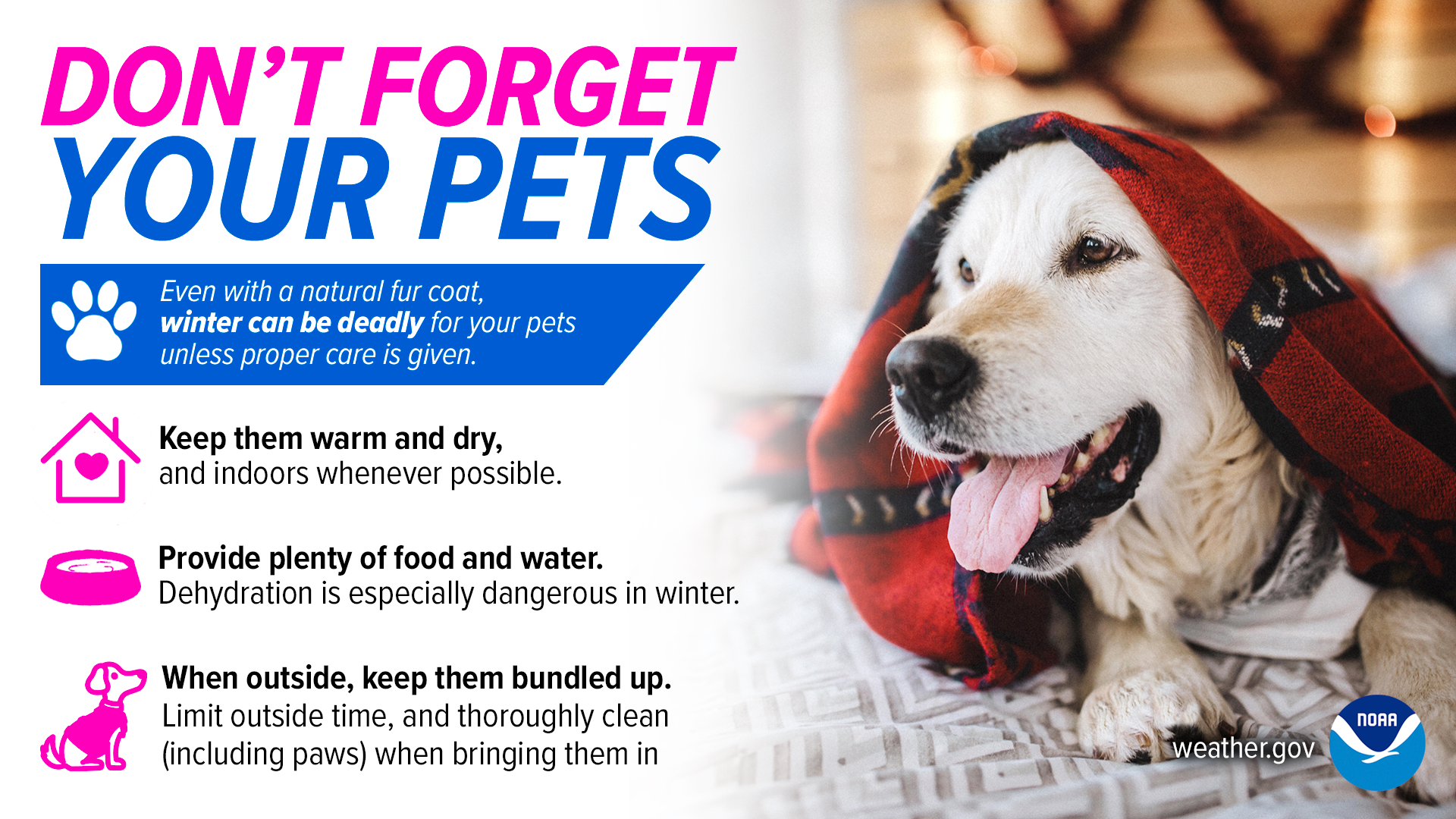
  • Bring your pets indoors and ensure they have water.
  • Stay indoors and limit your exposure to the cold.
  • Properly ventilate emergency heat sources.
  • Keep generators outside at least 20 feet from your home.20
  • Check on neighbors and family.

If you must go outside, take the following precautions to stay safe and prevent frostbite and hypothermia:

  • Wear proper footwear for traction. Take slow, short steps.
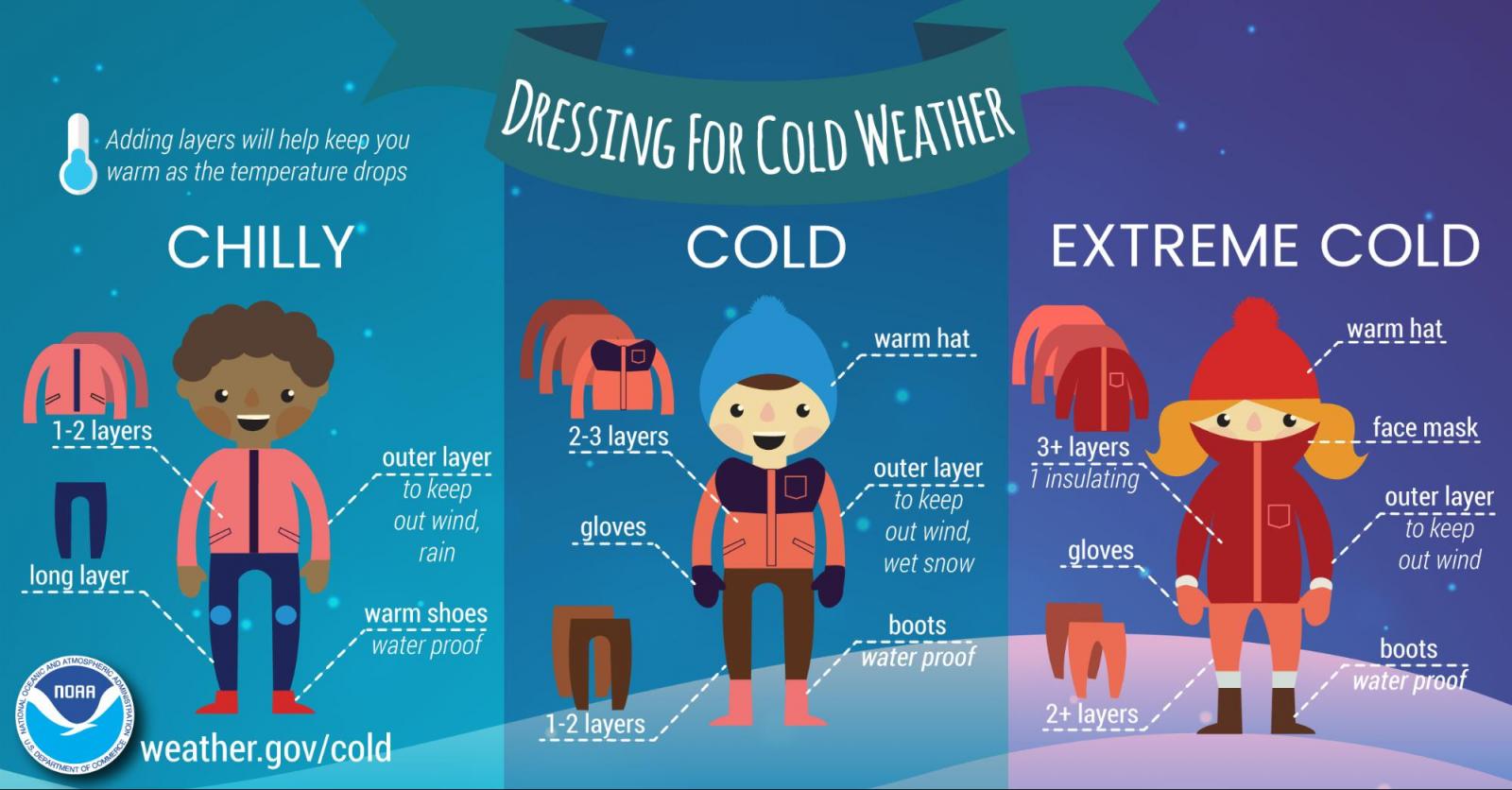
  • Dress warmly and in layers. Make sure you cover your head, fingers and toes.
  • Avoid getting wet and change out of wet clothes as soon as possible.
  • Stay hydrated. Drink warm beverages.
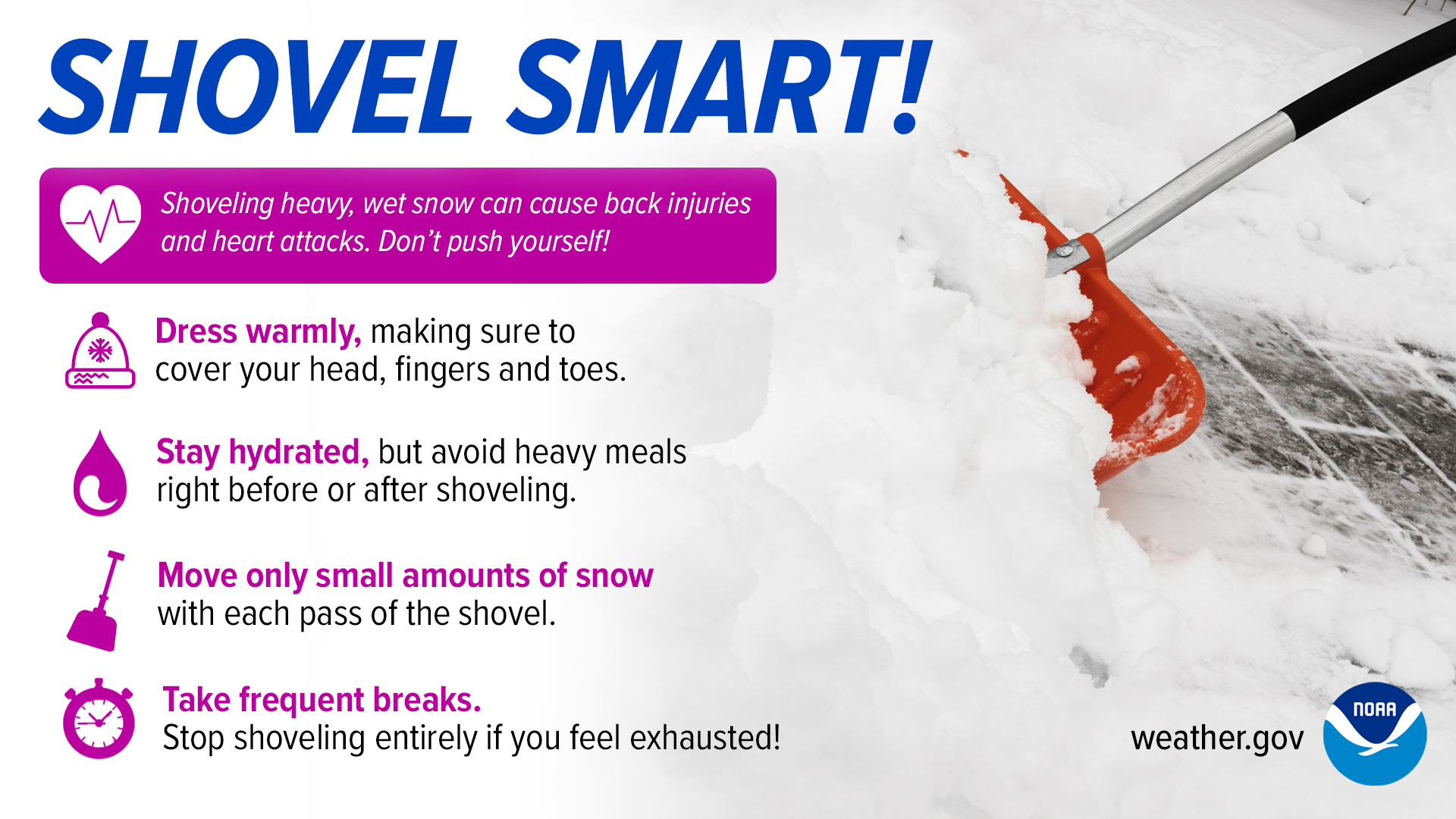
  • Take frequent breaks if shoveling snow or working outdoors.
  • Stay off the roads. If you must travel, check the road conditions and your route first. Allow extra time and follow these tips from the Virginia Department of Transportation.
RHHD wants you to stay safe, warm and healthy! Visit rhhd.gov for more health and safety information. Follow RHHD on Instagram (@richmondcity_hd) and Facebook.

# # #

Richmond and Henrico Health Districts Encourages Everyone to Make a Plan in Honor of National Preparedness Month

September 9, 2024

Media Contact: RHHDpr@vdh.virginia.gov
804-807-1727

Richmond and Henrico Health Districts Encourages Everyone to Make a Plan in Honor of National Preparedness Month

RICHMOND, Va. – Richmond and Henrico Health Districts encourage the public to observe National Preparedness Month (NPH) this September by making a plan for emergencies.

“Emergency preparedness starts with a few simple, cost-free steps,” says Ed Porner, Richmond and Henrico Health Districts emergency preparedness and response coordinator. “Talk to your family, gather important information, and find out what your friends and neighbors will need. The more prepared we are as a community, the better we will fare.”

The theme of this year’s NPH is “Start a Conversation” The best way to begin the development of your family emergency plan is to start with a conversation. The U.S. Department of Homeland Security advises that the best time to start talking about emergency preparedness is when everyone is calm and relaxed. Hold the discussions over a small time period so decisions aren’t rushed, and everyone can feel more comfortable talking about the topic. Ensure everyone has input and is on board! Talk about steps you’ve taken to prepare in the past, things that have gone well (or not gone well) as a result of planning and encourage others to ask questions about preparedness actions that might work for them.

Make sure your plan includes everyone! Consider supporting those in the community that might need your help, like an elderly neighbor or someone with a disability. Don’t forget to plan for your pets!

Ed Porner offers these tips to help you and your family stay prepared:

Prepare your family AND your household. Disasters can happen unexpectedly and without warning. Hurricanes and storms may give us some time to gather things together, but fires, floods, and other disasters could give us only seconds to get to safety. Gather important documents like birth certificates, citizenship papers, or backup medical prescriptions and place them in a secure location close to an exit, preferably in a fireproof box.
Talk openly with kids about preparedness. Talk with children often, honestly, and openly about the potential for emergencies while empowering them to take charge of their own preparedness. “Comfort items” for both kids and older adults should be an important part of an emergency kit – think a favorite toy or a keepsake that’s important to that person. Discussions should include procedures for reuniting if separated, trusted people in their lives that they can call, and how to access emergency services if they’re alone. Prepare with Pedro from Ready.gov is a fun resource that families can use to help kids think about preparedness.
Meet your neighbors. Planning with your community in mind can help counteract some of the ways way age, income, or disabilities impact someone’s readiness for emergency situations. Have conversations about the needs your neighbors might have and what type of assistance they might need in an emergency.
Practice your plan. Turn preparedness into a game like a treasure hunt for emergency kit items, or a car trip around the neighborhood highlighting meeting points of safe areas. Ready.gov has many more ideas.
• Learn more about preparedness at Ready.gov or VDH Severe Weather Preparedness.