
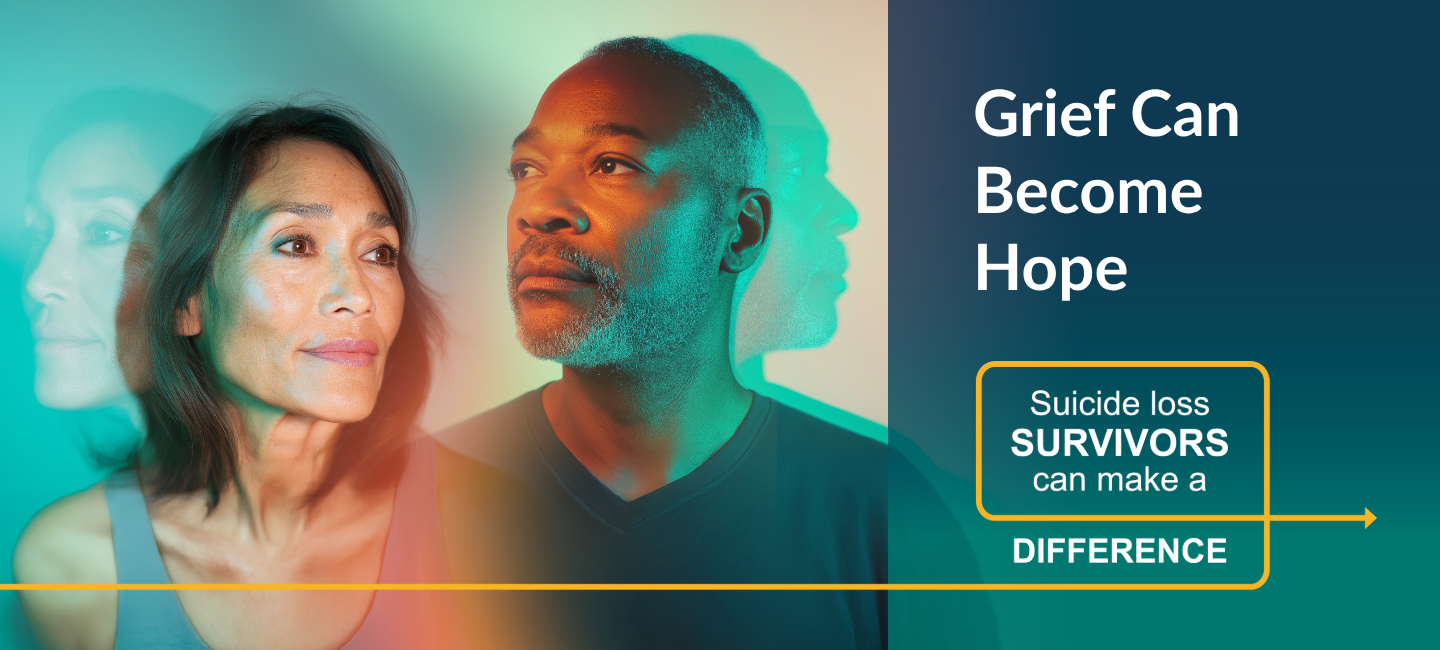
For loss survivors, the aftermath of a suicide comes with an array of conflicting emotions and profound grief. As a loss survivor, you are uniquely qualified to help those left behind. Postvention care in the aftermath of a suicide is one of the most effective ways to prevent future suicides. Your experience can make a world of difference. Together we can build a community of support.
Postvention and
Why it Matters
Postvention is the organized support and response given to loss survivors in the immediate aftermath of a suicide. It provides mental health resources and compassionate care to the bereaved while addressing the emotional and psychological impact on individuals and communities. Postvention services are believed to be the most effective way of preventing future suicides.
VDH is collaborating with various grassroots organizations to create a network infrastructure that will provide postvention services to loss survivors throughout Virginia. Working together we can mobilize communities and build a culture of caring and support for suicide loss survivors.
Learn More About Suicide Postvention
The following six learning modules further explore hope-oriented suicide postvention and how a robust network of connected and caring individuals can provide compassionate support to loss survivors.
Learning Modules
MODULE 2: UNDERSTANDING
How ecological and individual experiences shape our attitudes and understanding of suicide.
MODULE 4: RESOURCES
Educational tools for a better understanding of effective action.
Coming Soon
MODULE 5: SEM
Examining the influence of multiple levels of interacting factors as part of The Social Ecological Model.
Coming Soon
MODULE 6: ACTION
Developing a compassionate and effective plan of action.
Coming Soon
Community Information and Resources
Use the following links, contacts and resources to help others. For resources on helping young children through grief and loss, please contact us.

FAQs
Suicide postvention refers to the organized response in the aftermath of a suicide to support those who are grieving, reduce the risk of additional suicides, and help affected individuals heal. It includes immediate crisis response, support services, and long-term care to promote recovery and well-being.
A suicide loss survivor is anyone who has been deeply affected by the death of someone by suicide. This can include family, friends, co-workers, classmates, first responders, or others in the community. Reactions vary and are not limited to biological or legal relationships.
Grief after a suicide can involve a wide range of emotions, including shock, guilt, anger, shame, confusion, loneliness, and even relief. These feelings are normal and may fluctuate throughout the healing process.
Be honest using age-appropriate language, validate their feelings, avoid speculation, and ensure they know it wasn’t their fault. Tailor your support based on how they prefer to grieve—some may want to talk, others may need space, creativity, or peer support.
People exposed to suicide are at higher risk for suicidal thoughts and behaviors themselves. Effective postvention reduces this risk by offering emotional support, professional help, and tools for coping, which can prevent suicide contagion and clusters.
National organizations such as the Suicide Prevention Interagency Advisory Group, American Foundation for Suicide Prevention (AFSP), Full Circle Grief Center, Loss Outreach for Suicide Survivor Teams (LOSS), Suicide Prevention Resource Center, and the Virginia Suicide Prevention Lifeline (988) provide additional education and resources including grief support, therapy referrals, and peer connections, and more. In Virginia, LOSS teams and local mental health providers offer community-based services.
There’s no set timeline. Some people may process their grief in months, while others may need years, especially those with complicated grief or trauma. The journey is individual, and accessing support can make a meaningful difference.
Avoid phrases like "they’re in a better place" or "they committed suicide." These can be hurtful or stigmatizing. Instead, say "they died by suicide" and acknowledge the person’s pain and loss with compassion and nonjudgmental presence.
You can join or support local LOSS Teams, participate in awareness events, volunteer with survivor support organizations, or share your lived experience to help others. Communities thrive when those affected by suicide are engaged in healing efforts. To get engaged, send us a note with your information and someone will follow up with you.