The U.S. Food and Drug Administration recently issued a warning regarding radioactivity in certain frozen shrimp products cautioning against their sale or consumption. Cesium-137 is a radioactive element that is produced during nuclear fission. Cesium-137 can be found in the environment as a result of accidental releases from nuclear power plants or from nuclear weapon testing. It is also used in industry in some gauges and in medicine for radiation therapy. People can be exposed to cesium-137 by breathing in air, drinking water, or eating food that contains cesium-137. Exposure to high levels of cesium-137 can cause negative health effects including cell damage, burns, acute radiation syndrome, and an increased risk of cancer.
For more information about the FDA alert and cesium-137:
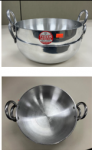
The Food and Drug Administration (FDA) is warning consumers about possible lead in imported cookware. Testing done by the FDA has shown that imported cookware made from aluminum, brass, and aluminum alloys known as Hindalium/Hindolium or Indalium/Indolium may leach lead into food when used for cooking. Exposure to lead can cause many negative effects including decreased learning, memory, and attention, weakness in fingers, wrists, or ankles, anemia, and kidney damage. Children and babies are especially at risk for negative health effects from lead exposure.
The FDA recommends that consumers check their homes for products listed on the safety alert and throw away any cookware found on that list. It is not recommended to donate or refurbish this cookware. If consumers are concerned about lead exposure they should contact their healthcare provider.
The United States Food and Drug Administration (FDA) is recommending that the substance 7-hydroxymitragynine, known as 7-OH, become a controlled substance due to its ability to bind to opioid receptors, making it potentially addictive. 7-OH is a concentrated component of the kratom plant. The FDA is focused on regulating 7-OH and not focused on natural kratom products.
The use and availability of 7-OH products is growing at a concerning rate. The FDA has not approved any 7-OH drugs or 7-OH dietary supplements and 7-OH cannot be lawfully added to food. Fruit flavored gummies and ice cream cones that contain 7-OH are especially appealing to children and teenagers. The Drug Enforcement Administration is reviewing FDA’s recommendation to make 7-OH a controlled substance and will make a final decision later.
The FDA warns about the adverse effects of inhaling nitrous oxide products. Nitrous oxide is a gas that can be dangerous when inhaled. Health effects of inhaling nitrous oxide include a wide range of issues from headaches, abnormal blood counts, blood clots, frostbite, asphyxiation and in some cases, death. Neurological problems can continue to be seen in individuals that regularly inhale nitrous oxide even after stopping use.
Nitrous oxide canisters are intended to be used as food processing propellant for whipped cream and other food use. Nitrous oxide products may be sold for intentional misuse under brand names including Galaxy Gas, Whip-It!, NITROX, and many others.
On January 15, 2025, the U.S. Food and Drug Administration (FDA) made an amendment to the color additive regulations which bans the use of FD&C Red No. 3 dye in food and medicines. FD&C Red No 3. is also known as Red Dye No. 3, Red Dye 3, and erythrosine and is a synthetic food dye that causes a bright red color. Red Dye No. 3 can be found in some medicines and many foods including candy, cakes, cupcakes, cookies, popsicles, and frosting.
Studies showed that high levels of FD&C Red No. 3 dye caused cancer in male laboratory rats. Although there has been no evidence of FD&C Red No. 3 causing cancer in humans, due to the Delaney clause the color additive cannot be used in food. The Delaney Clause states any food or color additive found to cause cancer in humans or animals must be banned. For more information regarding the health concerns relating to Red Dye No. 3, visit the FDA’s website, FD&C Red No. 3 | FDA .
The FDA will provide guidance and recommended alternatives to drug manufacturers that often use the color additive. These companies will have until January 18, 2028, to completely remove FD&C Red No 3 from their products.
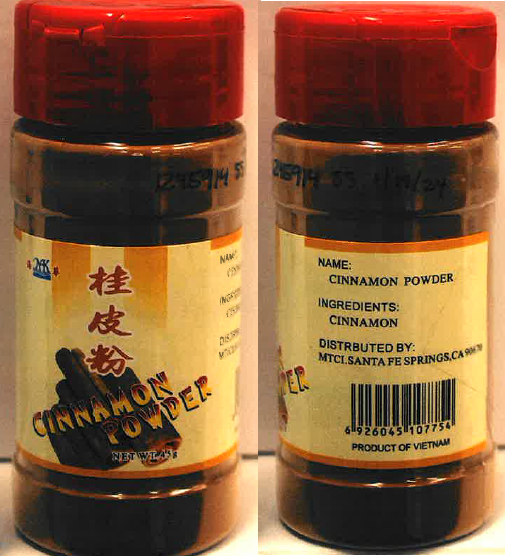
The FDA found unsafe levels of lead in some children’s applesauce in 2023, and tracked this to lead contamination in ground cinnamon in the applesauce. These products have been recalled, but this launched a larger investigation of lead in ground cinnamon products. Since March 2024, FDA has issued public health alerts related to multiple ground cinnamon products found to contain unsafe lead levels. The products listed below have been reported in three different public health alerts:
People who have any of the products listed below should check the FDA alerts to see if their cinnamon is from a lot or product code found to contain lead and if there is a recall listed. If there is a recall, follow the recall directions for returning the product. If you have cinnamon from a lot or product code that was found to contain lead and there is no manufacturer recall, you should throw out the product.
Products Included in the Lead in Ground Cinnamon Public Health Alerts—Check FDA Alerts for Lots/Codes Covered
Since lead was found in applesauce last year and determined to be from the cinnamon used, the FDA and partner states have been testing ground cinnamon products for lead. Since March 2024, FDA has found multiple ground cinnamon products with unsafe levels of lead. To this point, all of the products have had much lower levels than the cinnamon found in the applesauce that was recalled. However, these products are still hazardous to people’s health, especially children and pregnant women. You can see if you have bought any of these products at the FDA website:
Some products have been voluntarily recalled by the manufacturer and can be returned to the store for a refund. Others have not been recalled yet. People with these cinnamon products should not continue to use them and should throw them away.
The FDA released a warning that getting alcohol-based hand sanitizer in a person’s eyes can result in serious eye injury. With the increased use of hand sanitizers, the number of such injuries has gone up. The risk is highest for children, because they may not know how to use hand sanitizer safely, and wall- or stand-mounted hand sanitizer dispensers are at eye level for them so they are at greater risk of being splashed when dispensing hand sanitizer.
To reduce the risk of injury, hand sanitizer should never be applied in or around the eye. When hand sanitizer is used, the hands should be rubbed until the sanitizer fully evaporates and the hands are dry. If eye contact does occur, immediately rinse the eye with water for 15-20 minutes. Get urgent medical help if irritation persists.