
What is cobalt? 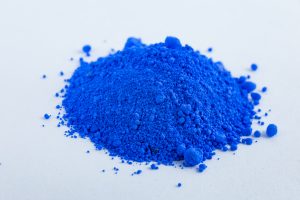
Cobalt is a naturally occurring element found in rocks, soil, water, plants, and animals. Cobalt is used to produce a metal that is used in the making of aircraft engines, magnets, grinding and cutting tools, and artificial hip and knee joints. Cobalt compounds are also used to color glass, ceramics, and paints. Radioactive cobalt is used for commercial and medical purposes. It is used for sterilizing medical equipment and in radiation therapy for treating cancer patients.
Who is exposed to cobalt?
People can be exposed to low levels of cobalt by breathing air, eating food, or drinking water. Food and water are the main ways that people can be exposed to low levels of cobalt. Most people are unlikely to be exposed to high enough levels of cobalt to be harmful. Individuals working in industries that manufacture or use cutting or grinding tools, process cobalt metal, produce cobalt alloys, or use cobalt are at risk of exposure to high levels of cobalt. People may be exposed to cobalt by the deterioration of cobalt-containing artificial joints. Doctors will monitor people with cobalt-containing artificial joints to make sure they are not being exposed. 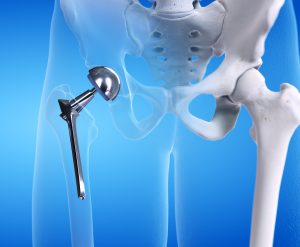
The general public is rarely exposed to radioactive cobalt. People are not expected to be exposed to radioactive cobalt unless they are undergoing radiation therapy or working at nuclear facilities, irradiation sites, or nuclear waste storage locations.
How can cobalt affect my health?
Cobalt can have both beneficial and harmful effects on human health. It plays a vital role as a component of vitamin B12, which is essential for red blood cell production and neurological function. However, exposure to high levels of cobalt can be harmful. It may cause respiratory and cardiovascular issues, as well as skin irritation. In animal studies, high cobalt exposure has also been linked to liver and kidney damage. Exposure to large amounts of radioactive cobalt can result in cell damage. In extreme cases, this may lead to acute radiation syndrome. Acute radiation syndrome can cause symptoms such as nausea, vomiting, diarrhea, internal bleeding, coma, and, in rare instances, death.
How likely is cobalt to cause cancer?
Nonradioactive cobalt has not been shown to cause cancer in people or animals when it’s consumed through food or water. However, cancer has been seen in animals that breathed in cobalt or had it placed under the skin or into muscle. Based on these animal studies, the International Agency for Research on Cancer (IARC) says that cobalt and its compounds can cause cancer in humans. High levels of radioactive cobalt can also damage the genetic material in cells, which may lead to certain types of cancers.
Is there a medical test to determine if I’ve been exposed to cobalt?
Cobalt levels in your body can be measured through blood or urine tests, usually within a few days after exposure. A doctor can collect the samples, but they need to be sent to a special lab for testing. These tests can help estimate how much cobalt you were exposed to, but they cannot tell whether you will develop health problems.
For radioactive cobalt, there are two main types of tests. One checks for signs of high radiation exposure by looking at changes in blood cells or chromosomes. This test can’t confirm if the radiation came from cobalt. The other test looks to see if radioactive cobalt is inside your body or if it is being excreted. It may involve testing your blood, urine, saliva, feces, or even scanning your whole body. Samples are either collected at a doctor’s office and sent to a lab, or you may need to visit a lab for collection.
How can I reduce my exposure to cobalt?
- Children should avoid playing in soil near hazardous waste sites where cobalt may be present.
- Watch your cobalt dietary intake if you are taking vitamin B12 supplements.
- Workers who could be exposed to cobalt should wear appropriate protective clothing and use recommended equipment.
Where can I get more information about cobalt?
Updated 2026