
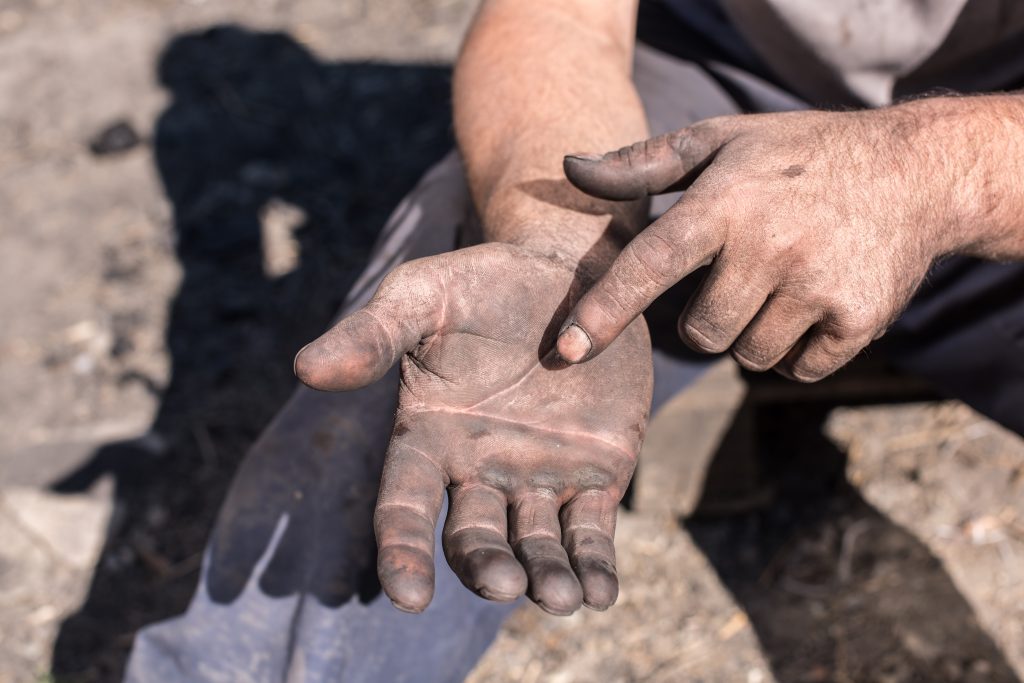
Many hobbies and industries can expose adults to lead. If precautions are not taken, this can lead to dangerous levels of lead exposure for the adult. It can also put the adult's family at risk through "take-home lead". Take-home lead is lead dust that an adult unknowingly carries home on their clothes, shoes, skin, hair, or personal belongings.
Health Effects in Adults
Lead exposure is dangerous for adults as well as young children, and there are many sources for exposure in the workplace or through different hobbies. Lead can be inhaled (breathed in) through fumes and dust, ingested (eaten) if dust settles on your hands or other objects, or absorbed through the skin. You can be exposed to lead dust in the air of buildings where certain activities take place, so even if you did not work directly with a lead-containing material there is still of risk of lead exposure.
Symptoms of adult lead poisoning include:
- High blood pressure.
- Joint and muscle pain.
- Difficulties with memory or concentration.
- Headache.
- Abdominal pain.
- Mood disorders.
- Reduced sperm count and abnormal sperm.
- Miscarriage, stillbirth, or premature birth in pregnant people.
You may experience lead poisoning from a single, high-dose (acute) exposure to lead or many smaller amounts over time (chronic) exposure. Either can cause negative health effects.
Lead at Work
Industries where you can be exposed to lead include:
- Building renovation and painting.
- Mining.
- Smelting.
- Battery recycling.
- Refinishing old furniture.
- Auto body work.
- Shooting ranges.
The National Institute for Occupational Safety and Health (NIOSH) provides more information about workplace lead exposure on their website.
Lead in Hobbies
Hobbies where you can be exposed to lead include:
- Hunting.
- Shooting at indoor firing ranges.
- Fishing.
- Stained glass.
- Making pottery.
- Stock cars.
Lead can be found in shot, fishing sinkers and jigs, came and solder used in making stained glass, dyes and glazes used in pottery, and many other items.
Exposure Prevention
The good news is that simple prevention measures can keep you and your family safe from sources of lead at work and from sources outside the home:
- Never put leaded materials in your mouth.
- Wear recommended PPE (personal protective equipment) and work in a well-ventilated area.
- Avoid handling food, smoking, or touching your face while working with lead materials.
- Wash your hands before eating, drinking, or smoking when working with lead materials.
- Shower and change clothes before entering your vehicle or your home.
- Take off your work shoes outside the home.
- Wash your work clothes separately from your family’s clothes.
- Keep all work and hobby materials away from living areas.
How Do I Know if I Have Been Exposed to Lead?
The only sure way to know if you have been exposed to lead is with a blood lead test. If you think you may have been exposed to lead at work or through a hobby, ask a health care provider for a blood lead test.
Make sure everyone in your household tells their health care provider that they live with someone whose job or hobby might expose them to lead. This is especially important for anyone in the household who is pregnant or trying to become pregnant and for young children.
Learn more: