Many lead exposures happen at home. Lead-based paint, lead service lines, and lead-contaminated soil are all common household sources of lead exposure. Lead exposure can cause serious health problems for both adults and young children. Protect your family from household lead exposure by hiring a lead-safe certified contractor or following lead-safe guidelines for all repairs and renovations. For more information on sources of lead, visit our Information for Parents page or check out this full list of possible lead exposure sources.
- Lead in Paint
- Lead in Soil
- Lead in Water
- Information for Rental Properties and Real Estate
- Information for Lead Professionals
- Funding Resources
Lead Safe Renovation
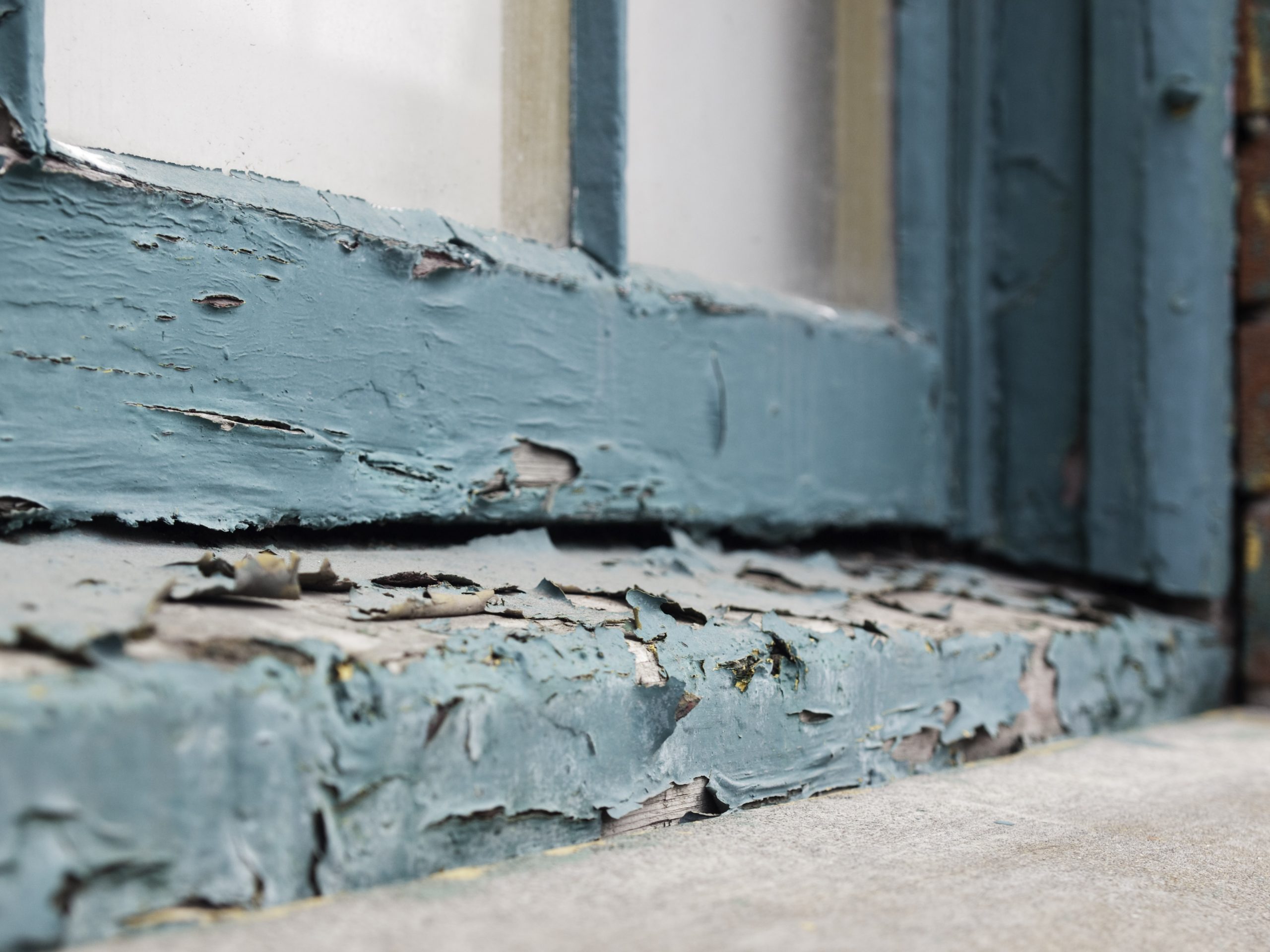
If your home was built before 1978 it is more likely to contain lead-based paint. Once the paint starts to deteriorate it becomes a serious hazard. Your family can become exposed to lead by:
- Dust from lead-based paint, due to normal wear and tear or due to renovations.
- Flaking and peeling lead-based paint.
If you live in an older house, routine maintenance can keep the paint intact. This will reduce your family’s risk of exposure to harmful lead dust and paint chips.
Getting Started
Before beginning any renovation, repair, or painting (RRP) projects on an older home, it is a good idea to figure out if there is lead-based paint present. Homes built before 1978 are likely to contain lead-based paint. To be sure, hire a lead-safe certified contractor or risk assessor to test your home for lead-based paint.
A professional is likely to be more thorough than doing it yourself. However, there are also ways to take your own samples and submit them to a lab for testing:
- EPA list of accredited laboratories.
- The Virginia Division of Consolidated Laboratory Services (DCLS) maintains a searchable list of accredited laboratories located in Virginia.
If you plan to upgrade or renovate your home yourself, make sure to use safe renovation practices to protect your family from lead exposure. Doing renovation, repair, or painting (RRP) projects without proper precautions can expose you and your family to high levels of lead. Activities such as scraping old paint or removing it with a heat gun can produce dangerous lead dust, chips and fumes. In-depth guidelines for lead-safe renovations can be found on the EPA's website.
Remember, if your home is used as a family day care home EPA’s RRP rule requires all RRP projects to be completed by a lead-safe certified contractor.
Hire a Lead Safe Certified Contractor
It may be best to hire a lead-certified contractor rather than doing this work yourself. If you hire a professional contractor, choose one that is certified under the EPA's Renovation, Repair, and Painting (RRP) program.
When you hire a contractor:
- Make sure the individual or firm has an EPA RRP certificate.
- Make sure your contract states that all work will be performed using lead-safe work practices.
- Assure clearance testing is performed once the project is complete.
- Get a copy of the results that show no hazardous lead dust was left behind.
Abatement
Abatement means permanently controlling lead-based paint or lead-based paint hazards.
Use a licensed lead abatement firm if the main purpose of the project is to make the house lead-safe. Virginia law (CVA 54.1, Chapter 5) requires lead contractors and certain individuals to have a license before conducting activities that disturb lead-based paint. The Virginia Department of Professional and Occupational Regulation (DPOR) administers this license program. Their phone number is (804) 367-8595.
- Visit DPOR search for licensed lead contractor or worker to verify license, license status, complaint history and more.
After choosing a contractor or individual:
- Check for any complaints.
- Develop a contract for the scope of services.
- Specify in the contract the detailed nature of the work.
- Explain that the purpose of the project is to remove lead paint hazards or to abate lead-based paint. This will protect you, your family, and your community in case there are any legal problems.
Notification to Department of Labor and Industry (DOLI):
Virginia regulation (16 VAC 25-35-30) requires written notification of any lead project by the contractor or individual to the DOLI:
There is no fee for residential property (16 VAC 25-35-40). The provision for emergency notifications (less than the required 20 days) is available (16 VAC 25-35-30).
Note: At present, DOLI does not issue an actual permit for lead abatement projects that do not require a fee. Contractors do not have to wait for DOLI to send them a permit to start the project after they have submitted the notification.
Learn more:

Lead in Soil
How Does Soil Become Contaminated With Lead?
Soil can become contaminated with lead a variety of ways:
- Lead-based paint. Lead may be present in soil surrounding old buildings that were painted with lead-based paint. Paint chips and dust can settle into the soil around the structure as the paint deteriorates.
- Gasoline. Soil may become contaminated near high traffic areas as a result of emissions from vehicles that used leaded gasoline. Leaded gasoline was banned in the United States in 1996; however, lead does not break down over time, so the soil may still be contaminated.
- Aviation fuel. Soil can also become contaminated near airports that support piston engine aircraft, where lead from the gasoline may have settled. Certain small aircraft still use leaded fuel.
Lead Exposure From Soil
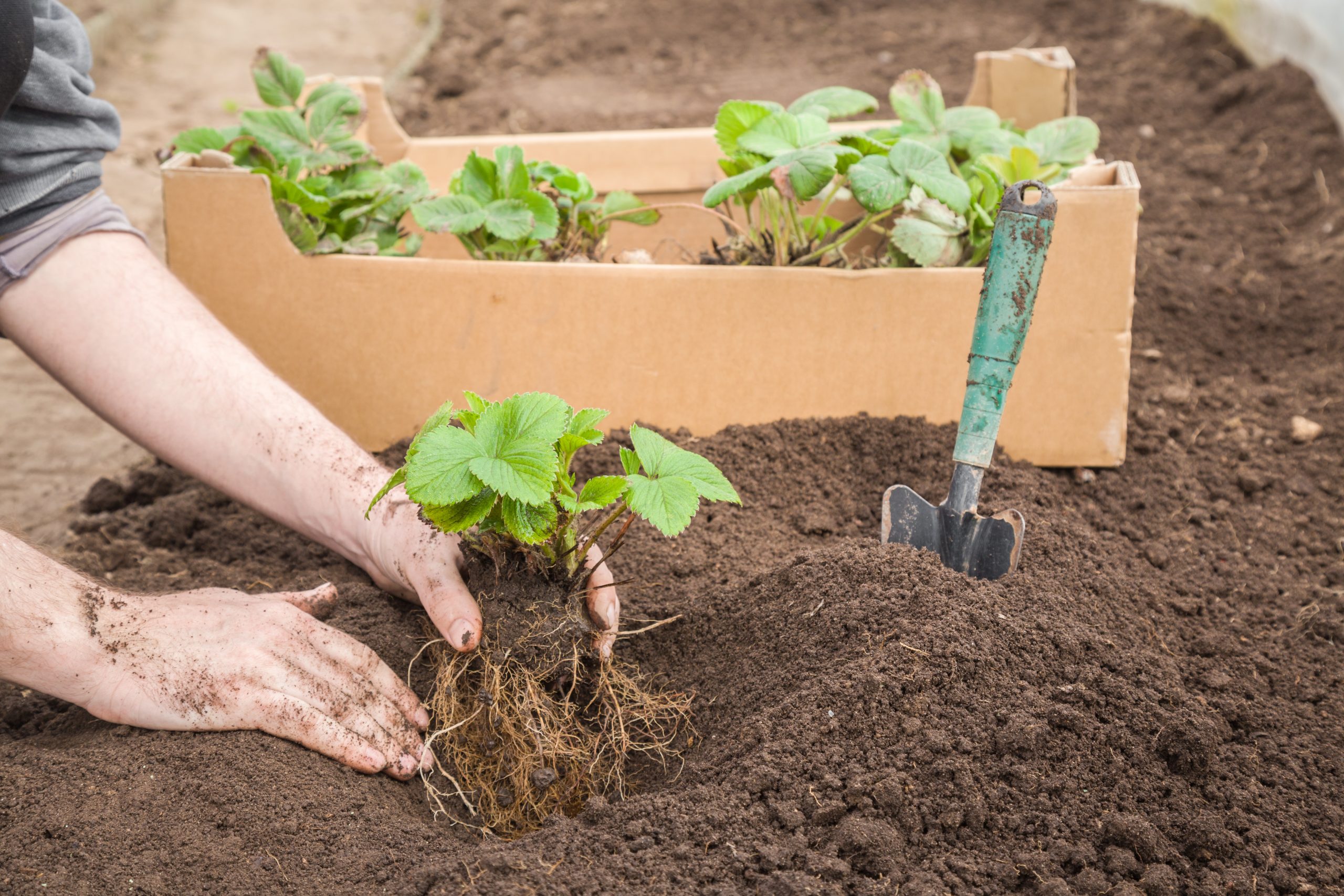
Both children and adults can be exposed to lead in soil by:
- Playing in bare soil.
- Gardening.
- Eating food grown in lead-contaminated soil (especially root vegetables, which tend to have higher lead levels than other garden foods because of lead-contaminated soil and dust on the surface of the plant).
- Hand to mouth behaviors (common in young children) while playing outside or after playing outside.
- Bringing lead dust from contaminated soil into the home on clothes, shoes, or pets.
Preventing Lead Exposure From Soil
Reduce your family’s risk of lead exposure from contaminated soil by following these safety tips:
Minimize contact with bare soil.
- Prevent children from playing in bare soil. If they do, immediately wash their clothes and hands.
- Cover soil with mulch or grass, or by adding clean soil or compost.
- Build sandboxes for children filled with clean sand.
Practice good hygiene.
- Wash children’s hands and clothes after contact with bare soil.
- Remove shoes before entering the home. This will help prevent lead dust from contaminated soil from being tracked inside the home.
Follow safe gardening practices.
- Use gardening gloves.
- Use raised beds filled with clean soil.
- Wash your produce before eating it with water with a small amount of vinegar (1% solution) or soapy water.
- Peel root vegetables and remove outer leaves of leafy vegetables (anything that comes in direct contact with soil).
If you live in an older neighborhood or an area previously used for industries that create lead pollution, you may want to get your soil tested for lead.
Learn more:
Lead in Water
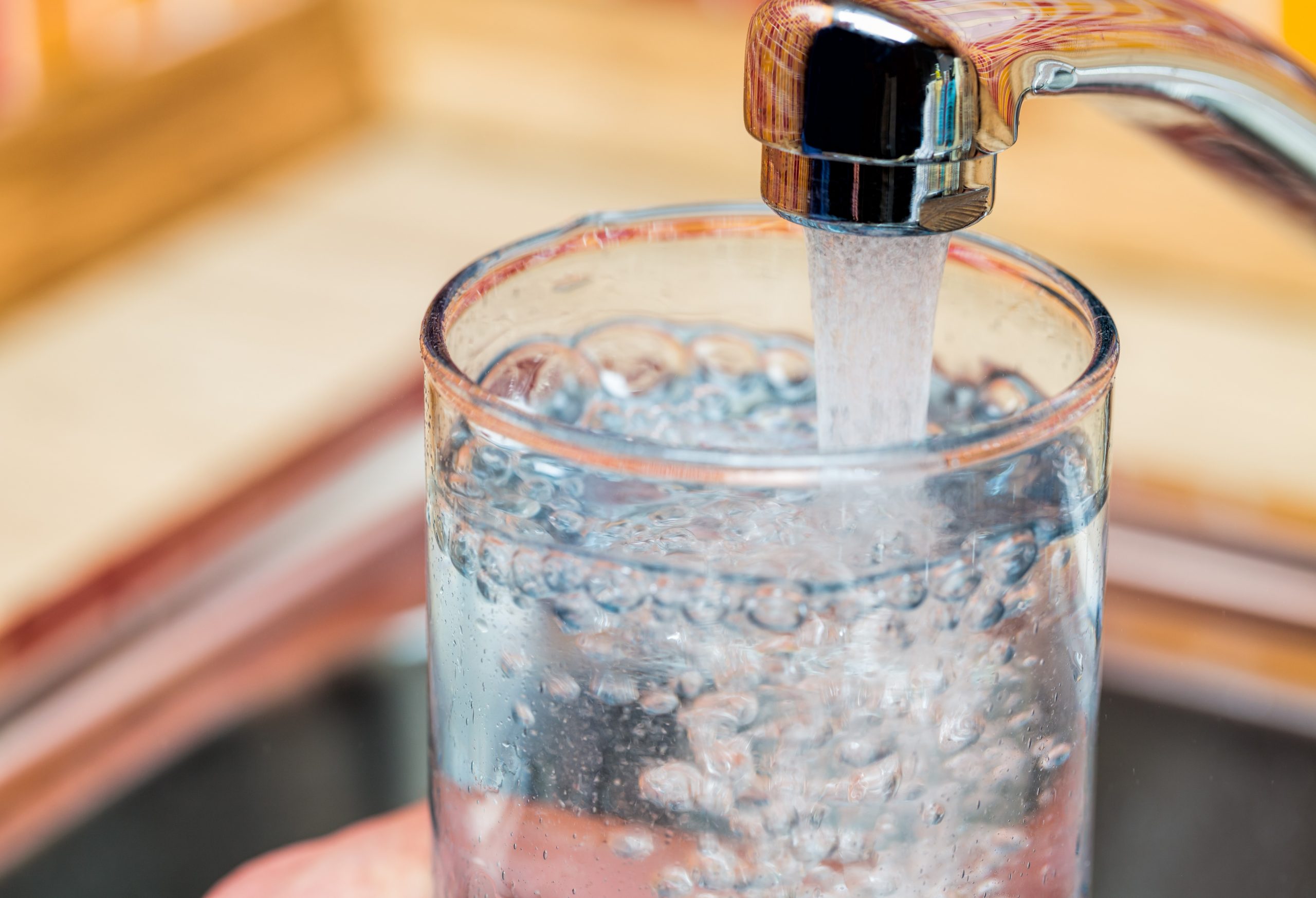
There are many ways people can be exposed to lead, including through drinking water. Lead is rarely found in natural sources of water. However, it is possible that homes built before 1986 contain lead in pipes, plumbing, fixtures, and solder. This lead can dissolve into your water, especially if it has been sitting in the pipes for a few hours.
What Can I Do to Reduce My Family's Risk of Exposure to Lead From Drinking Water?
There are a few things you can do that will help reduce the risk of lead exposure from drinking water:
- Flush your pipes by running the water for 1-2 minutes before drinking or using it.
- Use cold water only for drinking and cooking food. Hot water can cause more lead to leach from pipes. Avoid using hot water from the tap to mix infant formula.
- Use a point-of-use (POU) water filtration device. These devices are used to remove impurities, including lead, from water at the point of use (i.e., faucet, refrigerator, pitcher, or water bottle).
- Have your water tested for lead.
Water Testing Resources
- Consumer Confidence Reports
- The EPA requires community water suppliers to test water quality regularly. The results of these water quality tests can be found in CCRs, provided annually
- Ask your water supplier (or landlord, if you live in an apartment building) for a copy of the CCR for your address.
- Understanding your CCR
- Virginia Household Water Quality Program Well Water Testing Clinics
- VAHWQP hosts drinking water testing clinics across the state. The program tests for other contaminants in addition to lead, including bacteria and nitrate
- Find a clinic happening near you
- Private certified water testing laboratories
The Office of Drinking Water (ODW) can provide more information about lead in drinking water.
Learn more:
Information for Homebuyers and Renters
Lead-based paint was banned in the United States in 1978. However, many older homes still contain lead-based paint today. When this paint is intact it is less of a hazard. Once the paint starts to deteriorate it is dangerous for anyone living in or spending a lot of time in the home.
Lead-Based Paint Disclosure Rule
Prospective buyers and renters have the right to know about any lead hazards present in a home before signing. The Lead-based Paint Disclosure Rule requires sellers, landlords, real estate agents, and property managers to tell the prospective buyer or renter about any known lead-based paint and lead-based paint hazards at the property.
If you are buying properties built before 1978, you should be provided:
- Information about identifying lead in your home.
- Information about any known lead-based paint or lead-based paint hazards.
- A 10-day period to conduct a paint inspection or risk assessment for lead-based paint hazards.
Renters can ask their landlord or property manager to get a paint inspection from a certified inspector before signing a lease. However, landlords and property managers are not required to do so by this Disclosure Rule.
For more information: Questions and Answers for Homeowners and Renters about Understanding Lead Inspections, Risk Assessments and Abatements.
The RRP Rule
Disturbing lead-based paint can be very dangerous. It can expose everyone in the household to lead dust and lead-based paint particles. Many renovation, repair, and painting activities risk disturbing lead-based paint in older homes. Because of this, the EPA developed the RRP rule.
EPA’s RRP Rule requires that lead-safe certified contractors perform all RRP projects that disturb lead-based paint in homes, child care facilities and preschools built before 1978.
Please visit the “Lead in Paint” tab for more information if you plan to renovate your home yourself.
Learn more:
Information for Lead Professionals
The Department of Professional and Occupational Regulation (DPOR)
DPOR licenses individuals engaged in lead-based paint remediation and renovation, and home inspection.
Visit their website to learn more about:
- Licensing and accredited training programs.
- Current laws and regulations.
- Other information for professionals.
The Department of Labor and Industry (DOLI)
DOLI enforces regulations regarding project permits. Visit their website for more information.
Funding Resources
Some localities have programs that provide financial assistance for lead screening, risk assessments, remediation, and abatement.
- Richmond: Richmond City Lead-Safe Program.
- Roanoke: Lead Safe Roanoke.
The Department of Housing and Community Development (DHCD) has a Lead Hazard Reduction (LHR) Program. This program provides remediation and abatement services to eligible families for free. For more information:
- VDH CLPPP Referrals and Partnerships page.
Financial institutions may provide a low interest rate for this type of work. Some of the expenses for lead remediation or abatement on the home of a lead-exposed child may also be a federal tax deduction under medical expenses. Check first with your tax adviser or visit www.irs.gov/publications/p502.