
 |
Food Service Inspections Protect Public Health |
|
Food Service Inspections Protect Public Health |
Health department staff help protect public health by working with food service operators to reduce risk factors that can lead to foodborne illnesses. Consuming food from illegal food operations increases your risk of illnesses from improper preparation, storage, and handling of foods. Foodborne illnesses such as E. coli and hepatitis may have greater impacts on vulnerable individuals such as children, the elderly, pregnant women, and those with weakened immune systems.
Pop-Ups and Pitfalls
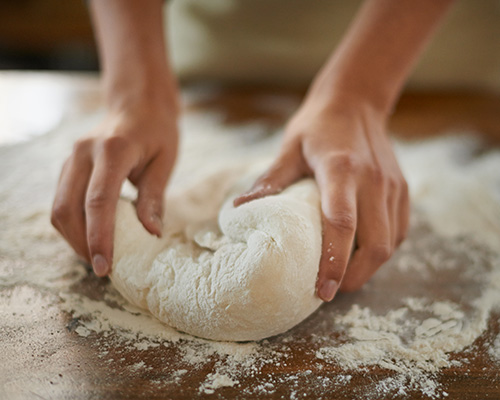
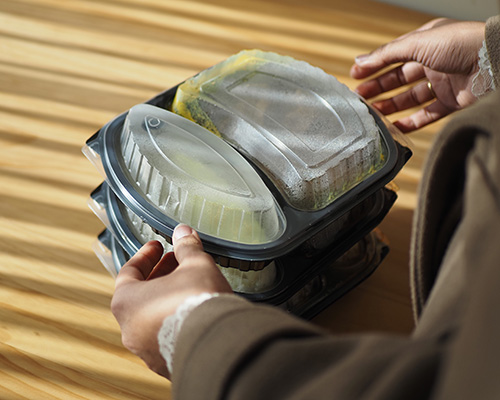
From homestyle chefs to "pop-up" caterers, more people are selling food directly through social media. The food may look delicious, but if it was prepared by an operator without a license, how can you be sure it meets safety standards?
Hidden Risks:
- Food may be prepared in a kitchen that is never inspected.
- Potential for allergens in the food or from pets in the kitchen.
- No checks on cooking temperatures, storage, or cleaning.
- Missing or fake labels offer no way to know what's really inside the food.
- If you get sick, there's no way to trace the source.
Protect yourself and your family:
- Ask sellers if they're licensed.
- Look for a posted permit, including for temporary vendors.
- Check online for restaurant inspection reports.
- Can't confirm? Don't click "order."
Play it Safe!
A photo may get lots of "likes," but that doesn't make the food safe to eat. Choosing licensed food operators supports local vendors who make food with your safety in mind.
Coming Soon - You can make a complaint about an unlicensed food operator here. Reports can be made anonymously.
How does VDH protect public health through food licensing?
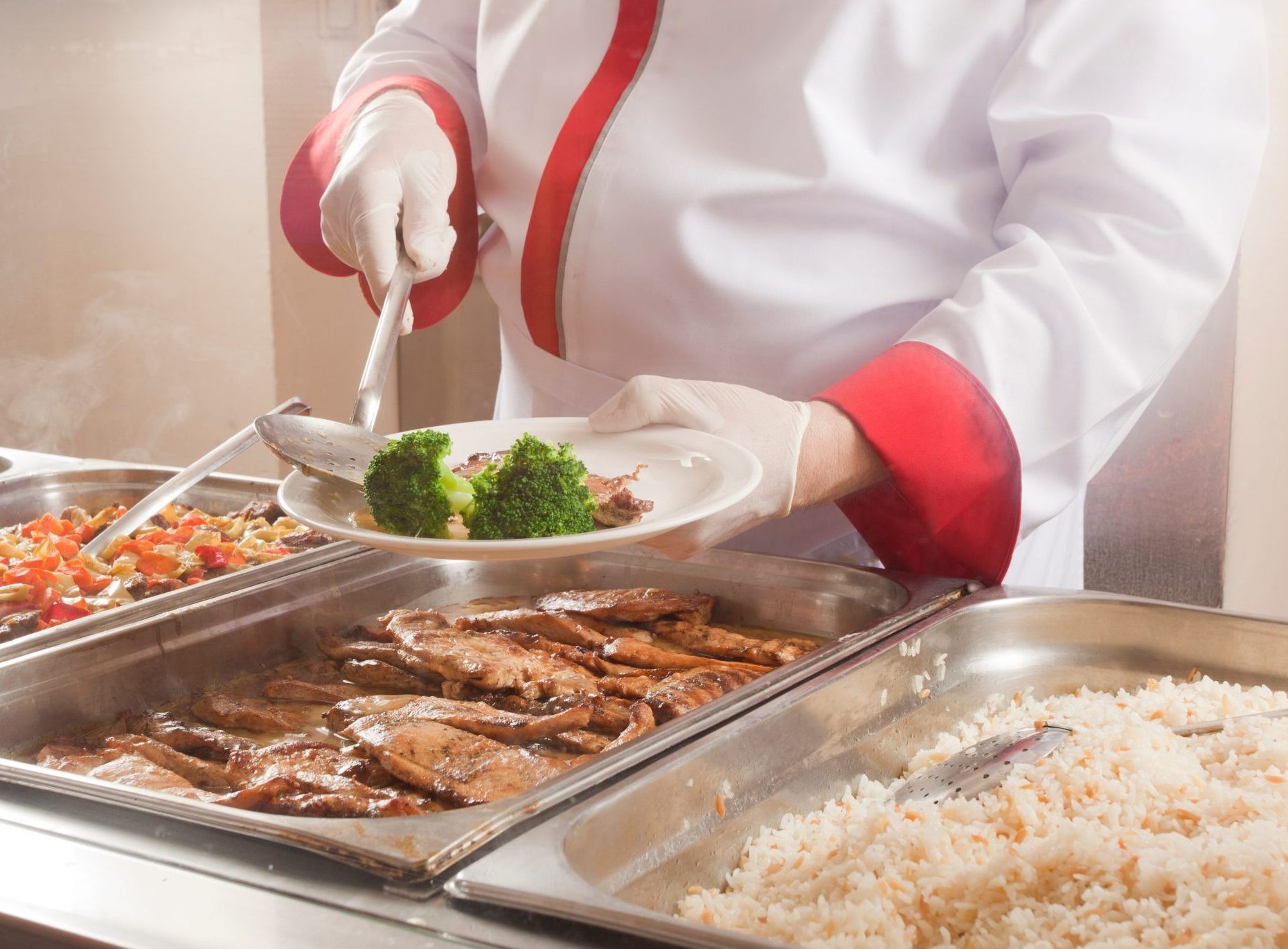
Local health department staff emphasize educating both food service operators and residents about the importance of proper handling of food served to the public.
- Health department staff help build capacity by educating food service operators on health regulations and safe food handling practices.
- Inspectors visit operators who prepare food for public consumption at least once each year to inspect their food establishments and take action against violations when needed. Inspectors also review construction plans of any new or remodeled food service establishments.
- The health department helps support food safety surveillance by monitoring food service operators and supply chains to identify food safety risks.
- Food service inspectors also assist the Epidemiology team with investigations into outbreaks of potential foodborne illnesses.
Learn More:
- VDH Food Safety in Virginia
- Tips for Safely Dining Out
- Are you a small operator looking for a pathway to sell food legally? Consider applying for a temporary food establishment permit. Temporary food establishments usually operate with more limited capabilities and for a short period of time. For as little as $40, the temporary permit process could offer a pathway to safely sell food to the public without the significant initial financial commitment associated with a full commercial kitchen.