
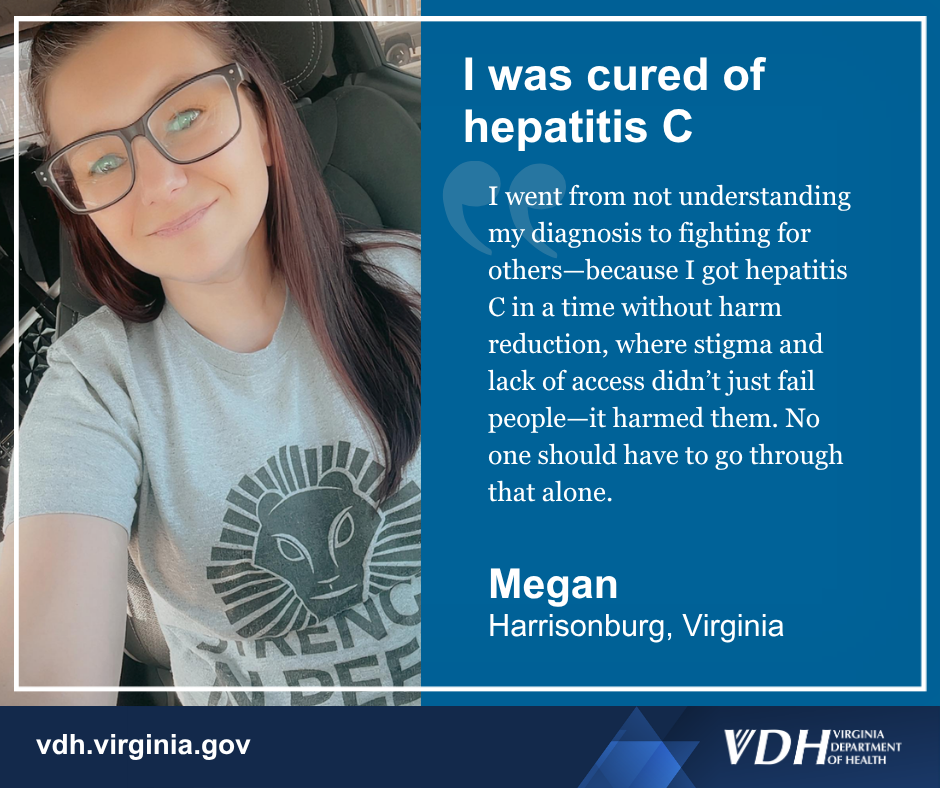
 My name is Megan, and I was cured of hepatitis C. Here is my story:
I am a person in long-term recovery, a Program Manager at Strength In Peers, and a passionate advocate for harm reduction and equitable healthcare. My work is deeply rooted in lived experience, shaped not only by substance use, but by surviving a system that too often withholds care from those who need it most.
As a teenager, I began using substances and was introduced to intravenous drug use at a time when harm reduction resources were not available in my community. Without access to syringe exchange programs or education on bloodborne illnesses, sharing syringes became normalized, paired with the false hope that cleaning them with bleach would be enough to keep me safe.
In 2017, while pregnant with my youngest son, I was diagnosed with hepatitis C. At the time, I was still actively using substances and had little understanding of what the diagnosis meant. What followed was not just a medical condition, but an emotional weight—fear, shame, and silence fueled by stigma and lack of education.
Even after entering recovery, my path to treatment was not immediate. I faced systemic barriers, including lack of Medicaid coverage for hepatitis C treatment at the time. Although I was ready for care, care was not ready for me. It took years before treatment became accessible. When I was finally able to receive it, the process was straightforward, the side effects were minimal, and I was cured within months—highlighting a painful truth: the greatest barrier was never the treatment itself, but access to it.
Throughout my journey, I encountered stigma within healthcare settings. I often felt judged, dismissed, and defined by my past rather than supported in my healing. Those experiences now fuel my advocacy.
Today, I use my voice to challenge the systems that once failed me. I advocate for expanded syringe exchange programs, increased education around hepatitis C, and the removal of unnecessary barriers to treatment. I work to ensure that people who use substances—whether in active use or recovery—are met with dignity, compassion, and respect.
My message is clear: people should not have to wait for worthiness to access healthcare. Everyone deserves the chance to be healthy. Everyone deserves to be treated without judgment. And everyone deserves the opportunity to heal—on their own timeline, and with the support they need.