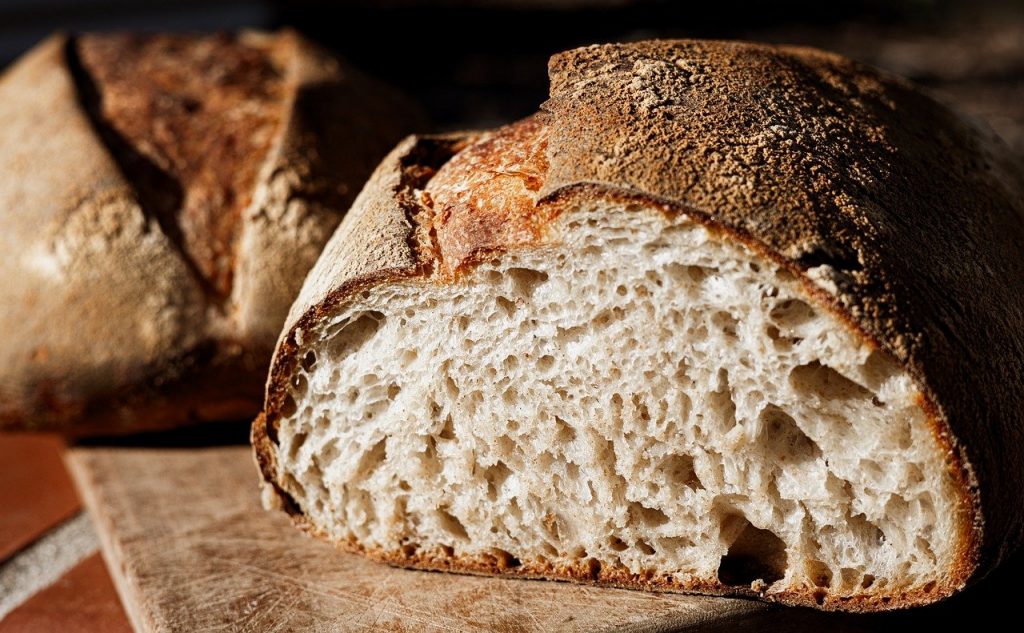
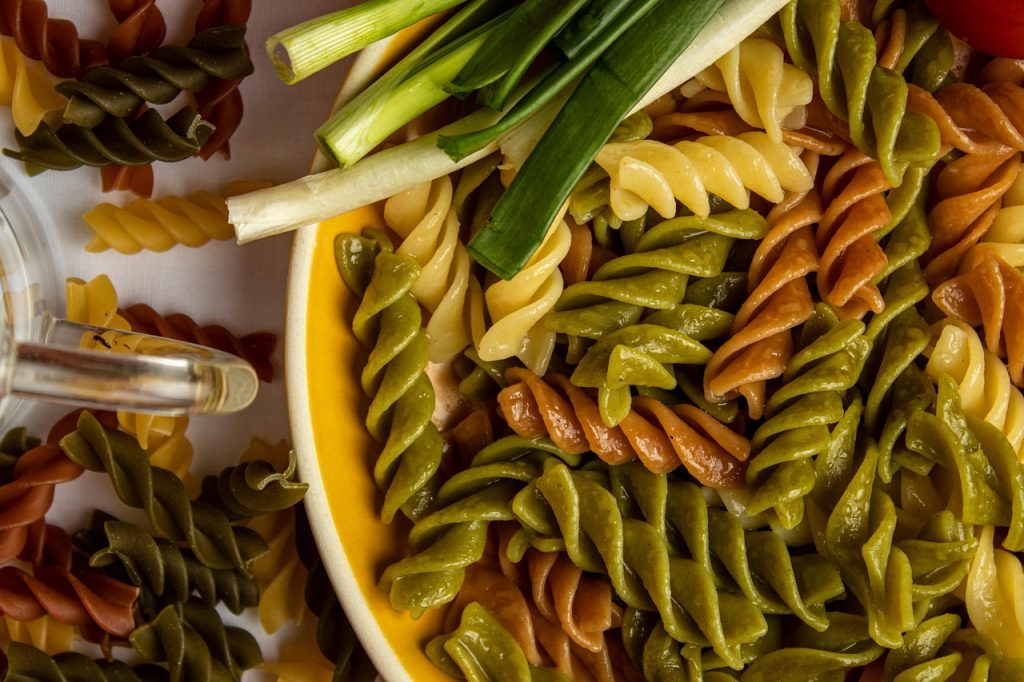
Not all persons who eat gluten-free do so because of a "lifestyle choice".
For many, exposure to gluten results in serious side effects and permanent health damage.
Celiac Disease: Celiac is an autoimmune disease triggered by gluten. Gluten exposure causes damage to the small intestine and long-term consequences of exposure can include malnutrition, osteoporosis, infertility, and certain cancers. Many celiac patients suffer gastrointestinal distress, pain, swelling, vitamin deficiencies, fatigue, mood changes and emotional symptoms, and rashes, blisters, or sores as a result of gluten exposure. There is no one standard set of symptoms; each celiac patient reacts differently to gluten exposure. The only 'treatment' for celiac disease is to completely avoid gluten; exposure to even small amounts can cause symptoms and intestinal damage.
Gluten Intolerance/ Sensitivities: Persons with gluten sensitivities may experience many of the same immediate symptoms as those with celiac; however, there is no damage to the small intestine as a result of gluten exposure.
Wheat Allergy: Wheat, a common source of gluten, is one of the nine major allergens. Persons allergic to wheat may experience swelling, rashes or hives, gastrointestinal symptoms, difficulty breathing, anaphylactic shock, and death. It is important to note that not all gluten-free foods are safe for those with wheat allergies, as gluten-removed wheat starch, generally considered safe for celiacs, will trigger an allergic reaction for those with wheat allergies.
How to reduce risks for diners with celiac, intolerances, and allergies (click to expand):
Gluten is found in:
Wheat; sources may be listed on a food ingredient label as wheat, wheatberries, durum, emmer, semolina, spelt, farina, farro, graham, khorasan, or einkorn.
Rye
Barley
Triticale (a hybrid of wheat and rye)
Malt, including malted barley flour, malted milk or milkshakes, malt extract, malt syrup, malt flavoring, and malt vinegar
Brewer’s Yeast
Oats do not inherently contain gluten, but are often contaminated during processing. Oats not clearly labeled "gluten-free" should be considered as having gluten.
Source: www.Celiac.Org
Sneaky sources of gluten include thickening agents, beer, many salad dressings, soups, and condiments including regular soy sauce (not tamari, which is gluten free)
- Separate gluten-containing foods from other foods.
- Wash hands and change gloves (and possibly aprons) as often as necessary, especially after touching bread, flour, or other gluten containing items.
- Wash, rinse, and sanitize food contact surfaces such as utensils and cutting boards, or use designated food contact surfaces.
- Avoid the use of the same cooking medium (e.g., oil or water) and surfaces (e.g., grill, stove, prep table) when preparing gluten-free meals. If shared mediums and cooking surfaces are used, be sure to communicate this to the patrons.
- Discard and re-make a meal when gluten is introduced to the meal (do not just 'remove' the gluten-containing ingredient, even if it was just a piece of bread on the side or top of the dish).
- Label carryout containers to identify which container has a dish modified to be gluten-free.
Additional resources on cross-contact prevention can be found on the main VDH food allergy page.
For more resources to help with food employee staff training, see the National Celiac Association.
Additional resources on cross-contact prevention can be found on the main VDH food allergy page.
If in doubt, don't represent a food as gluten-free if you aren't sure.
Communicate honestly with all patrons who inquire about gluten about the relative risks of gluten exposure for a given food item. Patrons who avoid gluten are often extremely appreciative of these communication efforts, even when they find out they can't eat an item they were interested in. Persons with gluten sensitivities (but not celiac) may be able to consume foods with minimal cross-contact as long as foods don't include gluten-containing ingredients. Each patron is different, so don't assume.
Examples of various pieces of information that are helpful to patrons placing an order include:
"This food doesn't contain any gluten that we are aware of; however, it has a seasoning mix we don't have an ingredient list for, so we cannot guarantee it doesn't have gluten."
"We know there are no gluten ingredients in this food item, but it is fried in a deep fryer where our breaded items are fried/ baked in an oven where our wheat flour pizzas are baked, so there is a risk of cross-contact."
"We will wipe down our grill before toasting your gluten-free sandwich, but it is the same surface as we use for our regular bread sandwiches."
"We have a dedicated gluten-free area in our kitchen so there should be little to no risk of cross contact; our chef even changes their apron to make sure flour from his other prep work doesn't contact your food."
Discuss symptoms and medical diagnoses with your physician/ medical practitioner. This website is for informational purposes only and is not intended to diagnose any disease or provide treatment advice.