Tips to Prevent Accidental Poisoning

National Poison Prevention Week is March 15-21

Poisonings can happen to anyone, at any age. Everyday items, like medications, cleaning products, cosmetics, and even certain plants, can be harmful if used incorrectly or accessed by children or pets. During National Poison Prevention Week, the Local Health District highlights steps Virginians can take to stay safe.

Tips to Prevent Poisoning

The Norfolk Health District shares simple steps families and caregivers can take to reduce injuries and save lives:

  • Keep all medicines in their original containers with labels intact
  • Store medicines, chemicals, and household cleaners in locked cabinets or out of children’s reach
  • Install and maintain a working carbon monoxide detector
  • Follow all label instructions when using cleaning products, pesticides, or chemicals

Fortunately, if a poison emergency happens, help is always available. Just call 800-222-1222.

Poison Help in Virginia

Virginia is served by two poison control centers that operate 24 hours a day, seven days a week. The Virginia Poison Center serves central and eastern Virginia. The Blue Ridge Poison Center services northern and western Virginia.

Calls are answered by specially trained registered nurses who can assess the situation and provide first-aid instructions. When needed, callers are referred to the nearest health care facility equipped to manage poison emergencies.

Of the 30,916 cases, the Virginia Poison Center handled in 2025, 78% were unintentional exposures. Children, ages five years old and younger, account for the largest percentage of exposures. Analgesics were the number one substance reported followed by household cleaners, cardiovascular drugs, cosmetic/personal care products, and antihistamines.

When to Call Poison Help

Virginians are urged to call 1‑800‑222‑1222 right away if someone may have:

  • Swallowed something harmful
  • Gotten a dangerous substance on their skin or in their eyes
  • Breathed in a toxic fume or gas
  • Overdosed on any substance
  • Been bitten or stung by a snake, spider, or other venomous creature

Poison Help is only a phone call away. Calling Poison Help is free and confidential. You do not need to wait for symptoms to appear.
 

March is National Nutrition Month in Virginia

Healthy Choices Can Build a Healthier Community

One in four people are obese in the United States. In Virginia, it’s closer to one in three (32%). 2024, approximately 32% of Virginia adults were classified as obese. March is National Nutrition Month, and the VDH wants to remind you that nutrition plays a crucial role in your overall health and well-being. According to the Centers for Disease Control (CDC), only about 12% of adults reported eating the recommended 5 or more servings of fruits and vegetables per day.

Eating healthier can change your health outcomes. Local Health District has implemented a variety of programs to address nutrition and food security across the state. Local Health District offers programs, such as the Women, Infants, and Children (WIC) program, to provide access to nutritious foods, nutrition education, and health services to thousands of Virginians each year.

The Norfolk Health District wants you to consider these five tips for proper daily nutrition:

  • Eat a Variety of Foods: Include a mix of fruits, vegetables, whole grains, lean proteins, and healthy fats in your daily meals to ensure a broad spectrum of nutrients.
  • Choose Whole Grains Over Refined Grains: Whole grains (like brown rice, quinoa, and whole wheat bread) provide more fiber, vitamins, and minerals than refined grains.
  • Limit Added Sugars and Salt: Reduce intake of sugar-sweetened beverages, desserts, and salty snacks, and check nutrition labels for hidden sugars and sodium.
  • Stay Hydrated: Drink plenty of water throughout the day, aiming for at least 6–8 cups unless your healthcare provider directs otherwise.
  • Practice Portion Control and Mindful Eating: Be aware of portion sizes, eat slowly, and listen to your body’s hunger and fullness cues to avoid overeating.

Throughout March, VDH Norfolk encourages you to take this opportunity to learn more about nutrition, explore local resources, and adopt healthier eating habits.

  • Find an accountability partner to keep you on track.
  • Start with small practices and build your plan of healthier habits.
  • Try new, healthier practices at your favorite restaurant and be mindful of the decisions you make to stay on track.

Visit www.vdh.virginia.gov/healthy-communities/healthy-food-environments/ for nutrition resources.

Plan Ahead for Spring Severe Weather 

Spring storms can bring a variety of severe weather hazards including tornadoes, thunderstorms with lightning and flooding. Local Health District offers tips to keep you safe during severe weather events. 

Tornadoes 

Tornadoes can form with little or no warning and bring winds more than 200 miles per hour. 

If you are indoors: 

  • Go to a basement or storm shelter. 
  • If you do not have a basement, choose an interior room or hallway on the lowest floor, away from windows. 
  • Do not stay in a mobile home. 
  • Remain sheltered until you are sure the storm has passed. 

If you are outdoors: 

  • Seek shelter in a sturdy building immediately. 
  • If driving, go to the nearest safe structure if possible. 
  • If no shelter is available, lie in a low area away from trees and objects that could become airborne. 
  • Do not shelter under bridges or overpasses. 

Thunderstorms and Lightning 

Thunderstorms can form quickly, bringing strong winds and dangerous lightning. Lightning can strike up to 10 miles from a storm. 

To stay safe: 

  • Trim trees and secure loose outdoor items before storms. 
  • Go indoors at the first sign of thunder or lightning, and bring pets inside. 
  • Stay away from windows. 
  • Avoid using electronics or anything plugged into an outlet. 
  • Stay out of showers and away from plumbing. 
  • Remain indoors for at least 30 minutes after the last thunder. 

If you cannot get indoors, avoid water, tall trees, and metal objects such as fences or bleachers. If someone is struck by lightning, call 911 immediately. 

Flooding  

Floods are the most common disaster in the United States. Floodwater can contain debris, chemicals, and other hazards. 

Key safety reminders: 

  • Never walk, swim, or drive through floodwater. Turn Around, Don’t Drown! 
  • Six inches of moving water can knock you down; one foot can sweep away a vehicle. 
  • Avoid bridges over fastmoving water. 

Severe Weather Awareness Week is an opportunity for you to review safety plans, refresh emergency kits, and learn how to stay informed before storms strike. Severe weather can develop quickly. Taking simple steps now can help protect you and your family. 

  • Have a plan. Talk with your family about where to go and what to do if severe weather occurs. Make sure everyone knows the safest places in your home and how to communicate during an emergency. You can create a family emergency plan online. 
  • Build an emergency kit. A disaster supplies kit includes the basic items your household may need if you must shelter in place for several days. This may include water, nonperishable food, flashlights, batteries, medications, and important documents. Guidance on what to include and where to store your kit is available at ready.gov.
  • Stay informed. Reliable alerts save lives. Use a weather radio, the FEMA app, or local alert systems to receive timely warnings. Check the settings on your mobile device to ensure you can receive Wireless Emergency Alerts (WEAs). Make sure you understand the difference between watches and warnings so you know when to take action. 

Love Safely This Valentine’s Day

Get Free Condoms from the Local Health District 

Free condoms are available at the Local Health District and through community partner organizations. 

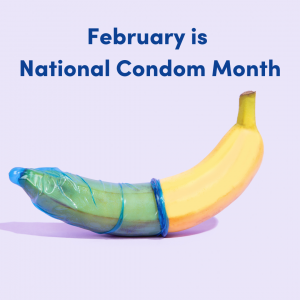
It’s no coincidence that Valentine’s Day is also National Condom Day! One of the simplest ways to show you care is to protect the health of those you love. The Local Health District provides free condoms to support safer and healthier sexual relationships. 

Valentine’s Day is often associated with flowers, chocolates, and dinner dates. Local Health District reminds you that protection should also be part of the plan.  

Sexually Transmitted Infections (STIs) remain a serious public health concern in Virginia.  More than 54,000 STIs were reported in Virginia in 2024.  The increase in syphilis diagnoses among women is of particular concern.  The rate of newly diagnosed syphilis cases among women increased 144% from 2020 to 2024.  

Cases of congenital syphilis, when a pregnant person passes syphilis to a baby during pregnancy or childbirth, increased for the fifth straight year in Virginia. In 2024, 35 cases of congenital syphilis were reported among newly born infants, the highest case count observed in more than 30 years in Virginia. 

Because many STIs, including syphilis, often show no symptoms, you can spread them without knowing it. Using condoms consistently and correctly is an effective way to reduce the risk of STIs and unintended pregnancy. 

The Virginia Department of Health distributes condoms statewide through its Condom Distribution Program, which is designed to reduce HIV and other STIs through free access to protection. 

Free condoms are available at the Norfolk Health Department and through community partner organizations. 

Organizations interested in becoming distribution sites should contact the HIV-STD Hotline Supervisor at HIV-stdhotline@vdh.virginia.gov. Participating organizations may order up to 100,000 condoms per year. 

The Norfolk Health Department can also help you decide if medicine to prevent HIV (PrEP) or STIs (DoxyPEP) is right for you. 

Make this Valentine’s Day a night to remember, not a diagnosis you want to forget. 


February is National Children’s Dental Health Month 

Local Health District Encourages Healthy Dental Habits Among Children  

The Norfolk Health Department reminds parents, guardians and caregivers to begin teaching young children about the importance of good dental health habits.  
Children can get a jump start on a lifetime of good oral health by focusing on maintaining healthy teeth and gums. Positive strategies include incorporating oral health hygiene routines at home along with scheduling regular dental visits. Good oral health should begin as early as infancy and young children should ideally see a dentist by their first birthday. 

Cavities are the most common chronic childhood disease in the United States. More than half of children aged six to eight years have had a cavity in at least one of their baby teeth.  

National Children’s Dental Health Month is observed during February each year. The American Dental Association designated the national health observance to promote the benefits of good oral health.   

Adults can assist children with developing healthy habits in the following ways. 

  • Brush their teeth twice a day with fluoride toothpaste. 
  • Help your child brush their teeth until they have good brushing skills use a pea-sized amount of toothpaste and always spit it out rather than swallow. 
  • Ask your child’s dentist to apply dental sealants when appropriate. Applying dental sealants to the back teeth prevents 80% of cavities.  
  • Drinking fluoridated tap water when possible. 

Learn more about oral health for children at www.vdh.virginia.gov/oral-health.

Save Lives with Radon Testing

Radon Awareness Week is January 26-30

The Norfolk Health District encourages community members to protect their health by testing their homes for radon. The Virginia Department of Health has a limited supply of short-term, do-it-yourself radon test kits that can be shipped directly to Virginia residents. Test kits are free with $4 shipping fee. They can be ordered at www.vdhradon.org.

Radon is a naturally occurring radioactive gas that results from the decay of Uranium which is found in certain types of soil and bedrock. It is not visible, and it has no smell. Radon can only be detected by testing.

Radon Awareness Week is January 26-30. January is one of the best times to test your home. Radon levels are highest during the winter when windows and doors are kept closed.

The United States Environmental Protection Agency (USEPA) estimates that as many as 21,000 lung cancer deaths per year in the United States may be associated with exposure to radon. Radon is considered second only to smoking as the leading cause of lung cancer.

There is no safe level of radon. Reducing radon inside your home will always help reduce your risk of lung cancer.

Additional steps that you can take to help lower radon levels in your home include.

  • Seal cracks in floors and walls with plaster, caulk, or other similar materials.
  • Cover the earth floor in crawl spaces with a high-density plastic sheet. A vent pipe and fan can be used to blow the radon from under the sheet and vent it outdoors.
  • Increase air flow in your house by opening windows and using fans and vents to circulate air.
  • Test radon levels again after you’ve made any of these changes to ensure these actions reduced the radon levels.

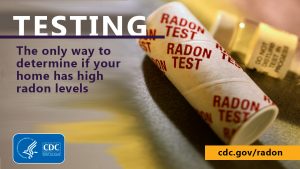
Testing your home is the only way to know for sure if an indoor radon problem exists. For more details about radon testing and mitigation, contact your Local Heath District at [contact info] or visit www.vdh.virginia.gov/radiological-health/indoor-radon-program/

January Marks Cervical Health Awareness Month

Two Ways You Can Prevent Cervical Cancer

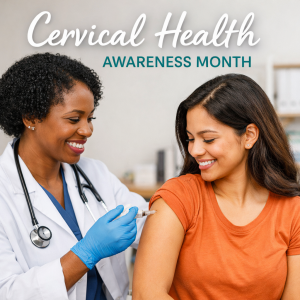
Cervical cancer is highly preventable, yet thousands of women die from it each year in the United States. The Norfolk Health District encourages you to take two simple steps to prevent cervical cancer. Vaccination and screenings help save lives.

Human Papillomavirus (HPV) Vaccination

The HPV vaccine protects against the HPV types that cause 90% of all cervical cancer. It also protects against five other cancers. The HPV vaccine works best before exposure to the virus and is recommended for routine vaccination at ages 11 or 12 years of age.

Vaccination can also start as early as nine years old. People aged 26 years and younger who are not fully vaccinated can still get the vaccine. Some adults age 27 and older may choose to get vaccinated and should talk to a healthcare provider. Please talk to a healthcare provider about the HPV vaccine and its cancer prevention benefits.

Cervical Cancer Screening

The HPV test and the Pap test can help prevent cervical cancer or find it early. The HPV test detects high risk types of human papillomavirus, the cause of most cervical cancers. The Pap test (or Pap smear) looks for abnormal cervical cells.

When to get screened depends on a woman’s age:

  • For 21- to 29-years-olds, a Pap test only is recommended every three years.
  • For 30- to 65-year-olds you have three testing options that range from three to five years. Talk to your healthcare provider about the right option for you:
    • An HPV test only, every five years.
    • Co-testing with an HPV test and a Pap test, every five years.
    • A Pap test only, every three years.
  • For women over 65, please contact your healthcare provider to determine what testing schedule is best for you.

The Norfolk Health District offers HPV vaccination. Contact the clinic for an appointment.

The FDA has also approved two self-swab tests for use in a doctor’s office, as well as an at home test called the Teal Wand. These tests may make screenings more accessible, especially for women in rural and marginalized areas. Talk to your healthcare provider to see if a self-swab test is a good option for you.

If cost is an issue, VDH can help.

Taking these preventative steps now isn’t just smart, it could save your life. Contact the Norfolk Health District at 757-683-2735 for more information about cervical cancer, the HPV vaccine or cervical cancer screenings.

Tips for Safe, Healthy Holiday Travel

Plan Ahead for a Healthy and Safe Holiday

As you and your family prepare to travel during the holiday season, the VDH reminds you to take important steps now to keep you and your loved ones safe and healthy. Holiday travel and festive gatherings can increase the risk of spreading infectious diseases and encountering unexpected emergencies.

Tips to healthy and safe holiday travel:

  • Check Immunization Status: To check your immunization status, call your healthcare provider or request records through the VDH Record Request Portal. Make sure you are up-to-date on all of your recommended vaccines. Measles and other infectious diseases can spread quickly in a large group of unvaccinated people. Bring a copy of your official immunization records with you when you travel.
  • Prevent Seasonal Illnesses: Protect yourself and your loved ones from respiratory viruses like COVID-19, flu, and RSV by doing three little things: washing your hands, covering your cough and getting vaccinated. Everyone aged six months and older should get a flu shot every year, with a few exceptions. Talk to a healthcare provider about which vaccines are recommended for you and your family.
  • Monitor Travel Advisories: Check current Centers for Disease Control and Prevention and Department of State travel advisories before departure.
  • Pack Smart: Pack enough prescription medications for the entire trip, plus extra in case of delays. Keep medications in their original containers and carry them in your hand luggage. Pack a travel health kit.
  • Stay Home if Sick: Postpone your travel and stay home when you are sick. Consider purchasing trip cancellation insurance to cover expenses if you must change your plans due to illness.

VDH wishes everyone a safe, healthy, and festive holiday season.

New Year, New You: VDH Encourages a New, Healthier You in 2026

Ring in the New Year and focus on becoming healthier. VDH Norfolk wants to help you keep your New Year’s resolutions by offering simple, sustainable habits for a year of health and wellness.
Here are some tips to help you be healthier in 2026:

  • Get Active: Try to move more and sit less. Take the stairs when you can. Find fun ways to be active, like walking or doing yoga. Aim for about 150 minutes of exercise each week.
  • Eat Well: Eat more foods like fruits, vegetables, whole grains, and lean meats. Drink lots of water. Eliminate sugar and junk food/limit alcoholic drinks.
  • Manage Stress: Get 7 to 9 hours of sleep each night. Try mindfulness or meditation. Spend time with friends and family, manage your stress, and maybe write in a journal.
  • Schedule Screenings: Visit your doctor and dentist for regular checkups and screenings. Drink enough water and wash your hands often to stay healthy.
  • Quit Smoking: Now is a good time to quit bad habits. Smoking and vaping can hurt your body, so it’s best to stop. Quit Now Virginia is a free service that helps people quit smoking, using tobacco, or vaping.

Keep working on your goals to build healthy habits this year. If things don’t always go as planned, be kind to yourself and keep trying. Do things that make you happy and take care of yourself.

Let’s make health a shared goal!

Winter Weather Advisory

Reminder: Winter weather can be dangerous and unpredictable. Snow, ice and freezing conditions can lead to unexpected injuries and accidents. These conditions can increase the risk of hazardous travel, power outages, and health impacts, especially for older adults, children, and people with chronic health problems.

By preparing ahead of time you can avoid emergencies, protect your health and keep your loved ones safe. Follow these tips to be better prepared for the cold weather season.

  • Have an emergency kit with supplies such flashlights, batteries, blankets, food, and water.
  • Winterize your home by insulating walls and attics, caulking and weather-stripping doors and windows.
  • Check batteries in smoke detectors and carbon monoxide monitors.
  • Prepare your vehicle with emergency supplies.
  • Use space heaters safely. Keep heat sources at least three feet away from drapes, furniture, bedding, or other flammable materials. Never cover your space heater.

Preparation before dangerous winter weather arrives is critical. The best time to prepare for severe winter weather is now, before temperatures drop significantly and staying safe and warm becomes a challenge. Take these precautions to lower your risk of illness.

  • Wear cold appropriate clothing like gloves, hats, scarves and snow boots.
  • Be aware of the wind chill factor.
  • Remove any wet clothing immediately.
  • Limit your time outdoors.

If you plan to travel, the Virginia Department of Transportation (VDOT) provides travel advisories on current road conditions and weather forecasts. Travelers can easily access weather information by dialing 511, 24 hours a day, seven days a week or via the website at 511.vdot.virginia.gov.