
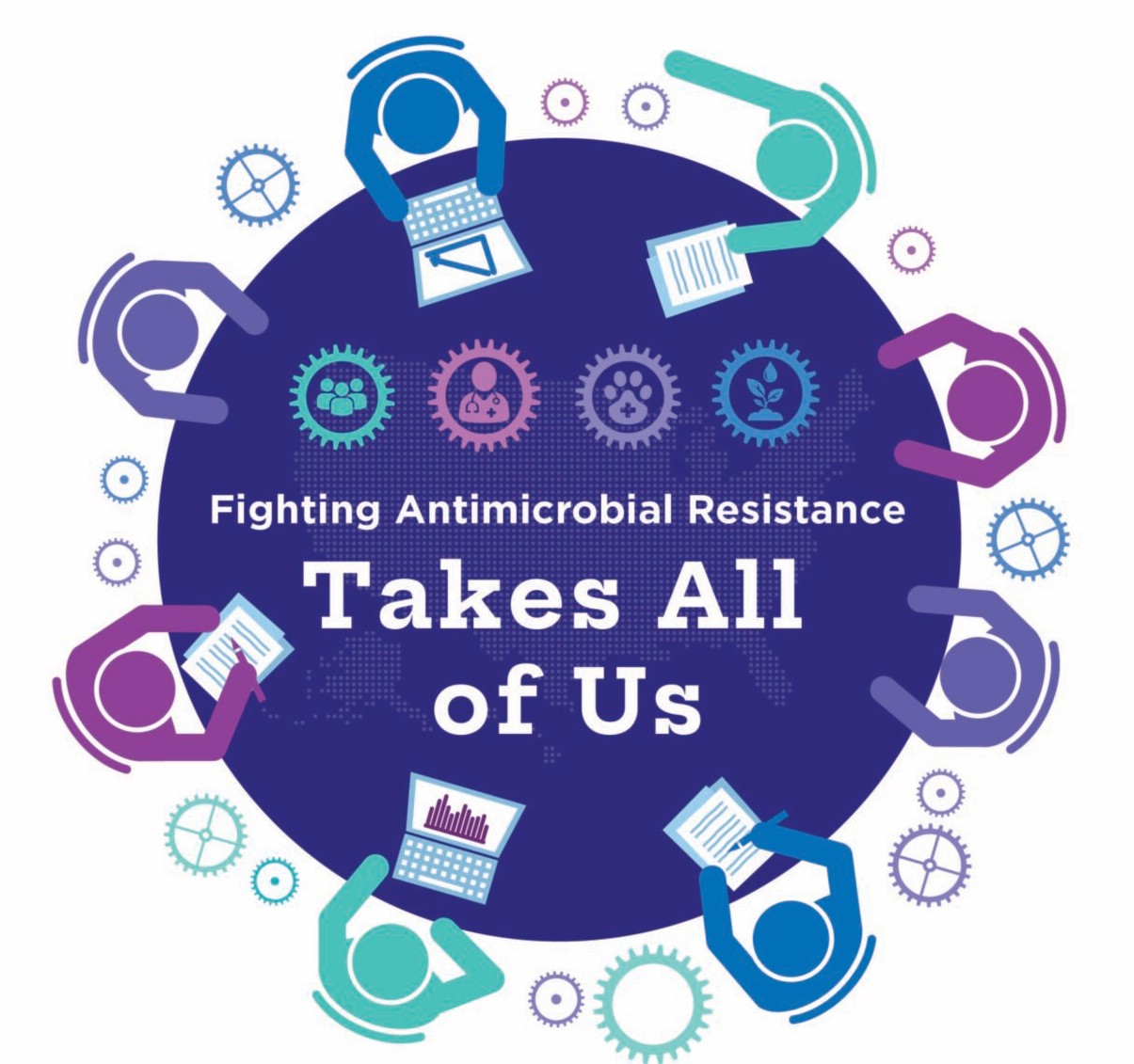
Antibiotic Mythbusters! Can You Set the Record Straight?
Some antibiotic myths are easy to spot. Others contain just enough truth to be convincing. With the right facts and a little curiosity, you can help others make informed decisions about antibiotic use.
Spot the Myth! ‘Every positive urine culture needs to be treated with antibiotics.’
- Bust the Myth! Diagnosis of a UTI requires both finding bacteria in a urine test and the presence of specific symptoms. Having both is important, because bacteria can live naturally in the bladder without causing any pain or symptoms.
- Find the Facts:
- Suspect a UTI? Know When to Use Antibiotics from the Fairfax County Health Department is a patient-friendly guide to understanding when antibiotics are needed.
- Treating Asymptomatic Bacteriuria: No Benefit, Possible Harm from the Fairfax County Health Department is a guide for healthcare providers on when to treat bacteria in the urine.
Spot the Myth! “I don’t prescribe antibiotics, so antibiotic resistance isn’t my problem.”
- Bust the Myth! Drug-resistant germs don’t stay in one place! They can spread between patients, residents, staff, and healthcare settings. Everyone can help stop their spread. Hand hygiene, cleaning, disinfection, and proper personal protective equipment (PPE) use all play a part.
- Find the Facts:
- How Drug-resistant Germs Spread from the CDC explains how resistant germs spread in healthcare settings and the community.
- Disinfecting Done Right from CDC Project Firstline is a micro-learn on proper disinfectant use and contact time.
How to Bust Myths in Your Workplace
- Start a myth-busting huddle. Share a myth and ask staff, “What would you say?” Practice friendly responses and use trusted resources to explore the facts together.
- Make the facts easy to find. Share the patient handout in waiting areas or add the CDC infographic to staff newsletters and breakroom boards.
Target Audience: Essential & Foundational IPC Education Level

Ready Before the Rush: Respiratory Disease Season Resources
Respiratory disease season is on the way. October is a great time to get prevention messages in front of staff, patients, and residents before respiratory illness activity picks up.
Check out the Guidance, Recommendations, & Regulatory Updates section for new respiratory disease season updates. Learn what’s new for sick or exposed healthcare workers and how to prevent the spread of respiratory diseases at your workplace.
Then, grab a few ready-to-use training tools to help your team put prevention into action.
What to Expect:
- VDH Respiratory Disease Resources: Find flyers, social media graphics, and healthy habits tools. You’ll also find vaccine information, flu materials, and more.
- CDC Respiratory Illness Season Toolkit: Find posters, handouts, social media graphics, and videos. Use them to help your team prepare for respiratory disease season.
- National Foundation for Infectious Diseases (NFID) Respiratory Disease Resources: Mix up your flu education with 30-second videos and graphics. You’ll also find the “Wild to Mild” campaign and an antiviral infographic.
Put it into Action:
- Start early. Add a reminder to your next staff huddle. Post one in a waiting area.
- Keep it quick. Show a short video at a meeting.
- Mix it up. Share a new message each week. Cover vaccines, healthy habits, symptoms, or treatment.
- Know what’s going around. Check Virginia respiratory disease data. Share key updates with your team.
Start now and keep it simple. You’ll have tools ready when you need them.
Target Audience: Foundational & Intermediate IPC Education Level

Your Infection Prevention Week Game Plan Starts Here
International Infection Prevention Week (IIPW) is October 19–25! It is a great time to celebrate the people who make infection prevention happen. Get your team in the game with activities that build skills, raise awareness, and keep others safe.
What to Expect:
International Infection Prevention Week: Start with the official IIPW site. Be on the lookout for resources for this year’s theme, Generations of Infection Prevention: PAST. PRESENT. PROTECTED.
VIPTA Resource Library: Build your game plan with resources for each daily focus. Monday covers sterile processing, TB, and outbreaks. Tuesday focuses on hand hygiene. Wednesday covers vaccines and antibiotics. Thursday focuses on environment of care. Finish the week on Friday with technology.
VDH Infection Prevention Training Power Tools: Add some fun with ready-to-use puzzles, coloring pages, games, and step-by-step training guides.
How to use it:
- Make a daily play: Pick one resource for each day. Send it to unit leaders with a few discussion points or trivia questions to share with staff. (Hack: A Project Firstline Micro-Learn is ready to go if you don’t want to make something new.)
- Set up a game station: Put puzzles, coloring pages, or trivia in a break room or staff area. Add a prize drawing to boost play.
- Cheer on your team: Use Cheers for Peers certificates to thank staff for great infection prevention work. Or, create an IIPW Kudos Wall where staff can leave notes or shout outs to celebrate each other.
Target Audience: Foundational & Intermediate IPC Education Level
Turning Explosive Headlines into Practical Prevention
Cyclosporiasis has been making headlines lately. We can use that attention to spark interest in infection prevention. There is no current evidence that Virginia is experiencing an outbreak, but the recent “explosive” headlines are a good chance to remind healthcare staff about foundational infection prevention best practices.
What to Expect:
Virginia Monthly Morbidity Surveillance Report: See how cyclosporiasis and other reportable diseases compare with past years and seasonal trends in Virginia.
CDC Health Alert Network (HAN) – Health Advisory on Cyclosporiasis: The HAN shares updates about urgent public health events. Sign up for HAN alerts to stay up to date on the latest guidance and infection prevention recommendations.
Project Firstline’s How to Read a Disinfectant Label: Learn how to choose and use disinfectants the right way. Follow the label to make sure your cleaning and disinfection work, no matter which germ is making the headlines.
How to use it:
- Make local data meaningful. Share the Surveillance Report at your infection prevention committee meeting. Compare current disease activity with the usual baseline. Talk about what any changes could mean for your facility.
- Practice before it happens. Use CDC Health Alert Network (HAN) alerts as discussion starters. Ask, “What would we do if this happened here?” Review your plans for reporting, isolation, testing, and communication.
- Host a disinfectant scavenger hunt. Place several disinfectant products around the room. Challenge staff to use the Project Firstline “How to Read a Disinfectant Label” infographic to answer questions from each label. The first team to finish with the most correct answers wins.
Target Audience: Foundational & Intermediate IPC Education Level
Wrap It Up: Infection Prevention Wound Care Resources
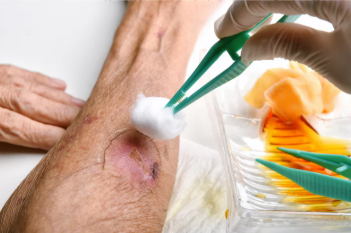
We’ve done the wrapping and you get to open the educational package! Whether you’re refreshing staff education, strengthening your wound care program, or looking for practical teaching tools, these free resources are ready to help you put infection prevention into practice.
What to Expect:
Wound Care Educational Handout: A colorful, easy-to-follow visual resource that highlights key infection prevention practices before, during, and after wound care.
TRAIN Virginia Wound Care Series: Start with “VDH: Wound Care Infection Risks and Your Infection Prevention Program” (Course ID 1127475) and continue through the full series exploring infection prevention principles, common infection transmission risks, and evidence-based practices through interactive scenarios and knowledge checks.
VDH Wound Care Infection Prevention and Control Guidance & Observation Tool: A ready-to-use observation checklist that you can use for audits, competency validation, and helps standardize wound care practices across your facility.
How to use it:
- Observe before you educate. Use the observation tool to identify your team’s strengths and opportunities, then tailor education to the practices you actually see instead of guessing where knowledge gaps exist.
- Make observations less intimidating. Use the checklist as a coaching tool rather than an audit, creating opportunities for real-time feedback and discussion.
- Who else should be trained? Anyone who assists during wound care, including nursing assistants and other healthcare personnel who provide an extra set of hands, should understand infection prevention practices that help protect the patient.
Target Audience: Foundational & Intermediate IPC Education Level
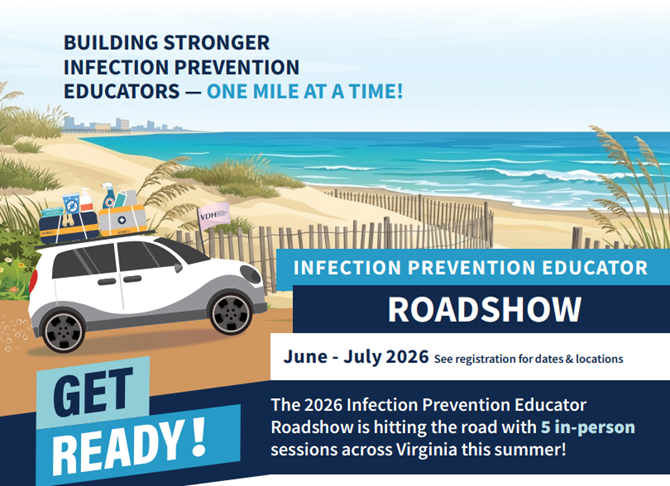
Ready, Set, Educate! Infection Prevention Educator Roadshow 2026
Infection prevention education keeps healthcare staff on their toes. From emerging diseases to new multidrug-resistant organism (MDRO) challenges and changing guidance, training needs can shift fast. The 2026 Infection Prevention Educator Roadshow is here to help you stay ready with hands-on tools, fresh ideas, and practical strategies built for today’s ever-changing healthcare environment.
More About the Roadshow
- Leave with practical educator supplies, resources, and fresh ideas to strengthen your training toolkit
- Connect with fellow infection preventionists, designated infection control officers, and health educators from across Virginia
- Explore real-world strategies that make infection prevention education more interactive, memorable, and effective
- Gain confidence teaching in fast-changing healthcare environments where flexibility matters more than ever
For questions about this training resource, contact hai@vdh.virginia.gov.
Target Audience: Foundational & Intermediate IPC Education Level