
High cholesterol is a major contributor to cardiovascular disease, including heart attacks and strokes.
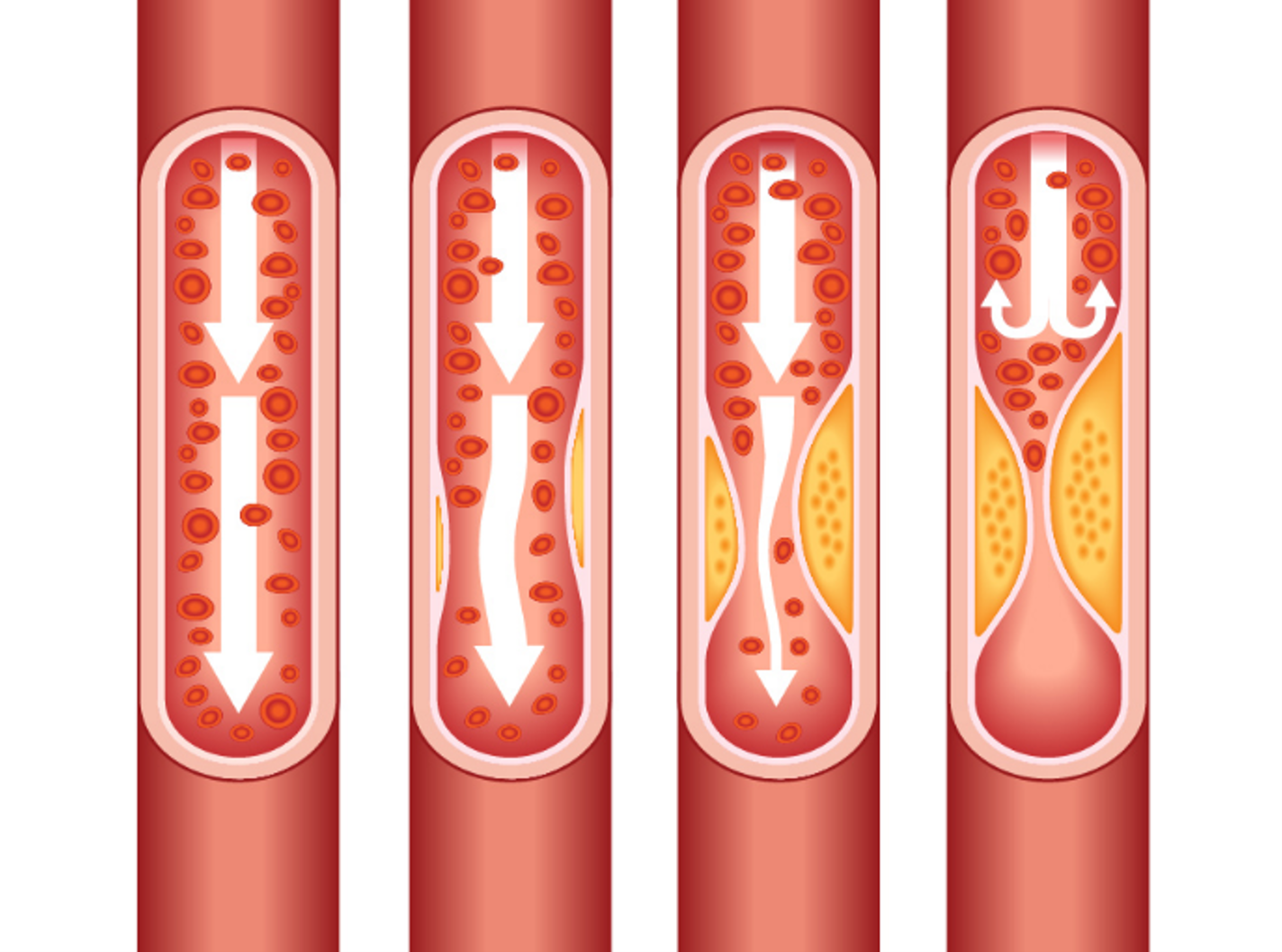
Excess cholesterol in the blood causes plaque build-up in the artery walls. This leads to narrowing of the blood vessels and restriction of blood flow. Eventually, clots can form, entirely cutting off the blood supply and leading to tissue damage and death. If this happens in the heart, it causes a heart attack. If it happens in the brain, it causes a stroke.
The risk of cardiovascular disease is related to the lifetime exposure to high cholesterol levels. The risk is related to both the degree of cholesterol elevation (how high the cholesterol levels are) and the duration of cholesterol elevation (how long the cholesterol levels are elevated).
This makes early diagnosis and effective management of high cholesterol very important. Knowing and controlling your cholesterol levels can significantly reduce your risk of heart disease and strokes.
What is cholesterol?
Cholesterol is a waxy, fat-like substance that is important for your body to function. It is a component of cell membranes, helps your liver make a substance called bile which is important for digestion, and is a building block for multiple hormones. However, too much cholesterol increases the risk of cardiovascular disease.
What are the different types of cholesterol measured in the blood?
The typical blood test for cholesterol is called a lipid panel or lipid profile, and includes measurements of the low density lipoprotein (LDL) cholesterol, high density lipoprotein (HDL) cholesterol, triglycerides (TG), and total cholesterol.
- LDL Cholesterol. Low density lipoprotein (LDL) cholesterol is sometimes referred to as the “bad” cholesterol. It transports cholesterol from the liver to cells throughout the body. If there is too much LDL cholesterol, cholesterol can build up in artery walls, creating plaque that can restrict blood flow and lead to heart attacks and strokes. For LDL cholesterol, lower levels are better.
- HDL Cholesterol. High density lipoprotein (HDL) cholesterol is sometimes referred to as the “good” cholesterol. It transports cholesterol from the body back to the liver for removal. For HDL cholesterol, higher levels are better.
- Triglycerides. Triglycerides are a storage form for excess energy that travels through blood and is stored in fat cells for later use. Triglyceride levels affect cholesterol levels and can increase cardiovascular risk. For triglycerides, lower levels are healthier.
- Total cholesterol. The total cholesterol value includes LDL, HDL, and a portion of the triglycerides.
While the lipid panel is the main blood test used for cholesterol screening and management, there are some other tests which your doctor may recommend. One of these, which is now recommended for everyone once in their lifetime, is a lipoprotein(a) test. Lipoprotein(a) is high in 1 out of 5 people and is associated with a 1.4- to 2-fold higher risk of cardiovascular disease.
What are the effects of the different components of the lipid panel on cardiovascular risk?
Higher LDL levels, lower HDL levels, and higher triglyceride levels are associated with increased cardiovascular risk.
LDL
HDL
TG
Risk of Heart Disease
Lower LDL levels, higher HDL levels, and lower triglyceride levels are associated with decreased cardiovascular risk.
LDL
HDL
TG
Risk of Heart Disease
What determines cholesterol levels?
There are two main contributors to cholesterol levels: genetics and diet.
- Genetics. Genetic variations in how the liver produces, packages, and removes cholesterol affect cholesterol levels. Because of this, high cholesterol can run in families.
- Diet. Foods that are high in saturated fat, including meat, full-fat dairy, tropical oils (coconut and palm), and many fried foods and commercial baked goods, increase cholesterol levels. Foods that are high in fiber, including vegetables, fruits, and whole grains, can help lower cholesterol levels.
Because of the genetic component of cholesterol levels, if possible, it can be helpful to talk to older relatives to find out if there is a family history of high cholesterol or early heart disease. However, genetic forms of high cholesterol can also be picked up with routine screening.
It is recommended that every child has their cholesterol checked between the ages of nine and eleven to diagnose genetic forms of high cholesterol early, and that screening start as early as age two if there is a family history of high cholesterol.
What is Familial Hypercholesterolemia (FH)?
Familial Hypercholesterolemia (FH) is a common form of genetic high cholesterol that causes high LDL cholesterol levels and results in heart attacks and strokes at younger ages. There are two forms of FH:
- Heterozygous FH. Heterozygous FH occurs when a person inherits the genetic trait from one of their parents. It is common, affecting about 1 out of every 300 people. It is associated with a 2- to 4-fold increase in heart disease overall and with heart disease that becomes symptomatic in young adulthood rather than old age.
- Homozygous FH. Homozygous FH is a severe form of hypercholesterolemia that occurs when a person inherits the genetic trait from both of their parents. It is fortunately quite rare, occurring in about 1 out of 300,000 people. People with homozygous FH have extremely high LDL cholesterol levels and develop cardiovascular disease at very young ages. Heart attacks have been seen in children as young as four years old! People with homozygous FH may also develop cholesterol deposits in their tendons, eyes, and skin.
Because the risk of cardiovascular disease is impacted by both the degree and duration of exposure to high cholesterol levels, it is very important for FH to be diagnosed and treated early in order to protect the heart. Unfortunately, it is estimated that 90% of people with heterozygous FH do not know that they have it and therefore are having ongoing damage to their blood vessels that could be prevented.
Screening for FH with a lipid panel is recommended for:
- All children at some point between the ages of nine and eleven years old.
- Children as young as two years old who have a family history of FH, high cholesterol, or early heart disease.
- All first degree relatives (parent, siblings, children) of people who have been diagnosed with FH.

When should cholesterol be checked?
For diagnosis of high cholesterol, a lipid panel is recommended:
- Between the ages of nine and eleven.
- At age 19.
- Every five years after the age of 19, with more frequent testing for people with borderline high levels or additional risk factors.
A lipoprotein(a) level is recommended once in a person’s lifetime. Because this recommendation just came out in 2026, most people of all ages have not yet had a lipoprotein(a) checked.
If someone is being treated for high cholesterol with medication, it is recommended that a lipid panel be checked:
- 4-12 weeks after a new medication is started or a medication dose has been changed.
- Every 6-12 months when on a stable medical regimen to make sure that optimal control is maintained.
What should my target LDL cholesterol level be?
Appropriate LDL cholesterol levels and treatment goals depend on a person’s risk for cardiovascular disease, so there is no universal answer to this question. Different people have different target levels, and target levels can change over the course of a lifetime. It is important to discuss your cardiovascular risk and recommended target levels with your health care provider.
For people who are considered to be at low to intermediate cardiovascular risk, a target LDL cholesterol level under 100 is recommended.
This category includes people who are estimated to have less than a 10% risk of developing cardiovascular disease in the next 10 years.
- Health care providers can estimate your 10- and 30-year cardiovascular risk using evidence-based risk calculation models, like the American Heart Association PREVENT Online Calculator. These models incorporate a number of clinical factors to estimate cardiovascular risk in adults between the ages of 30 and 79 who do not have known cardiovascular disease.
For people who are considered to be at high cardiovascular risk, a target LDL cholesterol level under 70 is recommended.
This category includes people with:
- An estimated greater than 10% risk of developing cardiovascular disease in the next 10 years.
- Familial hypercholesterolemia (FH).
- Diabetes and additional cardiovascular risk factors.
- A Coronary Artery Calcium score over 100. This score is determined by a special CT scan that measures calcium deposits in the arteries in the heart. Higher calcium levels are associated with higher risk of heart disease. Your doctor may order this test to better understand your risk of heart disease.
For people who are considered to be at very high cardiovascular risk, a target LDL cholesterol level under 55 is recommended.
This category includes people with an established history of cardiovascular disease who are at high risk for future heart attacks and strokes.
Preventing and Managing High Cholesterol
The key steps to managing high blood pressure are:
- Know your numbers.
- Make healthy lifestyle choices.
- Take medication as prescribed if needed.
Know Your Numbers
Checking your cholesterol with a blood test is the only way to know if it is too high. Every adult should have their cholesterol checked with a lipid panel at least every five years. People with high cholesterol should have their cholesterol levels checked at least once a year.
Make Healthy Lifestyle Choices
Healthy lifestyle steps that can help improve cholesterol levels include:
- Eat less saturated fat. Saturated fats increase the “bad” LDL cholesterol and increase the risk of heart attacks. Saturated fats are found in meat, full-fat dairy products, and tropical oils. Tropical oils, like coconut and palm oils, are solid at room temperature. They are found in many commercial baked goods and processed foods.
- Substitute unsaturated fats for saturated fats. Unsaturated fats lower LDL cholesterol and triglyceride levels and decrease the risk of heart disease. Unsaturated fats can be found in fish, nuts, seeds, soybean products (tofu, edamame), and plant oils like olive oil and canola oil that are liquid at room temperature. Some healthy swaps could include using plant oils, like olive oil and canola oil, instead of butter or shortening when cooking; eating fish instead of meat; and eating nuts instead of chips.
- Eat more fiber. High fiber intake decreases LDL cholesterol and cardiovascular risk, along with having beneficial effects on digestion and blood sugar control. High fiber foods include vegetables, fruits, beans, whole grains, nuts, and seeds.
- Get more physical activity. Physical activity increases “healthy” HDL cholesterol and lowers LDL and triglyceride levels. It also has a variety of other benefits for heart health. The recommendation is to try to get 150 minutes of moderate-intensity physical activity each week.
Take Medications if Needed
Even with a healthy lifestyle, many people will need medication to control their cholesterol.
If your health care provider recommends that you take medication for your cholesterol, you are not alone and it does not mean that you have failed. While healthy lifestyle changes are helpful, they are often not enough on their own because of the genetic component of cholesterol. Medications can play an important role in lowering cholesterol and protecting heart health.
The good news is that there are safe, effective, and affordable prescription medications that can help control cholesterol. Work with your healthcare team to come up with a plan that works for you. If at any point you have trouble with side effects or costs of medication, talk to your healthcare provider or pharmacist to find an alternative.
There are no dietary supplements that are currently recommended for lowering cholesterol.
Statins
The most common type of medication prescribed to help lower cholesterol is a group of medications called statins. These are very effective medications. They can lower LDL cholesterol by as much as 50%, decrease inflammation, and have been shown in multiple studies to lower the risk of heart attacks and stroke. Many are also available in generic formulations, which makes them affordable.
Unfortunately, only about one third of people who would benefit from a statin are on one. There are multiple reasons for this, but one is that many people are concerned about statin side effects. While statins, like any medication, have some side effects, the majority of patients tolerate them well. Because statins have such significant benefits for heart health, the benefits of taking them outweigh the risks for most people.
Statin side effects include:
- Muscle aches. Muscle aches are common in people who are on statins, however, they are also common in people who are not on statins. In fact, in large studies, study participants who were taking placebo pills (sugar pills with no medication) had muscle aches at about the same rate as participants who were taking statin pills. This indicates that the majority of muscle aches in people on statin therapy are probably not due to the statin, but to other factors such as aging and physical activity.
- Severe muscle damage. Severe muscle damage, called rhabdomyolysis, can happen with statins, but is very rare. It only occurs in 0.3–13.5 cases out of every 1 million people on statins.
- Increased liver enzymes. Increased liver enzymes can occur with statins, however elevations are usually mild and the medication does not need to be stopped. Your doctor will monitor your liver tests while you are on statin treatment and can recommend changes if needed.
- Increased blood sugar. Mild increases in blood sugar levels can be seen on statin treatment. However, the cardiovascular benefits of statin treatment generally outweigh the risk of the mildly higher sugars, especially because people with diabetes are at higher cardiovascular risk.
If you have side effects while on a statin, talk to your healthcare provider. There are multiple options that you can discuss with them:
- Decreasing the dose. Some people can tolerate a lower dose of a statin but not a higher dose.
- Changing to a different statin. Some people who have side effects with one statin medication can tolerate other statins without any problems.
- Changing to an alternative LDL lowering medication. These include medications like ezetimibe, PCSK9-inhibitor, and bempedoic acid.