
January 29, 2026
Media Contact: Daniel Hunsucker, Daniel.Hunsucker@vdh.virginia.gov
Cumberland Plateau and LENOWISCO Health Districts Offer Safety Tips to Stay Warm During Extreme Cold
WISE, Va. – As southwest Virginia continues to see dangerously cold temperatures, hypothermia and frostbite are real concerns. The Virginia Department of Health’s Cumberland Plateau and LENOWISCO Health Districts urge you to take steps to keep you and your family warm, dry, and healthy throughout this winter season.
“Even if you’re a cautious winter driver, it’s helpful to prepare for any scenario, from a flat tire to sliding off the road,” said Reisa Sloce, Director Cumberland Plateau and LENOWISCO Health Districts. “Emergency preparedness is even more critical during the winter, with freezing temperatures that can become dangerous if you’re stranded for too long.”
Hypothermia occurs most commonly at very cold environmental temperatures but can occur even at cool temperatures (above 40°F) if a person becomes chilled from rain, sweat, or submersion in cold water. Signs to look out for include shivering, exhaustion or fatigue, confusion, fumbling hands, memory loss, slurred speech and/or drowsiness. In babies look for bright red, cold skin and very low energy.
Frostbite is a type of injury caused by freezing. If you notice redness or pain in any skin area, get out of the cold. The skin will feel numb, unusually firm or waxy, and can also appear white or grayish yellow. If you have frostbite, you may not know until someone else points it out because the frozen parts of your body are numb.
The Cumberland Plateau and LENOWISCO Health Districts encourage you to take these steps to prevent hypothermia, frostbite and other potential injuries.
Staying Warm
- Stay indoors and limit your exposure to the cold.
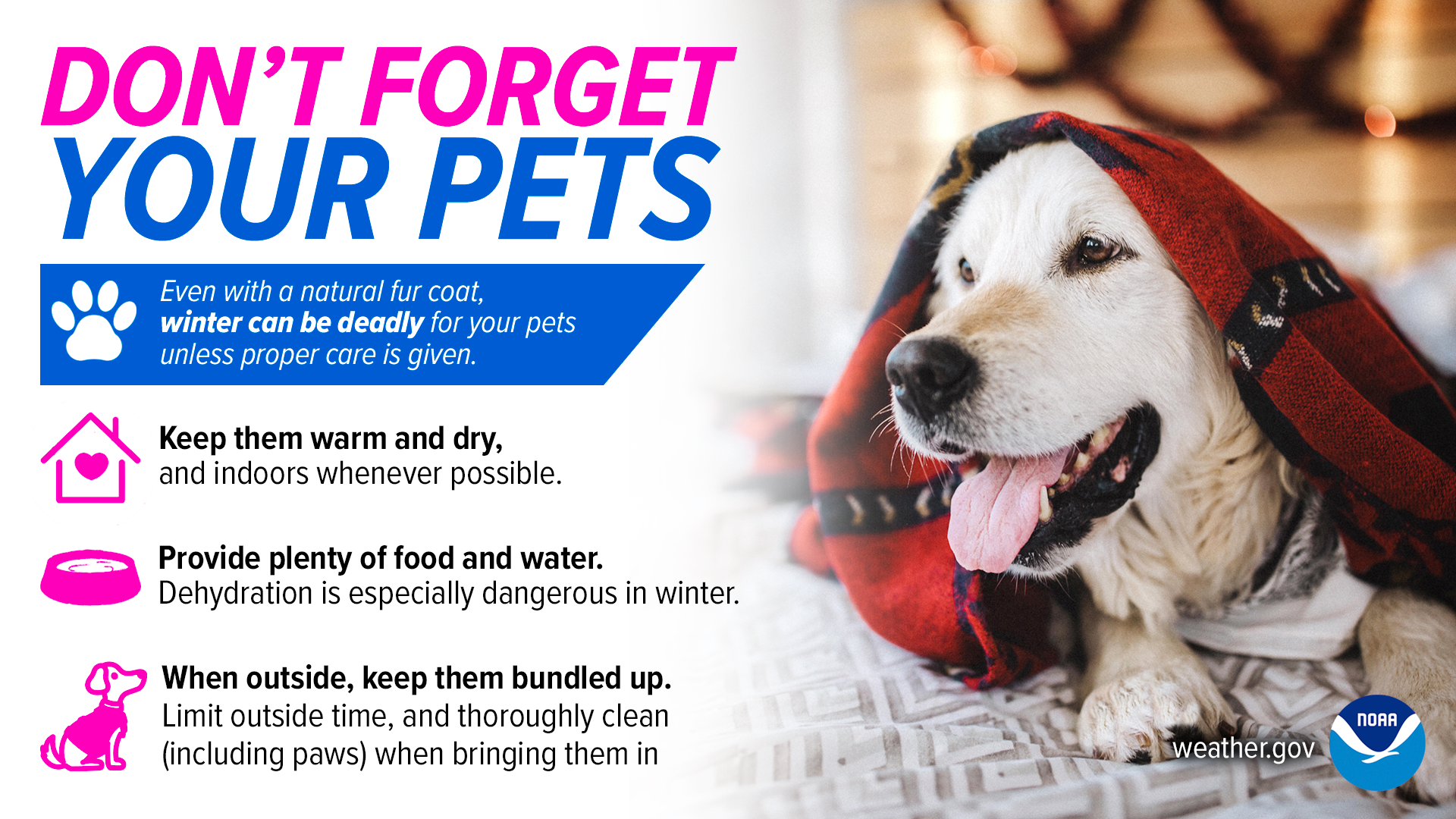
- Bring your pets indoors and ensure they have water.
- Eating healthy meals will help to keep your body temperature warm.
- Stay hydrated even during the cold to prevent hypothermia. Avoid alcohol and caffeine. They cause your body to lose heat faster. Drink warm beverages or broth.
- Keep extra blankets, sleeping bags, and warm winter coats on hand for use in cold rooms.
- Charge all your devices (medical equipment, phone, computer, tablet, radio, etc.).
- Check on neighbors, friends, and family.
- For a list of warming centers in your area, call 2-1-1 or visit org/
If You Go Outside
If you must go outside, please take these precautions:
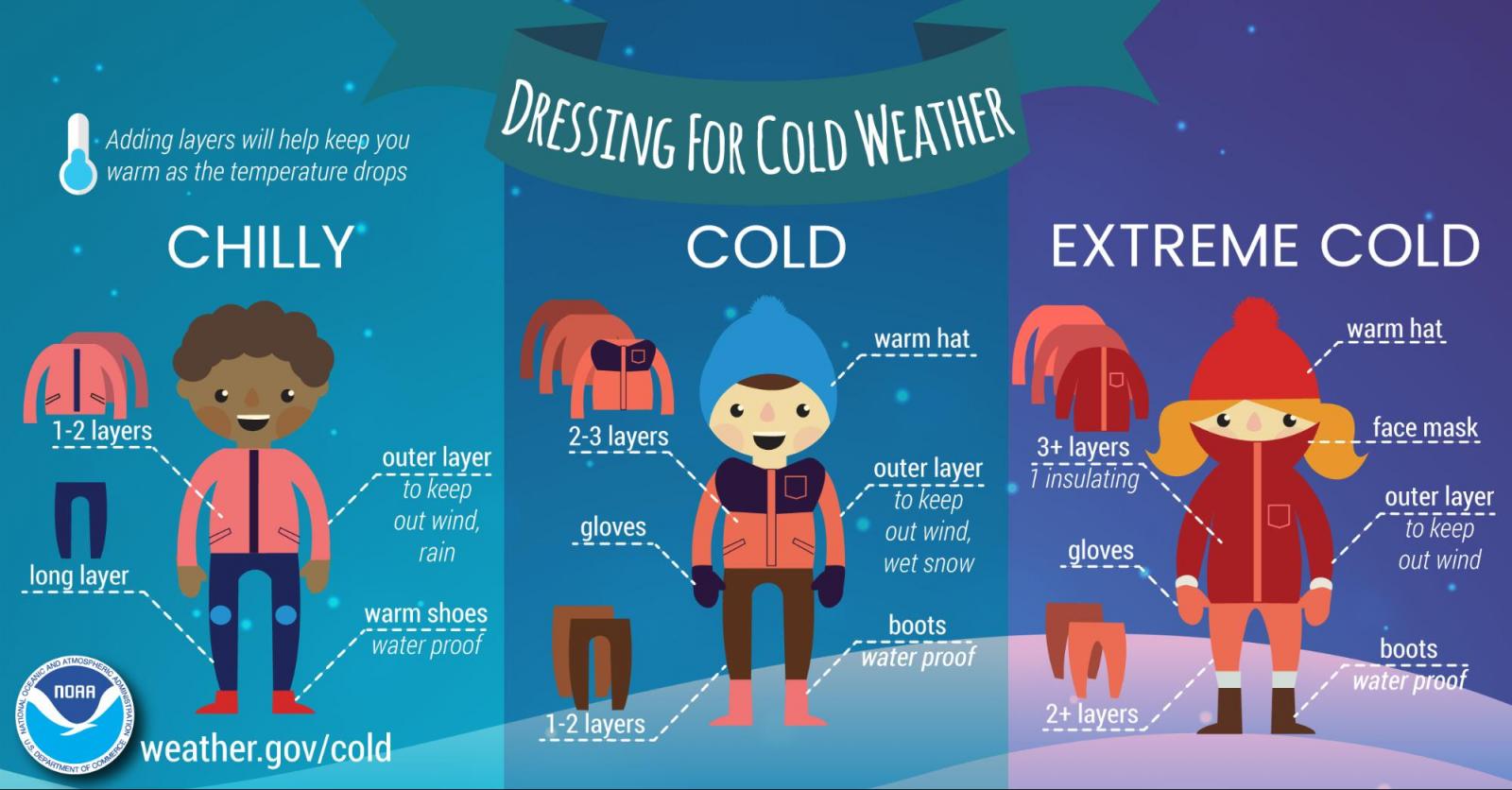
- Dress warmly and in layers. Make sure you cover your head, fingers and toes to prevent frostbite.
- Be aware of the wind chill factor.
- Wear proper footwear for traction. Take slow, short steps.
- Avoid getting wet. If you get wet, change out of wet clothes as soon as possible to prevent hypothermia.
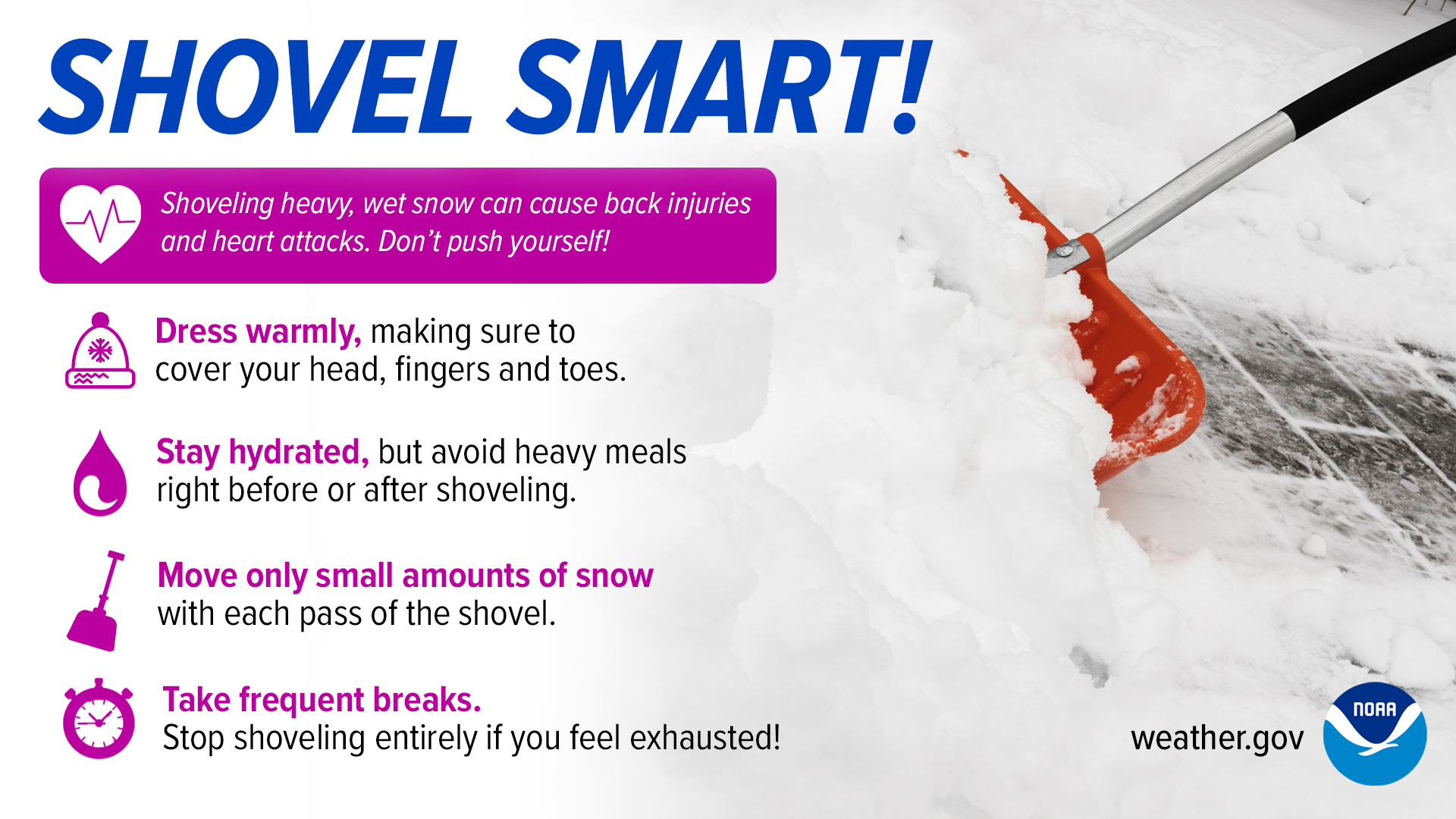
- Take frequent breaks if shoveling snow or working outdoors.
If You Must Drive
- Stay at home and avoid travel. If you must travel, check the road conditions and your route first.
- Allow extra time and follow these tips from the Virginia Department of Transportation.
- If you must travel, let someone know your destination and when you expect to arrive. Ask them to notify authorities if you are late.
- Always carry extra warm clothing and blankets with Don’t rely on a car to provide enough heat.
- Have a winter emergency kit inside your car that includes:
- Ice scraper
- Warmth items such as blankets, extra gloves, etc.
- Portable shovel
- Flashlight
- Extra batteries and a cell phone charger
- A first aid kit
- Jumper cables
- A small container of sand or kitty litter for traction
- Nonperishable food and water
- Items for handling a flat tire
If you have chronic health conditions, please reach out to your healthcare provider to work together and ensure you have a care plan in place. Organize and protect your prescriptions, over-the-counter drugs, home-use medical devices, and vitamins. Talk to your doctor or pharmacist about how you can create an emergency supply of medicines.
If you notice signs of frostbite and hypothermia, seek medical attention immediately.
If you have questions, contact the Cumberland Plateau Health District at (276) 889-7621 or the LENOWISCO Health District at (276) 328-8000.