

VIPTA is a statewide infection prevention and control education collaborative, led by the Virginia Healthcare-Associated Infections Advisory Group. Through partnership, VIPTA curates IPC resources for Virginia’s healthcare, congregate care, and public health settings.



Navigating the Hand Hygiene Galaxy
Hand hygiene remains one of the most important — and powerful — actions we can take to protect patients and ourselves. This year, in honor of World Hand Hygiene Day on Monday, May 5, 2025, we’re inviting you to chart a course for cleaner hands — and a healthier galaxy — with some stellar tools.
What to Expect: To support your hand hygiene efforts this May, here are a few resources that are out of this world:
- WHO Hand Hygiene Game: Step into a futuristic hospital in space and stop the spread of infections by completing all five levels in this interactive, free training game.
- CDC Hand Hygiene Program Video Series: A four-part educator video series built around the “4 Es” — Engage, Educate, Empower, and Evaluate — providing plain language tools and strategies to invigorate hand hygiene teaching.
- VDH Hand Hygiene In-Service Slide Deck: Ready-to-use PowerPoint training that covers essential hand hygiene practices will get you ready for training in the blink of an eye. It is one of many VDH hand hygiene resources.
How to Use These Resources:
- Host a Hand Hygiene Challenge: Encourage staff to compete to complete all five levels of the WHO Hand Hygiene Game. Participants who complete the mission can be entered into a prize drawing — and help boost team engagement!
- Inspire Champions with the CDC Video Series: Use CDC hand hygiene program videos to energize your Champions of Healthcare Infection Prevention (CHIP) and prep them to deliver quick, relatable education to peers. Turn everyday moments into hand hygiene wins across your facility.
- Expand World Hand Hygiene Day into a Week with the VDH Slide Deck: Pull key slides to create daily huddles leading up to May 5th. A quick message each day builds momentum, keeps clean hands top of mind, and turns a single event into a weeklong celebration.
No matter where your healthcare journey takes you — from bedside to breakroom — navigating the hand hygiene galaxy starts with clean hands.
Target Audience: Essential IPC Education Level


EMS Infection Prevention Training: Expanding Education Across Virginia
Infection prevention is an important part of Emergency Medical Services (EMS) practice. However, many agencies have relaxed some infection control practices since the COVID-19 pandemic. To help address this need, David Keeler of the Tidewater EMS Council has added infection prevention training to their annual and quarterly EMS education programs.
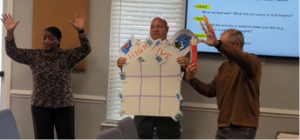
David partnered with Ginger Vanhoozer from the Virginia Department of Health to provide training for EMS professionals. Topics included everyday infection prevention practices, new infectious diseases, antibiotic resistance, MRSA, and other drug-resistant organisms. The sessions brought the topic to life with hands-on activities, including glow-in-the-dark demonstrations that showed how contamination can spread. These activities helped make the information easy to understand and remember.
The response from participants has been extremely positive. Attendees reported a 100% satisfaction rating and asked for more training opportunities, including additional foundational infection prevention education opportunities. By strengthening their infection prevention knowledge, EMS professionals can better protect themselves, their patients, and their communities.
Regional EMS councils throughout Virginia offer a great way to bring infection prevention information to providers.
How can I get involved with EMS education in my area?
To bring similar trainings to your area, contact your local EMS council to learn more. These councils can help organize educational events, connect EMS and healthcare partners, and support infection prevention efforts in their communities.
By working together, infection preventionists and EMS professionals can strengthen infection prevention practices across Virginia.
Find your EMS region and connect with your local EMS council.



