

VIPTA is a statewide infection prevention and control education collaborative, led by the Virginia Healthcare-Associated Infections Advisory Group. Through partnership, VIPTA curates IPC resources for Virginia’s healthcare, congregate care, and public health settings.



May 5th is World Hand Hygiene Day
Mark your calendars because May 5th is no ordinary day—it’s World Hand Hygiene Day! It’s time to roll up our sleeves and celebrate the power of clean hands in keeping us all healthy. We know it’s not always easy to find the right tools to keep those hands squeaky clean. Fear not, because we’ve got your back with an exciting bundle of resources that’ll make hand hygiene a breeze!
?️ Toolkit: APIC Toolkit for Patient Hand Hygiene
- About this resource: This toolkit is an all-encompassing resource designed to empower healthcare professionals like you to champion hand hygiene practices among patients and residents.
- Target Audience: Foundational IPC education
?️ Video: Virginia Infection Prevention Training Center – Hand Hygiene with Florence Nightingale
- About this resource: Get ready to be entertained and educated when Florence Nightingale comes to life to tell a memorable and short story on how to perform hand hygiene and why it matters in healthcare.
- Target Audience: Foundational IPC education level
? Technology: Speedy Audit
- About this resource: Speedy Audit is a free resource to track and compile your hand hygiene audits. A 2023 study showed that using Speedy Audit reduced the amount of time to complete hand hygiene analysis when compared to a paper audit tool (Libero, G., Bordino, V., Garlasco, J., Vicentini, C., & Maria Zotti, C. (2023)).
- Target Audience: Foundational to Intermediate IPC education level
So, gear up, spread the word, and let’s make this World Hand Hygiene Day the cleanest one yet!


EMS Infection Prevention Training: Expanding Education Across Virginia
Infection prevention is an important part of Emergency Medical Services (EMS) practice. However, many agencies have relaxed some infection control practices since the COVID-19 pandemic. To help address this need, David Keeler of the Tidewater EMS Council has added infection prevention training to their annual and quarterly EMS education programs.
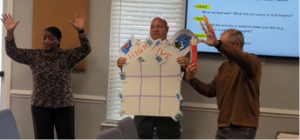
David partnered with Ginger Vanhoozer from the Virginia Department of Health to provide training for EMS professionals. Topics included everyday infection prevention practices, new infectious diseases, antibiotic resistance, MRSA, and other drug-resistant organisms. The sessions brought the topic to life with hands-on activities, including glow-in-the-dark demonstrations that showed how contamination can spread. These activities helped make the information easy to understand and remember.
The response from participants has been extremely positive. Attendees reported a 100% satisfaction rating and asked for more training opportunities, including additional foundational infection prevention education opportunities. By strengthening their infection prevention knowledge, EMS professionals can better protect themselves, their patients, and their communities.
Regional EMS councils throughout Virginia offer a great way to bring infection prevention information to providers.
How can I get involved with EMS education in my area?
To bring similar trainings to your area, contact your local EMS council to learn more. These councils can help organize educational events, connect EMS and healthcare partners, and support infection prevention efforts in their communities.
By working together, infection preventionists and EMS professionals can strengthen infection prevention practices across Virginia.
Find your EMS region and connect with your local EMS council.



