VIPTA is a statewide infection prevention and control education collaborative, led by the Virginia Healthcare-Associated Infections Advisory Group. Through partnership, VIPTA curates IPC resources for Virginia’s healthcare, congregate care, and public health settings.


Health Equity and Antimicrobial Resistance Resources from CDC
CDC provided a toolkit of resources that incorporate health equity science into antibiotic stewardship program research.
Ways to Share this Resource
- Perfect for sharing during U.S. Antibiotic Awareness Week (November 18-24).
- Resources for different audiences to help you match the right materials for patients, residents, family, administrators, prescribers, and healthcare workers.
Target Audience: Foundational to Intermediate IPC education levels


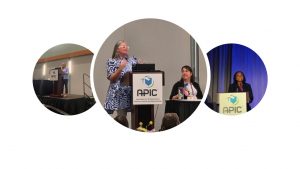
Virginia APIC Members Share Their Work at the APIC National Conference!
The 2026 Association for Professionals in Infection Control and Epidemiology (APIC) National Conference was held June 15–17 in Nashville, TN, offering infection preventionists a valuable opportunity to learn, collaborate, and showcase their work. With about 400 submissions received, selection to present is a notable achievement. This year, several APIC Virginia Chapter members were featured.
Congratulations to the following presenters!
⭐Dana Chapman (Sentara Leigh Hospital) and Ginger Vanhoozer (VDH) presented “Reciprocal Mentorship That Fits: Education-Rich, Time-Smart, and Built for Collaboration”, discussing APIC Virginia & VDH’s novel mentorship program.
⭐Mai Jatta (Carilion Clinic) discussed Carilion’s systemwide approach to implementing a water and steam testing program in alignment with ANSI/AAMI ST108 in “Systemwide Implementation of Water and Steam Quality for Medical Device Reprocessing”.
⭐Carolyn Kiefer and Andrea Chapman (VDH) presented “From Airways to Outbreaks: A State’s Journey Strengthening Respiratory Care Assessments”. They discussed the importance of incorporating respiratory care assessments into outbreak investigations with pathogens such as Candida auris, Group A Streptococcus, and other multidrug-resistant organisms, and how to implement them in the field.
⭐Krysta Luzynski (VCU Health Community Memorial Hospital) discussed “Public Health in Practice: Leveraging Public Health 3.0 to Strengthen Infection Prevention in a Small, Rural Hospital”. This presentation focused on using the Public Health 3.0 framework to strengthen infection prevention programs, and how a “chief health strategist” role can facilitate collaboration and empower teams.
⭐Samuel Ntow (Carilion Clinic) presented “Hospital-Onset Sepsis: Characterizing a Hitherto Underrecognized HAI Burden Using Five Years of Surveillance Data at an Academic Medical Center” which discussed the underreporting of hospital onset sepsis in an academic medical center. He found that the rates exceeded several currently tracked HAI categories in his facility.
Tools & Tips to Share Your Work
- Local conferences are a great place to begin. Consider submitting a poster at the APIC Virginia Fall Conference (October 15–16):
↪️APIC Virginia provides guidance on what to include plus a free poster template! - Join the APIC Research Network (free for APIC members) to connect with peers and access helpful resources.
- Need help shaping your idea or outlining your poster or presentation? Schedule a free Infection Prevention Boost Session for one-on-one support.