Virginia Infection Prevention & Control Training Alliance (VIPTA)

Upcoming Events


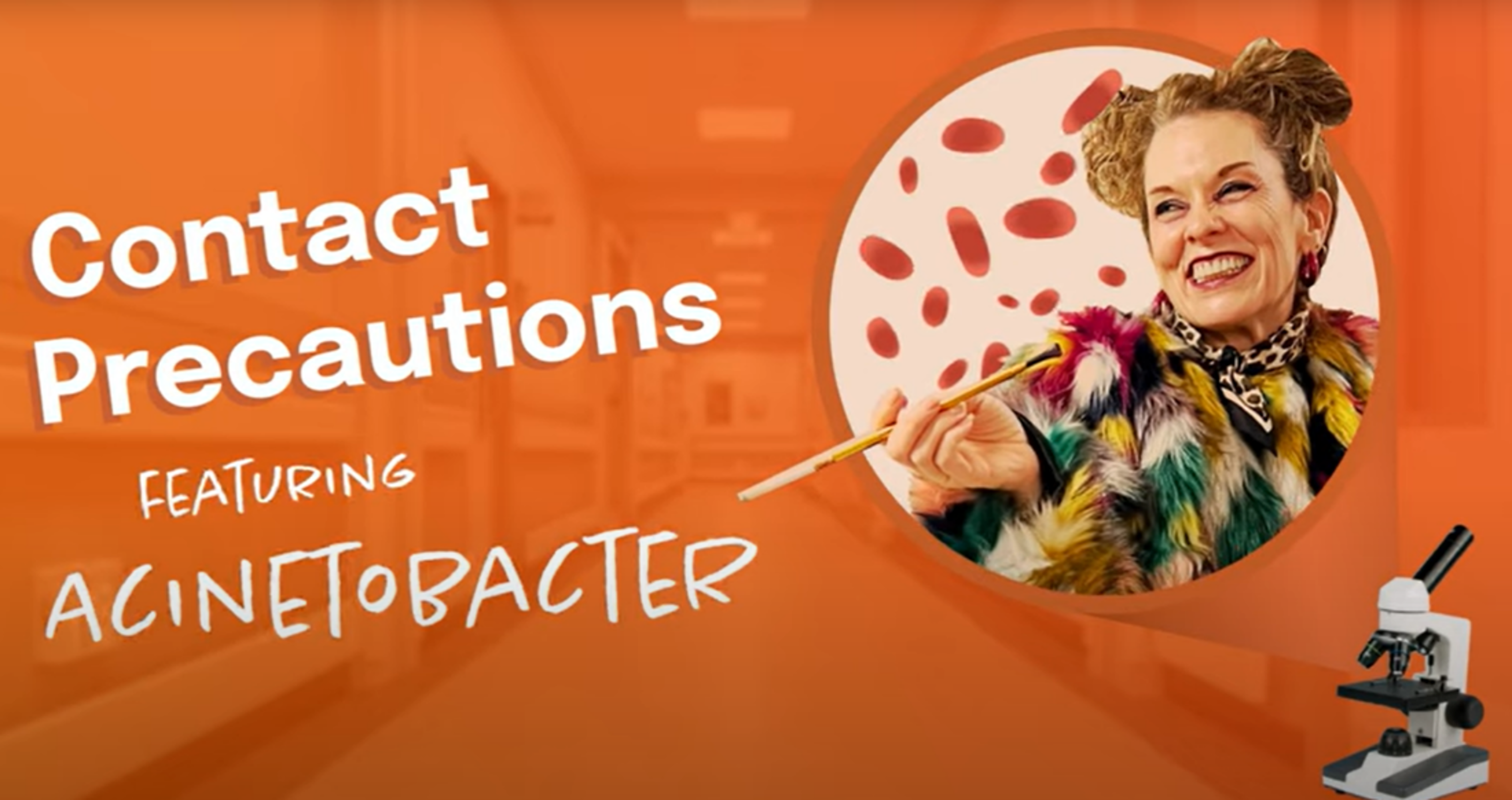
Contact Precautions Featuring Acinetobacter Promotional Image with Smiling Woman and Microscope

Short Training Videos from Virginia Infection Prevention Training Center (VIPTC)

VIPTC developed a series of infection prevention and control (IPC) educational videos for healthcare workers.  

  • Short videos (3-6 minutes in length) 
  • Fun and visually engaging for a fresh take on IPC topics 

Ways to Share this Resource

  • Great nuggets to drop into quick meetings, huddles, emails, or trainings 
  • Perfect for sharing during International Infection Prevention Week (October 15-21) 

Target Audience: Foundational to Intermediate IPC Education Levels 

Videos


Guidance, Recommendations, & Regulatory Updates

VIPTA members track guidance and regulation resources to share source documents that guide infection prevention and control practices for public health staff and clinical and non-clinical healthcare personnel.

The date of the regulation or guidance update is included in each post.  Please check linked content to be sure it is the most up to date and recommended practice.

CDC: Conjunctivitis (09/11/2026)
CDC
Any Practice Setting
The CDC recommends excluding healthcare personnel with suspected or confirmed infectious conjunctivitis, including epidemic keratoconjunctivitis (EKC), from work for the duration of their symptoms. These recommendations emphasize strict hand hygiene, appropriate cleaning and disinfection of surfaces and shared medical equipment, and prompt identification and management of cases to prevent transmission and healthcare-associated outbreaks.
CDC: Viral Respiratory Infections (09/11/2026)
CDC
Any Practice Setting
The CDC provides updated recommendations for managing healthcare personnel exposed to or infected with viral respiratory infections, including work restrictions, symptom monitoring, and source control. Asymptomatic exposed personnel may continue working with source control through at least five days after their last exposure, while infected personnel should be excluded from work for at least three days and meet additional symptom-based return-to-work criteria, followed by source control through at least day seven.
CDC: Preventing Respiratory Infections in the Workplace (08/28/2026)
CDC
Any Practice Setting
The CDC provides recommendations to help employers prevent and respond to respiratory infections in the workplace through improved ventilation, engineering controls, environmental cleaning and disinfection, and policies that encourage sick employees to stay home.  These recommendations also emphasize using respiratory illness surveillance data to inform workplace prevention strategies, including masking and remote work, to reduce transmission and protect employee health.

Society for Healthcare Epidemiology of America (SHEA)

Infection Prevention and Control of Candida auris in Pediatric Settings (6/23/2026) The guidance recommends identifying at-risk pediatric patients through targeted screening, using appropriate isolation and room-placement precautions, and coordinating closely with infection prevention and public health partners when Candida auris is suspected or confirmed. It also emphasizes prevention through meticulous hand hygiene, effective environmental cleaning and disinfection, and careful...


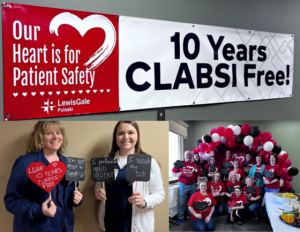
Photo Collage of 3 pictures. Top is a red and white banner that states: Our Heart is for Patient Safety. And 10 Years CLABSI Free. Bottom left photo is of 2 healthcare workers holding signs indicating the activities they do that help them be CLABSI free. Bottom right photo is a group photo of a team wearing matching read shirts in front of a balloon arch.

Our Heart is for Patient Safety

This Valentine’s Day, LewisGale Hospital Pulaski’s theme was Our Heart is for Patient Safety. On 2/14, the entire facility celebrated 10 years without a central line-associated bloodstream infection (CLABSI)! This success was the result of an enormous amount of teamwork. It involved physicians ordering and placing lines appropriately, nurses caring for the lines properly, and many ancillary departments doing their part.

The team thanked Environmental Services for keeping the hospital clean, Supply Chain staff for ensuring necessary products are in stock and Interventional Radiology for carefully and consistently placing peripherally inserted central catheter (PICC) lines. A robust interdisciplinary team discusses every device including the plan for removal. A major contributor to this success is a culture where all staff feel empowered to speak up when there is a patient concern.

Leading up to the celebration of CLABSI prevention, the Infection Preventionists most enjoyed time spent gathering photographs of staff and talking about their contributions to this special event. This momentous occasion was celebrated with banners, balloons, t-shirts and cake for all!

-Becky McDonald, Infection Preventionist, LewisGale Hospital Pulaski


IPC Education & Training Library

Search the VIPTA library of curated infection prevention and control (IPC) education and training resources. The IPC Education & Training Resource Library includes state and national resources related to healthcare-associated infections, antimicrobial resistance and/or IPC. Visit the VIPTA FAQ page to learn more about VIPTA library content.


Connect With VIPTA