
Chesterfield Health District Encourages Preparedness for Disasters
National Preparedness Month tips for communication breakdown and floods
September is National Preparedness Month. Central Virginia and the Chesterfield Health District want to encourage everyone to take this time to plan for upcoming weather-related disasters. Tropical storms and hurricanes may still occur well into the year, so it’s wise to stay prepared and pay attention.
Overcoming communication barriers
“People depend on their cell phones for the convenience of saved phone numbers and addresses. It’s essential to prepare for inclement weather and power outages now by having all the numbers you need in one place in case you don’t have access to your phone. Additionally, I encourage everyone to print out a Family Emergency Communication Plan from Ready.gov and list your prescriptions with dosages for each family member,” said Fernando Tirado, Local Health Emergency Coordinator at the Chesterfield Health District. “Have a family meeting and discuss a plan for typical scenarios. Everyone should know where to meet, who to contact, and what to do.”
The Chesterfield Health District also wants people to know the difference between a weather watch and a warning. Tirado refers to the watch and warning theory as the “taco” analogy:
Weather Watch = Taco Ingredients Are Ready
Think of a weather watch like having all the ingredients for tacos laid out on the counter—tortillas, meat, cheese, salsa, etc. The conditions are favorable for tacos (or severe weather), but nothing has been assembled or cooked yet. It’s a heads-up to be prepared.
Weather Warning = Tacos Are Being Served
A weather warning means the tacos are fully assembled and ready to eat—just like severe weather is either happening or imminent. It’s time to act, not just prepare.
There are some great resources and technologies available on the internet and through smartphones. Start a Conversation, and the Children and Youth Preparedness Toolkit (Ready.gov) can assist in gathering information. Here is a listing of some of the local emergency alerts for weather-related threats in the area.
• Chesterfield: Chesterfield Citizen Alert
• Colonial Heights: CivicReady Notifications
• Powhatan: Community Notification Enrollment
Tirado recommends everyone download three apps to their mobile device:
• What Three Words: If you’re lost, you can use this app to look up the three words that represent your exact location. Then you give this information to emergency responders. This saves you from having to list lengthy longitude and latitude numbers that can get mixed up.
• In Case of Emergency: Gives first responders access to your medical history on your mobile device. This is helpful if you are not responsive.
• Zello: Group messaging platform that acts as a walkie-talkie. You can deliver messages to contacts you set up ahead of time. Avoid having to notify individuals of your status.
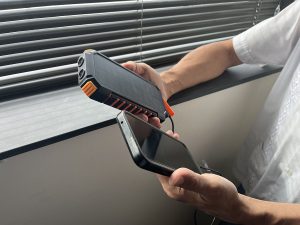
Finally, it’s a good idea to invest in a solar-powered charger so you can recharge your mobile device in a power outage.
Prepare for flooding
“Turn around, don’t drown” is a simple statement that is easy to remember. However, people may decide to travel through stormwater instead of going another way, which can lead to a false sense of security or confidence in their vehicle’s abilities. The road could be washed out, or the vehicle could stall out. Whether walking or driving in floodwater, it is hard to determine what dangers lie below water, whether it be potholes, debris, reptiles, or chemicals.
Tirado is all too familiar with the consequences of these storms. In 2012, he served in disaster recovery in Long Beach, New York. He was on the job for five days when Hurricane Sandy arrived, flooding the area. His office went for two weeks without water or electricity. Once he arrived at the office, there was a gas shortage. Then a snowstorm hit.
“The damage was extensive. Homes came off their foundations. People experienced mold issues. Basements flooded with insecticide, fertilizer, and automobile fluids. After two years, we were still working on recovery,” Tirado said.
Learn more about flood safety and how to prepare for emergencies by visiting Ready.gov.