DDP E-Bulletin: November 2025

November Ebulletin Header Photo

Mpox Situation Update

Data Updates

Virginia continues to see an increase in mpox cases reported during 2025 compared to cases reported in 2024. Through November 19, 2025, 34 mpox cases have been reported, surpassing the total number of cases reported in all of 2024 (27).
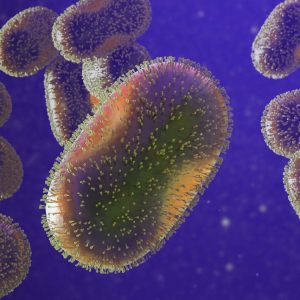
Mpox Photo, SquareMpox cases continue to occur primarily in men. Mpox also disproportionately affects communities of color. Mpox cases have occurred in all five state health regions, with the greatest number of cases reported from Virginia’s Northern and Central health planning regions (82%).

The mpox data dashboard is updated weekly with mpox case numbers.

How You Can Help

Almost 77% of mpox cases have been in people who had not received an mpox vaccine. Vaccination remains the best way to protect against the monkeypox virus. The JYNNEOS vaccine is administered as a two-dose regimen and both doses are needed to provide the best protection against the virus. People can receive their second dose of JYNNEOS at least 28 days after getting their first dose.

Six patients with mpox were hospitalized so far during 2025 in Virginia. Those with compromised immune systems, such as persons with HIV, are at greater risk for severe health outcomes from mpox, including hospitalization and death. DDP asks local health department staff and community partners to talk with patients with compromised immune systems, who might be at greater risk (see vaccine eligibility) for severe mpox outcomes, about getting vaccinated.

What We Are Doing

DDP and the Division of Surveillance and Investigation (DSI) continue to provide a collaborative mpox response. DSI monitors/investigates cases, and updates VDH mpox data weekly. DDP communicates mpox updates within VDH, to providers, and our community partners through website updates, social media, clinician letters, various newsletters, and presentations to various audiences.

Clade I Community Spread

As of October 17, 2025, three non-related cases of clade I mpox were identified in Southern California. Clade I mpox is causing an ongoing outbreak in Central and Eastern Africa. Clade I cases have not been part of the previous mpox outbreak in the U.S., which was comprised exclusively of clade II. While the risk of clade I mpox to the public in the U.S. remains low, these new cases are cause for concern because they occurred in residents without a history of recent international travel, indicating person-to-person community spread in California. Learn more about the clade I cases on the California Department of Public Health’s website.

Got Questions?

For information, clinician resources, or general resources for the public, visit the mpox website at www.vdh.virginia.gov/mpox. For any questions about DDP mpox efforts, please contact Diana Prat, Deputy Director, Division of Disease Prevention, at diana.prat@vdh.virginia.gov.

Helping Hand Concept Photo

Health Benefits Enrollment for VA MAP Clients

Virginia Medicare Open Enrollment: Medicare open enrollment began October 15 and continues through December 7, 2025.

Virginia Insurance Marketplace (VIM) Open Enrollment/ACA: Virginia ACA open enrollment began November 1 and continues through January 30, 2026.

Benalytics, the VDH contracted insurance enrollment partner, assists specific Ryan White clients with enrollment into Medicare and ACA coverages.

Find open enrollment and health insurance updates for VA MAP clients on the VA MAP webpage.


Policy Aid: Innovations in Syphilis Policy Playbook

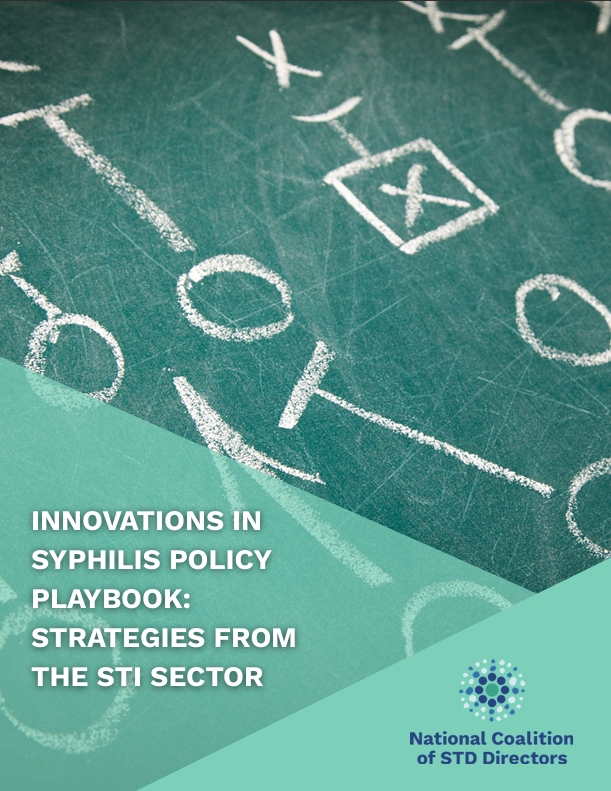
The National Coalition of STD Directors (NCSD) has released their Policy Aid: Innovations in Syphilis Policy Playbook. As one solution to the increased need for solutions to syphilis and congenital syphilis cases, NCSD released this document. It examines six syphilis prevention policy strategies that were implemented by health departments across the U.S. Key implementation steps and considerations for replication and adaptation are included in the document. Results, lessons learned, and other considerations are also included.

View the full PDF from NCSD to learn more. For questions related to the policy aid, contact NCSD’s policy team at policyteam@NCSDDC.org.


AIDSVu Calculator Promo Image

AIDSVu Launches HIV Impact Calculator

AIDSVu has launched a new interactive HIV Impact Calculator to help policymakers, public health professionals, advocates, and communities. The calculator helps model how changes in PrEP coverage and viral suppression rates can impact new HIV infections and overall healthcare costs.


HIV Network Detection and Response (Formerly HIV Cluster Detection and Response)

The HIV Cluster Detection and Response (CDR) program is changing its name to HIV Network Detection and Response (NDR). Feedback from our Community HIV Planning Group and discussions with other jurisdictions who have made this transition confirm the term ‘network’ is less stigmatizing. The name change will also decrease past confusion that an identified cluster indicates an outbreak.

Please refer to the NDR webpage for additional information about this program. For questions, please contact Garrett Shields, NDR Program Manager, at garrett.shields@vdh.virginia.gov.


Free STI Training During November for Urgent Care Providers

The National Coalition of STD Directors (NCSD) is offering a training, Sexually Transmitted Infections and Diseases in Urgent Care Centers. CEUs are available and the training is being offered at no cost during November.

Recognizing that more patients are turning to urgent care centers for treatment of potential STIs, NCSD organized this training. The course will educate providers to identify and treat the most commonly encountered sexually transmitted infections in the urgent care setting. At course completion, .5 ANCC credits are earned.

Share this opportunity with any providers in your network who work in urgent care and other providers who may be interested.

Providers should visit the NCSD Learning Center to register for the course. They must have an account to register. Creating an account in the NCSD Learning Center is free if they do not already have one.


2024 HIV Continuum of Care Available

The 2024 HIV Continuum of Care is now available on the DDP Data and Reports page. This final Virginia report brings us to the current year.

For any questions about the report, please contact Lauren Maxwell, Lead HIV Epidemiologist, at L.maxwell@vdh.virginia.gov.


3-Day STI Overview

The STD/HIV Prevention Training Center, John Hopkins Medicine is offering a “3 Day STI Overview”. The 3-day course runs December 9 through December 11, 2025, and is available to all health care providers and health care workers in the District of Columbia and the states of Delaware, Kentucky, Maryland, Pennsylvania, Tennessee, Virginia, and West Virginia.

Topics covered in the course include:

    • STI surveillance data
    • Taking a sexual history/patient communication
    • STI screening guidelines
    • The role of disease intervention specialists
    • Vaginitis
    • Status neutral care
    • GC/CT/Mgen
    • HPV/HSV/mpox
    • Syphilis
    • Viral hepatitis
    • And more!

Credit is available for the course. For more information, or to register, visit the training center’s website.


New NSTCD Syphilis Resources

In response to increases in syphilis among pregnant women and congenital syphilis cases, the National STD Curriculum (NSTCD) released additional resources. The NSTCD is a free educational website from the University of Washington STD Prevention Center. New resources include:

Visit www.std.uw.edu for additional educational resources from NSTCD.


Personnel Announcements

Welcome

HIV and Hepatitis Prevention welcomes Chenoa Jones to the Virginia Disease Prevention Hotline as a Hotline Counselor. She is a contractor hired through 22nd Century.

Chenoa brings valuable experience and customer service skills through her previous background at a high-volume call center. She enjoys spending her free time with family and friends; she says being around those who make her laugh truly energizes her. Chenoa is passionate about reading and photography and is the proud aunt of three energetic nephews who keep her on her toes.

Chenoa can be reached at chenoa.jones@vdh.virginia.gov or on the hotline at 800-533-4148.