February is National Cancer Prevention Month

February is National Cancer Prevention Month. Many choices can be made every day to help lower the risk of cancer. Ways to lower cancer risk include avoiding tobacco and alcohol, eating healthy, exercising regularly, and protecting skin from the sun. According to a study published in CA: A Cancer Journal for Clinicians, cigarette smoking was by far the leading risk factor, contributing to nearly 20% of all cancer cases and 30% of all cancer deaths. Tobacco smoke is made up of thousands of chemicals, many of which are known to cause cancer. Avoiding exposure to cancer causing chemicals can help reduce the risk of developing cancer.

For more information, visit:

Chemicals and Cancer | American Cancer Society

Ways to Prevent Cancer – Prevent Cancer Foundation

Cancer Risk and Prevention | Cancer Causes | Stay Healthy | American Cancer Society

Pediatric Nicotine Ingestions

In the last five years, the popularity of nicotine pouches and the cases of accidental pediatric nicotine pouch ingestions have risen significantly. From 2020-2023 there was a 763% increase in pediatric nicotine pouch exposure. Pouches usually contain between 12-15 mg of nicotine and are often not in child-resistant containers. Ingesting that level of nicotine can lead to severe toxicity in children 5 and under. The toxic effects range from nausea and vomiting to seizure, coma, and even death. Over half of children who ingest nicotine products have no reported effect or minor effects (56.4%) from the ingestion according to cases reported in the NPDS from the U.S. poison centers. Previously used nicotine pouches still contain residual nicotine and can lead to serious health effects if ingested by a child, highlighting the importance of storing the pouches out of reach or in child-resistant containers.

For help during a poison emergency call the poison help line at 1-800-222-1222.

For more information:

Radon Awareness Week

The Center for Disease Control (CDC) is observing Radon Awareness Week during January 26th through January 30th 2026. This week emphasizes the dangers of radon as it is the second leading cause of lung cancer deaths in the United States. Radon is naturally occurring and can leak into homes from cracks or gaps in floors or walls. Testing a house for radon is the only way to know if there is an indoor radon problem. Radon test kits for Virginians can be purchased for a discounted price at https://www.vdhradon.org/.

For more information, visit:

CDC Radon Awareness Week: https://www.cdc.gov/radon/index.html

VDH Indoor Radon Program: https://www.vdh.virginia.gov/radiological-health/indoor-radon-program/


Winter Storms: Carbon Monoxide Poisoning Risks

Many areas around the country lose power due to winter storms. As a result, families resort to using risky alternatives for heat and preparing meals making January the deadliest month for carbon monoxide (CO) poisoning. Carbon monoxide is an invisible, odorless gas that is produced when fuel is burned. Common sources of CO include automobiles, wood stoves, fireplaces, and furnaces.  

To keep you and your family safe, place portable power generators outdoors in a well-ventilated spot, at least 20 feet away from your home. Do not use grills or camping stoves inside your home. Make sure to pull cars out of the garage when warming up the engine and install CO detectors on every level of your home. 

If you have questions, you can contact the Blue Ridge Poison Center day or night at 1-800-222-1222 

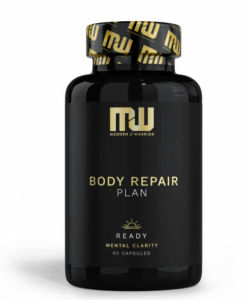
FDA Recall: “Modern Warrior Ready” Dietary Supplement

All lots of “Modern Warrior Ready”, a dietary supplement from Modern Warrior, are being recalled due to the presence of undeclared ingredients. Tianeptine, 1,4-DMAA, and aniracetam are a few of the undeclared ingredients found in the supplement. Tianeptine can cause health effects including suicide ideation, confusion, seizures, drowsiness, and shortness of breath. Use of 1,4-DMAA can lead to elevated blood pressure and cardiovascular issues.

For more information on the FDA recall, visit https://www.fda.gov/safety/recalls-market-withdrawals-safety-alerts/modern-warrior-recalls-modern-warrior-ready-dietary-supplement-due-undeclared-14-dmaa-and-aniracetam?utm_medium=email&utm_source=govdelivery

Photo of “Modern Warrior Ready” from FDA recall

EPA to Regulate Uses of Five Phthalate Chemicals

The United States Environmental Protection Agency (EPA) announces intent to regulate dozens of uses of five phthalate chemicals to protect workers and the environment. The five phthalate chemicals that EPA plans to regulate include Butyl Benzyl Phthalate (BBP), Dibutyl Phthalate (DBP), Dicyclohexyl Phthalate (DCHP), Diethylhexyl Phthalate (DEHP), and Diisobutyl Phthalate (DIBP) which are commonly used to make plastics more flexible. Risks associated with the use of these chemicals include worker exposure from inhalation during manufacturing and spray applications. Other risks include environmental concerns for fish and other aquatic life and health impacts including hormone deficiencies and endocrine disruption.

For more information on phthalate, see https://www.epa.gov/assessing-and-managing-chemicals-under-tsca/phthalates.