Child care providers are responsible for keeping the children in their care safe. This includes preventing lead exposure. Young children spend a lot of time at child care, and even a small amount of lead is dangerous. Lead is harmful to young children because they are still growing and developing. Preventing exposure to lead is an important way to keep those children healthy and safe in their home away from home. Continue reading for lead poisoning prevention information and resources.
Potable Water Testing
For information about compliance with § 22.1-289.057 of the Code of Virginia, which is the law that requires all licensed child day programs, religious exempt child day centers that serve preschool age children, and certified preschools to test potable drinking water, please visit the VDH Office of Drinking Water Lead and Copper webpage.
Information About Lead
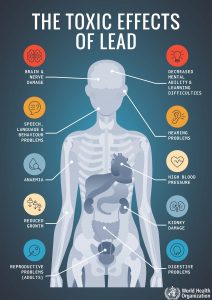
Exposure to lead in young children can cause:
- Damage to the brain and nervous system
- Hearing and speech problems
- Attention and behavior problems
- Delayed growth and development
Over time, these health issues can lead to…
- Decreased IQ
- Inability to pay attention
- Decreased performance in school
- Increased aggressive behavior
Why are young children the most at risk?
Children under the age of six are the most at risk for the harmful effects of lead exposure because:
- Their bodies are still rapidly growing and developing
- They are more likely to be exposed to lead from crawling on the floor and hand-to-mouth behaviors
- Their bodies absorb lead more easily than the bodies of adults
Some populations are at higher risk of lead poisoning, but all children can be exposed to lead and harmed by lead.
There are many different sources of lead exposure. The list below covers some of the most common sources. For more information on possible sources of lead check out this document: Possible Sources of Lead - Full List.
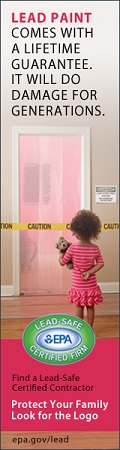
One of the main sources of household lead exposure is lead-based paint. Lead-based paint was banned in 1978 in the United States, which is why older homes are the most likely to contain this lead hazard. Young children are exposed to lead in paint from:
- Lead dust from deteriorating lead-based paint.
- Chipping and peeling pieces of lead-based paint.
Lead can be found in soil around old buildings that were painted with lead-based paint. Soil may also become contaminated by leaded gasoline. Lead from the gasoline can settle into the soil. This is most common near high traffic areas or near airports that support piston engine aircraft.
Water can become contaminated in older homes if the plumbing contains lead. Lead can be found in:
- Service lines
- Pipes
- Fixtures
- Solder
Lead pipes were banned in 1986 in the United States, but many people still receive water from lead service lines today.
Some traditional medicines have been known to contain lead, such as:
- Azarcon
- Ba-baw-san
- Bali Gholia
- Daw Tway
- Ghasard
- Greta
- Kandu
- Paylooah
Some traditional cosmetics have been known to contain lead, such as:
- Kajal
- Kohl
- Sindoor
- Surma
Spices
Some imported spices can contain lead, such as:
- Turmeric
- Curry
- Cinnamon
- Masala
- Kviteli kvavali
- Svanuri marili
- Kharcho suneli
- Utskho suneli
- Adjika
Produce
Leafy greens and other produce can become a source of lead exposure if they are:
- Grown in soil contaminated with lead.
- Grown in areas where lead particles may settle.
You should thoroughly wash all fruits and vegetables before eating them.
Meat
Hunting with lead shot can contaminate meat with lead.
Some of the products listed below have been found to contain dangerous levels of lead:
- Imported or antique toys and jewelry.
- Vinyl mini blinds.
- Glazed ceramics or pottery.
The Information for Parents webpage has information on products recalled due to dangerous levels of lead.
1. Wash toys often
Young children often put their toys in their mouth while playing. Washing toys often can remove lead residue from the outside of toys and prevent children from accidentally ingesting it while they are playing. Old and antique toys are common source of lead exposure, so it may be best to keep those toys away from young children altogether.
2. Make sure all children wash their hands before eating
Washing hands well before eating all snacks and meals will prevent children from ingesting any lead they may have gotten on their hands while playing outside or while crawling on their hands and knees. The CDC has some excellent graphics and posters to encourage good hand washing hygiene. To browse and/or access their materials, visit this page: Handwashing Health Promotion Materials
3. Wipe down counters, tables, and food preparation areas daily
Lead dust can settle on countertops, tables, and food preparation areas. Wiping down these areas daily with a wet cloth can remove lead dust before it gets into food or onto children's hands.
4. Wet wipe and wet mop floors, baseboards, and entryways weekly
High friction areas (such as a door rubbing against the floor or against the door jambs) can generate lead dust and chip away at lead-based paint, leaving behind small flakes that children may accidentally inhale or ingest. Additionally, lead-contaminated soil can accidentally be tracked inside on the bottoms of shoes. Wet-wiping and wet-mopping high friction and high traffic areas weekly can reduce the risk of children coming into contact with any of these possible exposure sources of lead.
1. Show young children how to wash their hands well
Washing children's hands well after they play outside and before all meals will prevent them from ingesting any lead dust particles that may have gotten on their hands during play. The CDC has some excellent graphics and posters to encourage good hand washing hygiene. To browse and/or access their materials, visit this page: Handwashing Health Promotion Materials
2. Encourage good nutrition
Young children are rapidly growing and developing. Good nutrition will help them grow healthy and strong and can help prevent the absorption of lead in their body if they are exposed. The bodies of young children absorb more lead than the bodies of adults. Young children should have a diet rich in calcium, iron, and vitamin C.
3. Encourage parents to take their child to get a blood lead test at ages 1 & 2
Lead exposure can have harmful, negative impacts on young children even if they do not show any symptoms. In fact, most children will show no signs of lead exposure. The only way to know for sure that they have been exposed to lead is with a blood lead test. Encourage parents to take their children to get a blood lead test at ages 1 & 2 (or up to age 6 if their child has never received a blood lead test).
Our Educational Materials page has many flyers and brochures that you may use to help spread important lead poisoning prevention information to parents, caregivers, and other child care providers.
1. Check often for chipping and peeling paint
If you discover any chipping and peeling paint in your child care facility, make sure it is swiftly and safely repaired. Chipping and peeling lead based paint is one of the primary sources of lead exposure in young children.
2. Move cribs and furniture away from any possible sources of lead
By moving cribs and other furniture away from areas of possible lead exposure, you reduce the risk of young children inhaling or ingesting lead. These areas may include widow sills, baseboards, or walls with chipping and peeling paint and areas of high traffic where lead may have been brought into the building from soil on shoes.
3. Have your water tested for lead
In the meantime, flush pipes for 60 seconds before using water, and use only cold water for cooking and drinking. Avoid using hot water from the tap to mix infant formula. Hot water is more corrosive to pipes containing lead. Lead service lines were banned in 1986 but many still remain underground, providing water to older buildings and homes.
4. Have the paint and soil in and around your facility tested for lead by a certified lead inspector
You can test for lead in your home using an EPA-certified lead inspector. A professional is likely to be more thorough and more accurate than doing it yourself.
The VDH CLPPP has developed a variety of educational materials to inform the public on important lead poisoning prevention information. To browse, access, and utilize these materials, please visit our educational materials webpage by clicking the button below.
Child Care and Lead Poisoning Prevention Toolkit for Child Care Providers
This toolkit is intended for child care providers and early childhood educators. It contains resources about:
- Having your child care location tested for lead hazards.
- Lead-safe practices for child care settings.
- Staff talking points for discussing lead safety with parents and caregivers.
These resource provide information to child care providers about lead, lead safety in child care and early education settings, and a sample communication plan for informing parents and caregivers about lead hazard testing at your child care location.
- VDH Child Care & Lead Poisoning Prevention Brochure
- VDH Child Care & Lead Poisoning Prevention Full Page Flyer
- CDC - All Children Can Be Exposed to Lead Fact Sheet
- CDC Lead Fact Sheet
- Things We Do to Protect Children From Lead Checklist
- Sample Letter for Parents About Lead Hazard Testing and Results
These educational materials cover the basic information a parent or caregiver needs to protect their child from lead exposure. These materials can be shared at any time, either digitally or by printing them.
These resources focus on lead-in-water safety and safe water regulations.
- EPA 3Ts Guidance for Voluntary Water Testing in Schools and Child Care Centers
- Lead and Copper Rule (LCR) Quick Reference Guide
- Understanding Your Water Quality Report (CCR)
- Understanding the Safe Drinking Water Act (SDWA)
- Healthy Babies Bright Futures Lead in Water Safety Sheet
- EPA Point of Use (POU) Filter Identification
- VDOE information on testing potable water for lead
Child Care Provider Resources for Renovation, Repair, or Painting
Many buildings built before 1978 contain lead paint. Dust from lead paint is dangerous for young children. Lead dust is usually generated by normal wear and tear or renovations. Routine maintenance can keep the paint intact, reducing risk of exposure to lead dust and paint chips. If you plan to upgrade or renovate your child care facility, use safe renovation practices. Renovating without proper precautions can expose everyone in the facility to high levels of lead. Activities like scraping old paint or removing it with a heat gun can produce dangerous lead dust, chips and fumes.
The EPA & HUD have some excellent resources for Renovation, Repair, or Painting (RRP)
- EPA Website: Renovation, Repair and Painting Program: Do-It-Yourselfers
- EPA Steps to Lead Safe Renovation, Repair, and Painting
- HUD Lead Paint Safety
- EPA Child Care Provider Lead Safety Brochure
- EPA Lead-Safe Certified Guide to Renovate Right
If you think there is lead in your child care facility, please visit our Referrals and Partnerships page for abatement and remediation resources.