VIPTA is a statewide infection prevention and control education collaborative, led by the Virginia Healthcare-Associated Infections Advisory Group. Through partnership, VIPTA curates IPC resources for Virginia’s healthcare, congregate care, and public health settings.

Winter Reminder: Ice Safety Goes Beyond the Sidewalk
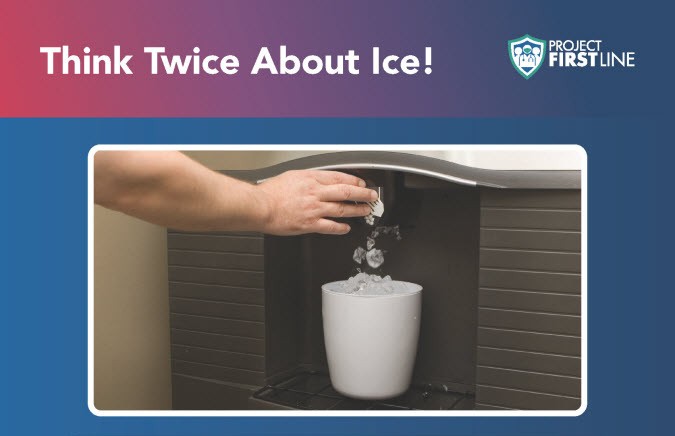
Winter means watching your step outside, scanning sidewalks and parking lots for patches of ice. But in healthcare settings, ice deserves just as much caution indoors as it does outdoors. From ice machines to scoops and storage bins, ice can become a hidden source of germs if it’s not handled carefully.
The CDC Project Firstline “Think Twice About Ice” micro-learn offers an easy-to-use training resource with a facilitator discussion guide and an educational handout.
How to use it
- Tie-in to Facility Protocols: Connect the micro-learn’s points to your facility’s infection control policies. For example, clarify who is responsible for cleaning and maintaining ice machines and how often equipment should be disinfected.
- Post the Job Aid: Print the one-page job aid and place it on breakroom boards, near staff lounges, or by ice machines. Visual reminders reinforce key actions like washing hands before handling ice and using clean scoops and containers.
Target Audience: Essential IPC Education Level



EMS Infection Prevention Training: Expanding Education Across Virginia
Infection prevention is an important part of Emergency Medical Services (EMS) practice. However, many agencies have relaxed some infection control practices since the COVID-19 pandemic. To help address this need, David Keeler of the Tidewater EMS Council has added infection prevention training to their annual and quarterly EMS education programs.
David partnered with Ginger Vanhoozer from the Virginia Department of Health to provide training for EMS professionals. Topics included everyday infection prevention practices, new infectious diseases, antibiotic resistance, MRSA, and other drug-resistant organisms. The sessions brought the topic to life with hands-on activities, including glow-in-the-dark demonstrations that showed how contamination can spread. These activities helped make the information easy to understand and remember.
The response from participants has been extremely positive. Attendees reported a 100% satisfaction rating and asked for more training opportunities, including additional foundational infection prevention education opportunities. By strengthening their infection prevention knowledge, EMS professionals can better protect themselves, their patients, and their communities.
Regional EMS councils throughout Virginia offer a great way to bring infection prevention information to providers.
How can I get involved with EMS education in my area?
To bring similar trainings to your area, contact your local EMS council to learn more. These councils can help organize educational events, connect EMS and healthcare partners, and support infection prevention efforts in their communities.
By working together, infection preventionists and EMS professionals can strengthen infection prevention practices across Virginia.
Find your EMS region and connect with your local EMS council.