

VIPTA is a statewide infection prevention and control education collaborative, led by the Virginia Healthcare-Associated Infections Advisory Group. Through partnership, VIPTA curates IPC resources for Virginia’s healthcare, congregate care, and public health settings.


Healthcare Ventilation Can Really Blow
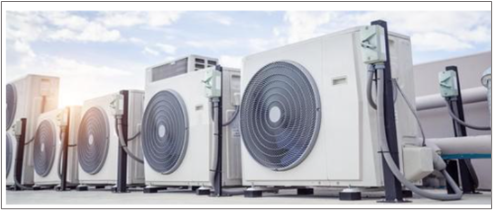
When it comes to infection prevention, what’s in the air matters. This month’s featured resources focus on healthcare airflow and ventilation, breaking down complex concepts into practical tools that are easy to use. Be sure to check the Regulation & Guidance Updates section for new information from the American Society of Heating, Refrigerating, and Air-Conditioning Engineers (ASHRAE) to stay current on the latest recommendations.
What to Expect
- ASHE Project Firstline Explainer Videos: Short, easy-to-share resource from American Society for Health Care Engineering (ASHE) that help facility managers and frontline staff understand the critical role ventilation plays in keeping healthcare environments safe. (English & Spanish)
- CDC Project Firstline Ventilation Factsheet: A clear, shareable overview of how ventilation supports infection control and helps reduce the spread of germs in healthcare settings. (English & Spanish)
- ASHE Ventilation Quick Guide FAQs: A plain-language reference with concise answers to common questions about ventilation and prevention in the healthcare environment. (English & Spanish)
How to use it:
- Walk-Through with Unit IP Champion: Have a charge nurse or IP do a 5-minute walk of the area looking for best practices and asking staff:
- “What should never be in front of an airflow vent?”
- “What rooms require doors closed?”
- Breakroom Air Facts Board: Post the CDC factsheet with a simple header like: “This room protects patients/residents too. Here’s how the air helps.”
- Play Rank That Risk!: Use airflow issues you found on rounds or create hypothetical risks you want staff to be aware of like a vent blocked by a trashcan, propped open door of an airborne isolation room, or a missing or open ceiling tile. Ask: “What’s the risk here?”
Target Audience: Intermediate IPC Education Level


EMS Infection Prevention Training: Expanding Education Across Virginia
Infection prevention is an important part of Emergency Medical Services (EMS) practice. However, many agencies have relaxed some infection control practices since the COVID-19 pandemic. To help address this need, David Keeler of the Tidewater EMS Council has added infection prevention training to their annual and quarterly EMS education programs.
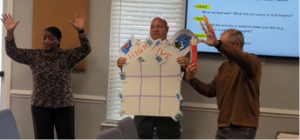
David partnered with Ginger Vanhoozer from the Virginia Department of Health to provide training for EMS professionals. Topics included everyday infection prevention practices, new infectious diseases, antibiotic resistance, MRSA, and other drug-resistant organisms. The sessions brought the topic to life with hands-on activities, including glow-in-the-dark demonstrations that showed how contamination can spread. These activities helped make the information easy to understand and remember.
The response from participants has been extremely positive. Attendees reported a 100% satisfaction rating and asked for more training opportunities, including additional foundational infection prevention education opportunities. By strengthening their infection prevention knowledge, EMS professionals can better protect themselves, their patients, and their communities.
Regional EMS councils throughout Virginia offer a great way to bring infection prevention information to providers.
How can I get involved with EMS education in my area?
To bring similar trainings to your area, contact your local EMS council to learn more. These councils can help organize educational events, connect EMS and healthcare partners, and support infection prevention efforts in their communities.
By working together, infection preventionists and EMS professionals can strengthen infection prevention practices across Virginia.
Find your EMS region and connect with your local EMS council.



