VIPTA is a statewide infection prevention and control education collaborative, led by the Virginia Healthcare-Associated Infections Advisory Group. Through partnership, VIPTA curates IPC resources for Virginia’s healthcare, congregate care, and public health settings.

Turning Explosive Headlines into Practical Prevention
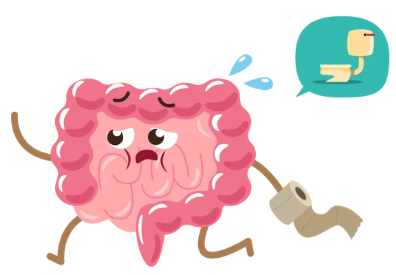
Cyclosporiasis has been making headlines lately. We can use that attention to spark interest in infection prevention. There is no current evidence that Virginia is experiencing an outbreak, but the recent “explosive” headlines are a good chance to remind healthcare staff about foundational infection prevention best practices.
What to Expect:
Virginia Monthly Morbidity Surveillance Report: See how cyclosporiasis and other reportable diseases compare with past years and seasonal trends in Virginia.
CDC Health Alert Network (HAN) – Health Advisory on Cyclosporiasis: The HAN shares updates about urgent public health events. Sign up for HAN alerts to stay up to date on the latest guidance and infection prevention recommendations.
Project Firstline’s How to Read a Disinfectant Label: Learn how to choose and use disinfectants the right way. Follow the label to make sure your cleaning and disinfection work, no matter which germ is making the headlines.
How to use it:
- Make local data meaningful. Share the Surveillance Report at your infection prevention committee meeting. Compare current disease activity with the usual baseline. Talk about what any changes could mean for your facility.
- Practice before it happens. Use CDC Health Alert Network (HAN) alerts as discussion starters. Ask, “What would we do if this happened here?” Review your plans for reporting, isolation, testing, and communication.
- Host a disinfectant scavenger hunt. Place several disinfectant products around the room. Challenge staff to use the Project Firstline “How to Read a Disinfectant Label” infographic to answer questions from each label. The first team to finish with the most correct answers wins.
Target Audience: Foundational & Intermediate IPC Education Level


Carilion Clinic’s Internship Program Prepares the Next Generation of Infection Preventionists
|
Carilion Clinic’s Infection Prevention and Control team is celebrating an innovative workforce development initiative: the Accelerated Internship Program for Infection Prevention and Control (IPC). Created to address the growing need for trained IPC professionals, the program offers aspiring infection preventionists and graduate students a structured, hands-on introduction to the field. The 10-week program includes 20 hours per week of core IPC learning. Interns build a strong foundation while applying concepts in real clinical settings. Topics include hand hygiene, standard and transmission-based precautions, healthcare-associated infection prevention, surveillance and reporting, regulatory readiness, environment of care, disinfection and sterilization, surgical services, microbiology, outbreak response, exposure management, and specialty care settings. |

The program’s practical design is one of its greatest strengths. Rather than learning only from reading, interns round with teams, observe surveillance processes, review dashboards, participate in environment of care activities, shadow sterile processing and laboratory workflows, explore outbreak response tools, and prepare department presentations. They also gain access to facility tools, policies, checklists, and national resources that support continued development. The internship is led by IP Savannah Butcher, MPH, who thoughtfully curates a meaningful learning experience. As she shares, “the most rewarding part of coordinating the internship program is mentoring students and helping them discover how impactful infection prevention is to patient safety and healthcare quality.” Cheers to Carilion Clinic’s IPC team for investing in future Infection Preventionists through a thoughtful model that combines mentorship, evidence-based practice, and real-world experience. Getting Started Tips
|