Virginia Infection Prevention & Control Training Alliance (VIPTA)

Upcoming Events


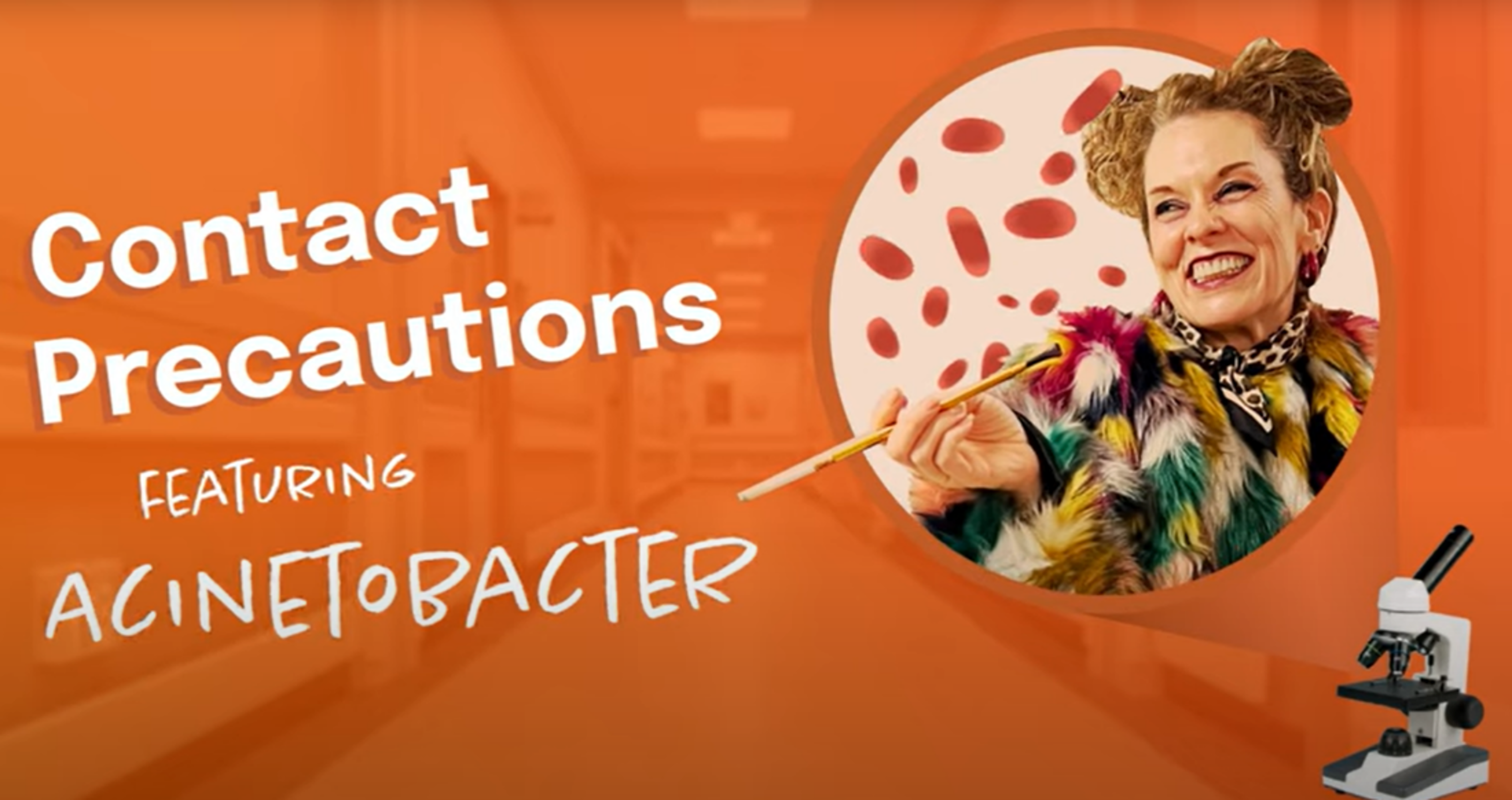
Contact Precautions Featuring Acinetobacter Promotional Image with Smiling Woman and Microscope

Short Training Videos from Virginia Infection Prevention Training Center (VIPTC)

VIPTC developed a series of infection prevention and control (IPC) educational videos for healthcare workers.  

  • Short videos (3-6 minutes in length) 
  • Fun and visually engaging for a fresh take on IPC topics 

Ways to Share this Resource

  • Great nuggets to drop into quick meetings, huddles, emails, or trainings 
  • Perfect for sharing during International Infection Prevention Week (October 15-21) 

Target Audience: Foundational to Intermediate IPC Education Levels 

Videos


Guidance, Recommendations, & Regulatory Updates

VIPTA members track guidance and regulation resources to share source documents that guide infection prevention and control practices for public health staff and clinical and non-clinical healthcare personnel.

The date of the regulation or guidance update is included in each post.  Please check linked content to be sure it is the most up to date and recommended practice.

CDC: Conjunctivitis (09/11/2026)
CDC
Any Practice Setting
The CDC recommends excluding healthcare personnel with suspected or confirmed infectious conjunctivitis, including epidemic keratoconjunctivitis (EKC), from work for the duration of their symptoms. These recommendations emphasize strict hand hygiene, appropriate cleaning and disinfection of surfaces and shared medical equipment, and prompt identification and management of cases to prevent transmission and healthcare-associated outbreaks.
CDC: Viral Respiratory Infections (09/11/2026)
CDC
Any Practice Setting
The CDC provides updated recommendations for managing healthcare personnel exposed to or infected with viral respiratory infections, including work restrictions, symptom monitoring, and source control. Asymptomatic exposed personnel may continue working with source control through at least five days after their last exposure, while infected personnel should be excluded from work for at least three days and meet additional symptom-based return-to-work criteria, followed by source control through at least day seven.
CDC: Preventing Respiratory Infections in the Workplace (08/28/2026)
CDC
Any Practice Setting
The CDC provides recommendations to help employers prevent and respond to respiratory infections in the workplace through improved ventilation, engineering controls, environmental cleaning and disinfection, and policies that encourage sick employees to stay home.  These recommendations also emphasize using respiratory illness surveillance data to inform workplace prevention strategies, including masking and remote work, to reduce transmission and protect employee health.

Society for Healthcare Epidemiology of America (SHEA)

Infection Prevention and Control of Candida auris in Pediatric Settings (6/23/2026) The guidance recommends identifying at-risk pediatric patients through targeted screening, using appropriate isolation and room-placement precautions, and coordinating closely with infection prevention and public health partners when Candida auris is suspected or confirmed. It also emphasizes prevention through meticulous hand hygiene, effective environmental cleaning and disinfection, and careful...


Henrico Doctors’ Hospital’s team of equipment cleaning techs was awarded a Cheers for Peers certificate for hard work and collaboration with the IP team.

Cheers for Every Infection Prevention Win

This month let’s shine a light on the best practices that add up to big wins. Infection prevention is a team sport, and October is a perfect time to celebrate the everyday wins that keep patients, residents, and staff safe. There’s a new Cheers for Peers award certificate you can download and use right now from VIPTA:  

A step-by-step guide to spread “cheer” this month.

  1. Pick a positive infection prevention accomplishment you want to celebrate.
  2. Customize and print the new Cheers for Peers certificate (or print a few blank ones to take on rounds).
  3. Share the certificate with a team member who is doing a great job preventing infections in your healthcare setting. Snap a picture if they’re ok with it.
  4. Brag on them on a unit board, your intranet, a team huddle, or any space meaningful to the recipient.
  5. (Optional) Share statewide by submitting to the VIPTA Cheers for Peers nomination form.

Cheers in Action: At Henrico Doctors’ Hospital, Infection Prevention has worked very closely with their equipment cleaning techs on hardwiring the process for cleaning and disinfecting of their neonatal intensive care unit isolettes. Infection Prevention awarded the team a Cheers for Peers certificate for all their hard work and collaboration with the IP team!

Looking for inspiration on what wins to celebrate? Take some of these ideas and tailor to your team’s accomplishments.

  • Hand Hygiene Hero: Perfect hand hygiene on a spot audit.
  • Infection-Free Milestone: A unit that stayed free of healthcare-associated infections for the month, six months, or a year.
  • Oral Care All-Stars: A unit has >90% oral care compliance to lower healthcare-associated pneumonia risk.
  • Environmental Services Excellence: Terminal clean passes (checklists or fluorescent-gel checks).
  • “Wipe Before We Walk” Award (Facilities/Maintenance): Tools cleaned and disinfected after work in a patient room.
  • Breathe-Easy Respiratory Infection Prevention Champions: Proper circuit handling and equipment disinfection across the board.

Try it and tell us how it went: Print a certificate, celebrate a win this month, and share your story. Submit a nomination to VIPTA and let us know what you tried, what worked, and how your team reacted. We cannot wait to cheer with you!



IPC Education & Training Library

Search the VIPTA library of curated infection prevention and control (IPC) education and training resources. The IPC Education & Training Resource Library includes state and national resources related to healthcare-associated infections, antimicrobial resistance and/or IPC. Visit the VIPTA FAQ page to learn more about VIPTA library content.


Connect With VIPTA