VIPTA is a statewide infection prevention and control education collaborative, led by the Virginia Healthcare-Associated Infections Advisory Group. Through partnership, VIPTA curates IPC resources for Virginia’s healthcare, congregate care, and public health settings.



Ready Before the Rush: Respiratory Disease Season Resources
Respiratory disease season is on the way. October is a great time to get prevention messages in front of staff, patients, and residents before respiratory illness activity picks up.
Check out the Guidance, Recommendations, & Regulatory Updates section for new respiratory disease season updates. Learn what’s new for sick or exposed healthcare workers and how to prevent the spread of respiratory diseases at your workplace.
Then, grab a few ready-to-use training tools to help your team put prevention into action.
What to Expect:
- VDH Respiratory Disease Resources: Find flyers, social media graphics, and healthy habits tools. You’ll also find vaccine information, flu materials, and more.
- CDC Respiratory Illness Season Toolkit: Find posters, handouts, social media graphics, and videos. Use them to help your team prepare for respiratory disease season.
- National Foundation for Infectious Diseases (NFID) Respiratory Disease Resources: Mix up your flu education with 30-second videos and graphics. You’ll also find the “Wild to Mild” campaign and an antiviral infographic.
Put it into Action:
- Start early. Add a reminder to your next staff huddle. Post one in a waiting area.
- Keep it quick. Show a short video at a meeting.
- Mix it up. Share a new message each week. Cover vaccines, healthy habits, symptoms, or treatment.
- Know what’s going around. Check Virginia respiratory disease data. Share key updates with your team.
Start now and keep it simple. You’ll have tools ready when you need them.
Target Audience: Foundational & Intermediate IPC Education Level

Cheers for Every Infection Prevention Win
This month let’s shine a light on the best practices that add up to big wins. Infection prevention is a team sport, and October is a perfect time to celebrate the everyday wins that keep patients, residents, and staff safe. There’s a new Cheers for Peers award certificate you can download and use right now from VIPTA:
A step-by-step guide to spread “cheer” this month.
- Pick a positive infection prevention accomplishment you want to celebrate.
- Customize and print the new Cheers for Peers certificate (or print a few blank ones to take on rounds).
- Share the certificate with a team member who is doing a great job preventing infections in your healthcare setting. Snap a picture if they’re ok with it.
- Brag on them on a unit board, your intranet, a team huddle, or any space meaningful to the recipient.
- (Optional) Share statewide by submitting to the VIPTA Cheers for Peers nomination form.
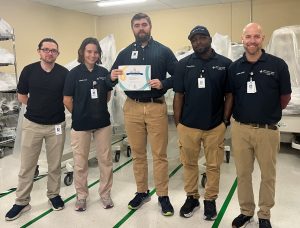
Cheers in Action: At Henrico Doctors’ Hospital, Infection Prevention has worked very closely with their equipment cleaning techs on hardwiring the process for cleaning and disinfecting of their neonatal intensive care unit isolettes. Infection Prevention awarded the team a Cheers for Peers certificate for all their hard work and collaboration with the IP team!
Looking for inspiration on what wins to celebrate? Take some of these ideas and tailor to your team’s accomplishments.
- Hand Hygiene Hero: Perfect hand hygiene on a spot audit.
- Infection-Free Milestone: A unit that stayed free of healthcare-associated infections for the month, six months, or a year.
- Oral Care All-Stars: A unit has >90% oral care compliance to lower healthcare-associated pneumonia risk.
- Environmental Services Excellence: Terminal clean passes (checklists or fluorescent-gel checks).
- “Wipe Before We Walk” Award (Facilities/Maintenance): Tools cleaned and disinfected after work in a patient room.
- Breathe-Easy Respiratory Infection Prevention Champions: Proper circuit handling and equipment disinfection across the board.
Try it and tell us how it went: Print a certificate, celebrate a win this month, and share your story. Submit a nomination to VIPTA and let us know what you tried, what worked, and how your team reacted. We cannot wait to cheer with you!