VIPTA is a statewide infection prevention and control education collaborative, led by the Virginia Healthcare-Associated Infections Advisory Group. Through partnership, VIPTA curates IPC resources for Virginia’s healthcare, congregate care, and public health settings.

Ready Before the Rush: Respiratory Disease Season Resources
Respiratory disease season is on the way. October is a great time to get prevention messages in front of staff, patients, and residents before respiratory illness activity picks up.
Check out the Guidance, Recommendations, & Regulatory Updates section for new respiratory disease season updates. Learn what’s new for sick or exposed healthcare workers and how to prevent the spread of respiratory diseases at your workplace.
Then, grab a few ready-to-use training tools to help your team put prevention into action.
What to Expect:
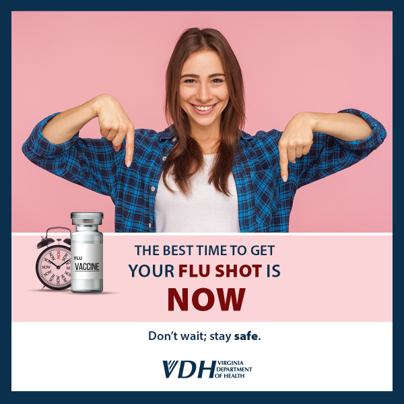
- VDH Respiratory Disease Resources: Find flyers, social media graphics, and healthy habits tools. You’ll also find vaccine information, flu materials, and more.
- CDC Respiratory Illness Season Toolkit: Find posters, handouts, social media graphics, and videos. Use them to help your team prepare for respiratory disease season.
- National Foundation for Infectious Diseases (NFID) Respiratory Disease Resources: Mix up your flu education with 30-second videos and graphics. You’ll also find the “Wild to Mild” campaign and an antiviral infographic.
Put it into Action:
- Start early. Add a reminder to your next staff huddle. Post one in a waiting area.
- Keep it quick. Show a short video at a meeting.
- Mix it up. Share a new message each week. Cover vaccines, healthy habits, symptoms, or treatment.
- Know what’s going around. Check Virginia respiratory disease data. Share key updates with your team.
Start now and keep it simple. You’ll have tools ready when you need them.
Target Audience: Foundational & Intermediate IPC Education Level

✨Alex Minero Shines at Loudoun’s First SNF Symposium
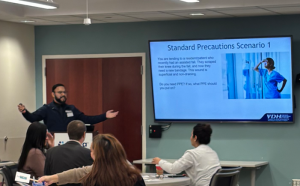
We are thrilled to celebrate Alexander Minero, the Northern Regional Infection Preventionist working on behalf of the Virginia Department of Health (VDH). In November, Alex participated in Loudoun County’s very first Skilled Nursing Facility (SNF) Symposium. This inaugural event, held in partnership with Inova Loudoun Hospital, brought together skilled nursing facilities, hospital partners, and public health professionals to build stronger connections and spark meaningful conversations about shared challenges and successes.
Alex brought his signature energy and educator magic to the day, leading two engaging sessions. The first, “Standard Precautions, Contact Precautions, Enhanced Barrier Precautions, Oh My!” invited participants to test their knowledge through interactive techniques that kept everyone on their toes. His second session, “Infection Prevention and Control Assessments and Site Visits,” helped demystify the assessment process and gave facilities confidence to strengthen their infection prevention practices.
When asked about his preparation for the event, Alex shared, “I think prep is definitely key. I reviewed my slides several times and even timed myself. Also prepping for questions helps because you are not caught off guard.” That focus on readiness showed. Participants were learning, laughing, and leaning in the entire time.
What makes Alex shine is his commitment to hands-on learning. Whether he is facilitating a regional training, conducting education in English or Spanish, troubleshooting environment of care problems on a site visit, or supporting a facility with tricky infection prevention questions, he brings positivity, collaboration, and a genuine desire to help teams succeed.
Thank you, Alex, for your enthusiasm, leadership, and dedication to the facilities you serve. Your support helps make our long-term care and healthcare communities stronger, safer, and better connected.
If your facility is interested in partnering with Alex or any of the VDH Regional Infection Preventionists, visit https://www.vdh.virginia.gov/haiar/ip/
Cheers to you, Alex! Keep up the amazing work.