VIPTA is a statewide infection prevention and control education collaborative, led by the Virginia Healthcare-Associated Infections Advisory Group. Through partnership, VIPTA curates IPC resources for Virginia’s healthcare, congregate care, and public health settings.

Ready Before the Rush: Respiratory Disease Season Resources
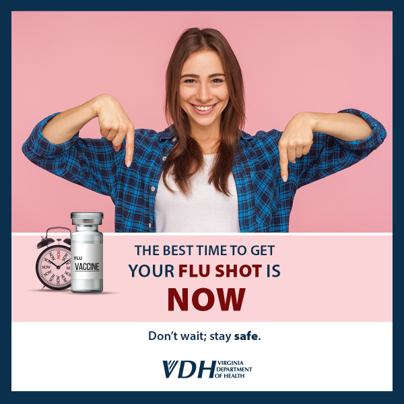
Respiratory disease season is on the way. October is a great time to get prevention messages in front of staff, patients, and residents before respiratory illness activity picks up.
Check out the Guidance, Recommendations, & Regulatory Updates section for new respiratory disease season updates. Learn what’s new for sick or exposed healthcare workers and how to prevent the spread of respiratory diseases at your workplace.
Then, grab a few ready-to-use training tools to help your team put prevention into action.
What to Expect:
- VDH Respiratory Disease Resources: Find flyers, social media graphics, and healthy habits tools. You’ll also find vaccine information, flu materials, and more.
- CDC Respiratory Illness Season Toolkit: Find posters, handouts, social media graphics, and videos. Use them to help your team prepare for respiratory disease season.
- National Foundation for Infectious Diseases (NFID) Respiratory Disease Resources: Mix up your flu education with 30-second videos and graphics. You’ll also find the “Wild to Mild” campaign and an antiviral infographic.
Put it into Action:
- Start early. Add a reminder to your next staff huddle. Post one in a waiting area.
- Keep it quick. Show a short video at a meeting.
- Mix it up. Share a new message each week. Cover vaccines, healthy habits, symptoms, or treatment.
- Know what’s going around. Check Virginia respiratory disease data. Share key updates with your team.
Start now and keep it simple. You’ll have tools ready when you need them.
Target Audience: Foundational & Intermediate IPC Education Level

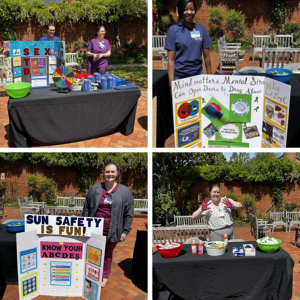
Carilion IPs Promote Health and Prevention at Hollins University
The Carilion Clinic Infection Prevention and Control team recently took part in an exceptional community outreach event at the annual Hollins University Student Health Fair on April 23, 2025, engaging directly with students and staff on important health topics.
Carilion’s Infection Preventionists (IPs) brought energy, expertise, and education to the event, delivering interactive presentations focused on:
- Hand hygiene
- Sun safety
- Sexual health and STD prevention
In an inspiring show of mentorship and collaboration, the IP team was joined by a student intern who contributed a powerful perspective on mental health, especially as it relates to substance abuse and infectious diseases such as Hepatitis C.
Together, the team connected with the Hollins community, reinforcing the importance of everyday practices that protect personal and public health. Their efforts reflect the vital role IPs play not only in healthcare settings, but also in community outreach and education.
Thank you to the Carilion IP team for your commitment to health promotion and prevention. Your involvement in events like this strengthens the bridge between healthcare and the communities we serve!