

VIPTA is a statewide infection prevention and control education collaborative, led by the Virginia Healthcare-Associated Infections Advisory Group. Through partnership, VIPTA curates IPC resources for Virginia’s healthcare, congregate care, and public health settings.


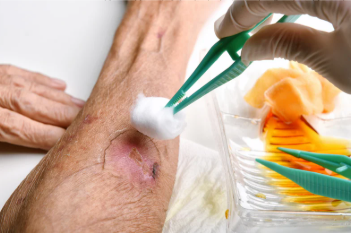
Wrap It Up: Infection Prevention Wound Care Resources
We’ve done the wrapping and you get to open the educational package! Whether you’re refreshing staff education, strengthening your wound care program, or looking for practical teaching tools, these free resources are ready to help you put infection prevention into practice.
What to Expect:
Wound Care Educational Handout: A colorful, easy-to-follow visual resource that highlights key infection prevention practices before, during, and after wound care.
TRAIN Virginia Wound Care Series: Start with “VDH: Wound Care Infection Risks and Your Infection Prevention Program” (Course ID 1127475) and continue through the full series exploring infection prevention principles, common infection transmission risks, and evidence-based practices through interactive scenarios and knowledge checks.
VDH Wound Care Infection Prevention and Control Guidance & Observation Tool: A ready-to-use observation checklist that you can use for audits, competency validation, and helps standardize wound care practices across your facility.
How to use it:
- Observe before you educate. Use the observation tool to identify your team’s strengths and opportunities, then tailor education to the practices you actually see instead of guessing where knowledge gaps exist.
- Make observations less intimidating. Use the checklist as a coaching tool rather than an audit, creating opportunities for real-time feedback and discussion.
- Who else should be trained? Anyone who assists during wound care, including nursing assistants and other healthcare personnel who provide an extra set of hands, should understand infection prevention practices that help protect the patient.
Target Audience: Foundational & Intermediate IPC Education Level


Reinforcing Healthy Behaviors: A Special Dialysis Christmas Shop at UVA Zions Crossroads
Promoting healthy habits in chronic disease patients can be challenging, but UVA Zions Crossroads Dialysis offers a creative example. Administrative Assistant S.P. and Registered Dietician K.G. planned and led a unique Dialysis Christmas Shop to encourage positive behaviors.
Planning and Participation: The event takes over a year to organize and requires stable staffing, so it isn’t held every year. About 90% of the shop’s items are new, sourced through yard sales, staff donations (often re-gifted), and include practical gifts like blenders, grills, jackets, tools, and children’s presents for grandparents.
Purpose and Pricing: Many dialysis patients have limited incomes, and the holidays can be stressful. Items are priced affordably so everyone can participate. Some patients even share leftover “dialysis dollars” to help others buy special gifts.
Earning ‘Dialysis Dollars’: Starting in September, patients earn ‘dialysis dollars’ by demonstrating healthy behaviors, including:
- Controlling phosphorus levels (monthly measured)
- Managing fluid intake (reviewed by K.G. over 7 treatments)
- Consistently attending dialysis sessions
- Staying for the full treatment time
- Completing an educational crossword puzzle
Patients can earn up to $15, and these dollars cannot be taken away, even if unexpected events occur (hospitalization, surgery, transportation issues). Education is provided on why these behaviors matter.
Impact: Three motivated patients earned the full $15 for shopping, and most of the 44 patients participated. Extra items were raffled off to spread holiday cheer.
This initiative shows that positive reinforcement can bring joy and promote health in a chronic disease community during the holidays.




