

VIPTA is a statewide infection prevention and control education collaborative, led by the Virginia Healthcare-Associated Infections Advisory Group. Through partnership, VIPTA curates IPC resources for Virginia’s healthcare, congregate care, and public health settings.


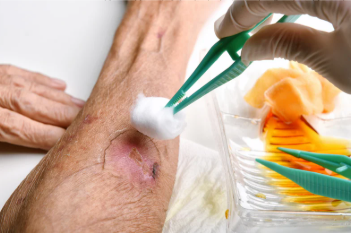
Wrap It Up: Infection Prevention Wound Care Resources
We’ve done the wrapping and you get to open the educational package! Whether you’re refreshing staff education, strengthening your wound care program, or looking for practical teaching tools, these free resources are ready to help you put infection prevention into practice.
What to Expect:
Wound Care Educational Handout: A colorful, easy-to-follow visual resource that highlights key infection prevention practices before, during, and after wound care.
TRAIN Virginia Wound Care Series: Start with “VDH: Wound Care Infection Risks and Your Infection Prevention Program” (Course ID 1127475) and continue through the full series exploring infection prevention principles, common infection transmission risks, and evidence-based practices through interactive scenarios and knowledge checks.
VDH Wound Care Infection Prevention and Control Guidance & Observation Tool: A ready-to-use observation checklist that you can use for audits, competency validation, and helps standardize wound care practices across your facility.
How to use it:
- Observe before you educate. Use the observation tool to identify your team’s strengths and opportunities, then tailor education to the practices you actually see instead of guessing where knowledge gaps exist.
- Make observations less intimidating. Use the checklist as a coaching tool rather than an audit, creating opportunities for real-time feedback and discussion.
- Who else should be trained? Anyone who assists during wound care, including nursing assistants and other healthcare personnel who provide an extra set of hands, should understand infection prevention practices that help protect the patient.
Target Audience: Foundational & Intermediate IPC Education Level



EMS Infection Prevention Training: Expanding Education Across Virginia
Infection prevention is an important part of Emergency Medical Services (EMS) practice. However, many agencies have relaxed some infection control practices since the COVID-19 pandemic. To help address this need, David Keeler of the Tidewater EMS Council has added infection prevention training to their annual and quarterly EMS education programs.
David partnered with Ginger Vanhoozer from the Virginia Department of Health to provide training for EMS professionals. Topics included everyday infection prevention practices, new infectious diseases, antibiotic resistance, MRSA, and other drug-resistant organisms. The sessions brought the topic to life with hands-on activities, including glow-in-the-dark demonstrations that showed how contamination can spread. These activities helped make the information easy to understand and remember.
The response from participants has been extremely positive. Attendees reported a 100% satisfaction rating and asked for more training opportunities, including additional foundational infection prevention education opportunities. By strengthening their infection prevention knowledge, EMS professionals can better protect themselves, their patients, and their communities.
Regional EMS councils throughout Virginia offer a great way to bring infection prevention information to providers.
How can I get involved with EMS education in my area?
To bring similar trainings to your area, contact your local EMS council to learn more. These councils can help organize educational events, connect EMS and healthcare partners, and support infection prevention efforts in their communities.
By working together, infection preventionists and EMS professionals can strengthen infection prevention practices across Virginia.
Find your EMS region and connect with your local EMS council.



