VIPTA is a statewide infection prevention and control education collaborative, led by the Virginia Healthcare-Associated Infections Advisory Group. Through partnership, VIPTA curates IPC resources for Virginia’s healthcare, congregate care, and public health settings.

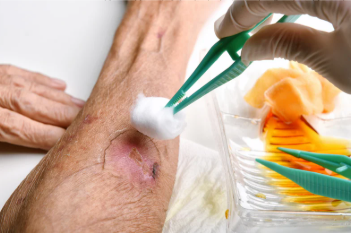
Wrap It Up: Infection Prevention Wound Care Resources
We’ve done the wrapping and you get to open the educational package! Whether you’re refreshing staff education, strengthening your wound care program, or looking for practical teaching tools, these free resources are ready to help you put infection prevention into practice.
What to Expect:
Wound Care Educational Handout: A colorful, easy-to-follow visual resource that highlights key infection prevention practices before, during, and after wound care.
TRAIN Virginia Wound Care Series: Start with “VDH: Wound Care Infection Risks and Your Infection Prevention Program” (Course ID 1127475) and continue through the full series exploring infection prevention principles, common infection transmission risks, and evidence-based practices through interactive scenarios and knowledge checks.
VDH Wound Care Infection Prevention and Control Guidance & Observation Tool: A ready-to-use observation checklist that you can use for audits, competency validation, and helps standardize wound care practices across your facility.
How to use it:
- Observe before you educate. Use the observation tool to identify your team’s strengths and opportunities, then tailor education to the practices you actually see instead of guessing where knowledge gaps exist.
- Make observations less intimidating. Use the checklist as a coaching tool rather than an audit, creating opportunities for real-time feedback and discussion.
- Who else should be trained? Anyone who assists during wound care, including nursing assistants and other healthcare personnel who provide an extra set of hands, should understand infection prevention practices that help protect the patient.
Target Audience: Foundational & Intermediate IPC Education Level



Celebrating Sue Moeslein’s Dedication to Mentorship
Susan (Sue) Moeslein is not just a leader in infection prevention, she’s a mentor shaping the next generation of professionals. With over 40 years in healthcare and 17 years as an infection preventionist (IP), Sue has been a steadfast advocate for patient safety and quality of care. With a diverse background spanning various healthcare settings and roles including infection prevention and care management, Sue has brought her wealth of experience to Health Quality Innovators (HQI).
Sue is passionate about mentoring the next generation of IPs. As co-chair of the APIC-Virginia/VDH IP Mentorship Program, she has been instrumental in the program’s success. Recognizing the challenges faced by early-career IPs, Sue played a key role in developing this structured, low-burden mentorship program. By pairing experienced IPs with newcomers, the program fosters professional growth, enhances knowledge sharing, and standardizes best practices across the field. Sue’s dedication helped create a scalable model that supports both mentors and mentees while reducing the workload on seasoned professionals.
Thanks to her efforts, the mentorship program has seen high engagement, strong retention rates, and overwhelmingly positive feedback from participants. With structured learning modules, interactive discussions, and continuing education credits, mentees gain the skills and confidence needed to excel in infection prevention.
Sue’s passion for mentorship embodies the spirit of collaboration and leadership. Her work ensures that infection prevention professionals across Virginia are supported, empowered, and prepared for success.
Fun Facts About Sue
- Celebrating her 43rd wedding anniversary this year
- Has 3 grandchildren
- Registered nurse for 42 years
- In her spare time, she loves to quilt (and is very good at it)