Virginia Infection Prevention & Control Training Alliance (VIPTA)

Upcoming Events


Time to Fall in Love with Measles Prevention

This Valentine’s season is a good time to revisit one of infection prevention’s most reliable love stories: the partnership between measles vaccination and early public health response. 

In 2025, the United States saw the highest number of measles cases in more than 30 years, with more than 2,200 people sickened and three deaths reported. After decades of progress, measles is once again reminding us why consistent prevention efforts still matter. 

What to Expect: 

How to use it: 

  • Build a microlearning moment.
    Choose one resource per week to review briefly during staff meetings, huddles, or shift change to reinforce key prevention concepts without adding time burden. 
  • Strengthen onboarding and refreshers.
    Incorporate these resources into onboarding or annual education to reinforce measles prevention, vaccination importance, and early response expectations. 
  • Practice vaccine conversations.
    Pair the Measles Myths and Facts factsheet with role-play or discussion to help staff practice responding to common questions or misconceptions with clear, evidence-based messages. 

This Valentine’s Day, fall back in love with measles prevention and the tools that help keep everyone safer. 

Target Audience: Essential IPC Education Level 

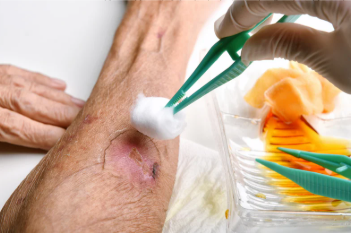
Decorative Image from Canva


Guidance & Regulation Updates

VIPTA members track guidance and regulation resources to share source documents that guide infection prevention and control practices for public health staff and clinical and non-clinical healthcare personnel.

The date of the regulation or guidance update is included in each post.  Please check linked content to be sure it is the most up to date and recommended practice.

CDC: Core Elements of Hospital Diagnostic Excellence (DxEx) (February 4, 2026)
CDC
Acute Care Hospital
Acute Care Rehabilitation or Long-Term Care Acute Hospital (LTACH)
Assisted Living Facility (ALF)
Department of Health
Hospice and Palliative Care
Nursing Home / Skilled Nursing Facility (SNF)
Core Elements of Hospital Diagnostic Excellence (DxEx) (February 4, 2026) The Diagnostic excellence (DxEx) provides guidance to implement actionable strategies within hospitals to enhance diagnostic accuracy through improved diagnostic reasoning, testing methodologies, and communication processes, ultimately elevating patient safety standards. It encourages the implementation of systematic approaches and evidence-based practices for improving diagnostic processes, ultimately aiming to reduce errors and increase patient safety across healthcare settings.
CDC: Clostridioides difficile Infection (CDI) Surveillance (March 19, 2026)
CDC
Any Practice Setting
Department of Health
Surveillance
Clostridioides difficile Infection (CDI) Surveillance (March 19, 2026) The guidance on Clostridioides difficile (C. diff) emphasizes the importance of implementing prevention strategies, including appropriate antibiotic use, enhanced infection control practices, and patient education to reduce the incidence of C. diff infections in healthcare settings. It highlights the role of the Emerging Infections Program (EIP) in monitoring C. diff cases, promoting research on infection trends, and improving response efforts to effectively manage outbreaks and improve patient care.
VDH: Clinician Letter – Updates on Virginia Department of Health Vaccine Recommendations (2/19/2026)
VDH
Department of Health
Pediatric / NICU
Vaccination
Clinician Letter: Updates on Virginia Department of Health Vaccine Recommendations (2/19/2026) The clinician letter reports that Virginia recommends continued use of the American Academy of Pediatrics 2026 immunization schedule despite recent federal changes, emphasizing that current vaccine guidance should remain grounded in established scientific evidence and clinical best practices. The letter also states that there are no changes to Virginia school immunization requirements and urges clinicians to continue offering recommended vaccines and use clinical judgment in shared decision-making with patients and families.
CDC: Considerations for Reducing Risk – Water in Healthcare Facilities (2/6/2026)
CDC
Any Practice Setting
Water Management
Centers for Disease Control and Prevention (CDC) Considerations for Reducing Risk: Water in Healthcare Facilities (February 6, 2026) CDC recommends establishing a water management program that identifies risk areas in a facility’s water system and implements controls to prevent harmful pathogens like Legionella. The program should be routinely monitored, documented, and adjusted to ensure it remains effective and responsive to changing conditions.
ASHRAE: Ventilation of Healthcare Facilities (2/16/2026)
Any Practice Setting
Air Quality
Ventilator
The American Society of Heating, Refrigerating, and Air-Conditioning Engineers (ASHRAE)  Ventilation of Healthcare Facilities (02/16/2026)   The 2025 edition of ANSI/ASHRAE/ASHE Standard 170 outlines minimum ventilation requirements for health care facilities, emphasizing compliance and best practices for HVAC system design.  Key updates include the option for natural ventilation, total outdoor air calculations for combined spaces, and clarified requirements for imaging and outpatient areas. 

Image of Eva Anderson, VCU Health IP (left) and Ginger Vanhoozer, VDH IPC Educator (right).

Cuppa Tea with an IP

Let’s raise a mug and celebrate the one-year anniversary of the Virginia Department of Health’s Cuppa Tea with an IP weekly meeting! It’s been a year of forging connections and sharing knowledge among infection prevention pros, all thanks to Cuppa Tea. Inspired by the cozy chats over tea (or coffee!) between Ginger Vanhoozer from the VDH HAI & AR Program and Eva Anderson an IP at VCU Health (shoutout to Eva for the awesome name!), Cuppa Tea has become the go-to hangout for IP enthusiasts.

Forget stuffy office vibes—Cuppa Tea was designed to feel like a laid-back coffee shop catch-up. With tunes setting the mood before each meeting, you’ll feel the camaraderie and warmth that make sharing ideas a breeze. And can we talk numbers? In its debut year, Cuppa Tea drew in 1,397 attendees, with many making it a weekly tradition.

But Cuppa Tea isn’t just about the numbers—it’s about the positive vibes. It’s your weekly quick check-in for the latest infection prevention updates, a chance to pick up some educational nuggets, and a safe space for bouncing ideas off fellow IPs and VDH subject matter experts. Participants have called it “a fun and interactive way to stay in the loop,” “like catching up with old friends who know their stuff,” and “a breath of fresh air for IPs in Virginia.” With its easy-to-digest format and treasure trove of resources, Cuppa Tea has become a staple in the calendars of healthcare professionals across Virginia.

To grab your mug and join this group any Wednesday at 2pm, get your invite at the VDH HAI & AR Training and Education website or at the Cuppa Tea registration link. Here’s to another year of meaningful connections, shared insights, and many more cups of tea (or coffee) with colleagues and friends! Cheers to Cuppa Tea with an IP!


IPC Education & Training Library

Search the VIPTA library of curated infection prevention and control (IPC) education and training resources. The IPC Education & Training Resource Library includes state and national resources related to healthcare-associated infections, antimicrobial resistance and/or IPC. Visit the VIPTA FAQ page to learn more about VIPTA library content.


Connect With VIPTA