

VIPTA is a statewide infection prevention and control education collaborative, led by the Virginia Healthcare-Associated Infections Advisory Group. Through partnership, VIPTA curates IPC resources for Virginia’s healthcare, congregate care, and public health settings.


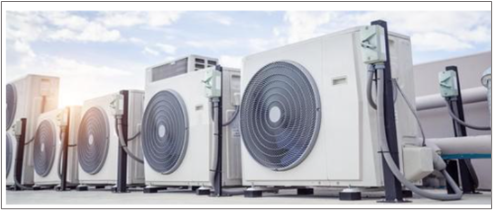
Healthcare Ventilation Can Really Blow
When it comes to infection prevention, what’s in the air matters. This month’s featured resources focus on healthcare airflow and ventilation, breaking down complex concepts into practical tools that are easy to use. Be sure to check the Regulation & Guidance Updates section for new information from the American Society of Heating, Refrigerating, and Air-Conditioning Engineers (ASHRAE) to stay current on the latest recommendations.
What to Expect
- ASHE Project Firstline Explainer Videos: Short, easy-to-share resource from American Society for Health Care Engineering (ASHE) that help facility managers and frontline staff understand the critical role ventilation plays in keeping healthcare environments safe. (English & Spanish)
- CDC Project Firstline Ventilation Factsheet: A clear, shareable overview of how ventilation supports infection control and helps reduce the spread of germs in healthcare settings. (English & Spanish)
- ASHE Ventilation Quick Guide FAQs: A plain-language reference with concise answers to common questions about ventilation and prevention in the healthcare environment. (English & Spanish)
How to use it:
- Walk-Through with Unit IP Champion: Have a charge nurse or IP do a 5-minute walk of the area looking for best practices and asking staff:
- “What should never be in front of an airflow vent?”
- “What rooms require doors closed?”
- Breakroom Air Facts Board: Post the CDC factsheet with a simple header like: “This room protects patients/residents too. Here’s how the air helps.”
- Play Rank That Risk!: Use airflow issues you found on rounds or create hypothetical risks you want staff to be aware of like a vent blocked by a trashcan, propped open door of an airborne isolation room, or a missing or open ceiling tile. Ask: “What’s the risk here?”
Target Audience: Intermediate IPC Education Level


Reinforcing Healthy Behaviors: A Special Dialysis Christmas Shop at UVA Zions Crossroads
Promoting healthy habits in chronic disease patients can be challenging, but UVA Zions Crossroads Dialysis offers a creative example. Administrative Assistant S.P. and Registered Dietician K.G. planned and led a unique Dialysis Christmas Shop to encourage positive behaviors.
Planning and Participation: The event takes over a year to organize and requires stable staffing, so it isn’t held every year. About 90% of the shop’s items are new, sourced through yard sales, staff donations (often re-gifted), and include practical gifts like blenders, grills, jackets, tools, and children’s presents for grandparents.
Purpose and Pricing: Many dialysis patients have limited incomes, and the holidays can be stressful. Items are priced affordably so everyone can participate. Some patients even share leftover “dialysis dollars” to help others buy special gifts.
Earning ‘Dialysis Dollars’: Starting in September, patients earn ‘dialysis dollars’ by demonstrating healthy behaviors, including:
- Controlling phosphorus levels (monthly measured)
- Managing fluid intake (reviewed by K.G. over 7 treatments)
- Consistently attending dialysis sessions
- Staying for the full treatment time
- Completing an educational crossword puzzle
Patients can earn up to $15, and these dollars cannot be taken away, even if unexpected events occur (hospitalization, surgery, transportation issues). Education is provided on why these behaviors matter.
Impact: Three motivated patients earned the full $15 for shopping, and most of the 44 patients participated. Extra items were raffled off to spread holiday cheer.
This initiative shows that positive reinforcement can bring joy and promote health in a chronic disease community during the holidays.




