

Maternal health remains a critical issue in Virginia. From 2019 to 2023, Virginia experienced 34.5 maternal deaths per 100,000 live births, and healthcare experts consider many of these deaths preventable. Additionally, significant disparities persist across communities. Black women in Virginia face more than twice the risk of dying from pregnancy-related causes compared to White women.
Access to care also presents a major challenge. Currently, 31% of Virginia counties qualify as maternity care deserts, leaving many families with limited or no access to maternity services. For more information about maternal health trends and outcomes across the Commonwealth, visit the VDH Maternal Health Dashboard.
Why is maternal health important?
Maternal health directly influences the well-being of both parents and babies. Across Virginia:
- Nearly 10% of births occur preterm, increasing the likelihood of long-term health challenges for infants.
- Many pregnancy-related deaths happen weeks or even months after delivery, emphasizing the importance of ongoing support during the postpartum period.
- In some communities, delayed prenatal care or a lack of prenatal care contributes to higher health risks for both parents and infants.
Fortunately, communities can improve many of these outcomes by providing strong support systems, such as MCH Community Health Workers (CHWs), that connect families with resources, education, and care throughout pregnancy and beyond.
_______________________________________________________________________________________________________________________________________________
Baby Care Program
The Baby Care Home Visiting Program supports families during pregnancy and after birth through in-home visits with a Registered Nurse. Through personalized education and guidance, the program promotes healthy pregnancies, safe infant care practices, and positive early childhood development. Visit BabyCare - Pregnancy to learn more.
 Services include:
- Receive prenatal education and support throughout pregnancy.
- Prepare for labor and delivery through childbirth education.
- Learn about breastfeeding, infant feeding, and nutrition.
- Access guidance on postpartum health, recovery, and wellness.
- Gain information about newborn care and infant development.
- Connect with community programs and supportive resources.
- Improve child safety through car seat and safe sleep education.
_______________________________________________________________________________________________________________________________________________
Safe Sleep Crib Program
Safe sleep practices play a critical role in protecting infants during their most vulnerable months. Through education and guidance, we help families learn how to create a safe sleep environment and reduce the risk of sleep-related infant deaths. More available online at Safe to Sleep.

In addition to education, staff screen participants for eligibility to receive a free portable crib. This support helps ensure every infant has a safe and appropriate place to sleep at home. Furthermore, the program combines safe sleep education with child passenger safety information to promote the health and well-being of children from birth through early childhood.
Participants learn evidence-based infant safe sleep practices that help reduce the risk of Sudden Infant Death Syndrome (SIDS) and other sleep-related infant deaths. Pregnant and postpartum individuals, along with their families, may attend these classes. All classes are offered in person.
Safe Sleep Resources:
- For parents: The Safe Sleep Academy from Cribs for Kids offers short videos on a variety of sleep-related topics, including infant safety and what to expect during different stages of a baby's development.
- For parents and providers: Learn more about SIDS and Sudden Unexpected Infant Death (SUID), and access free patient education materials in multiple languages and formats.
Eligibility for a Free Portable Crib
Qualifications for a free portable crib are:
- Reside within the West Piedmont Health District.
- Qualify for Medicaid, WIC, FAMIS, or meet program income eligibility guidelines.
- If serving in the military, meet income guidelines (or another eligibility requirement) and provide proof of residence within the West Piedmont Health District.
- Be the child's parent, legal guardian, or foster parent and provide appropriate documentation.
- Be at least 28 weeks pregnant (7 months) or have an infant younger than six months of age.
- Lack a safe sleep space for the infant, such as a crib, bassinet, or Pack 'n Play.
- If the infant has already been born, ensure the child is less than 35 inches tall and weighs less than 30 pounds.
- Attend a Safe Sleep class and complete all required program documents.
_______________________________________________________________________________________________________________________________________________
Car Seat Classes
The Car Seat Program provides eligible Virginia families with access to child passenger safety education and, upon program completion, a free car seat. To receive a car seat, participants complete a hybrid program that combines online education with an in-person car seat installation appointment.
After successfully completing all requirements, eligible participants may receive one convertible or booster seat for each qualifying child. Additionally, participants attend a two-hour class that covers proper car seat installation, usage, and child passenger safety best practices. Eligibility information is available in both English and Spanish.
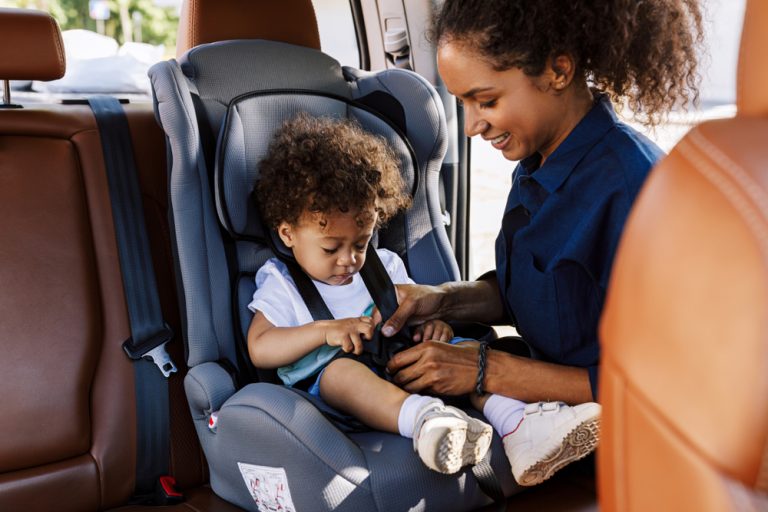
To qualify, applicants must:
- Reside in Virginia. Citizenship is not required, although some local programs may require proof of residency within the service area.
- Be the parent, legal guardian, or foster parent of the child. Documentation may be required to verify guardianship.
- Participate in Medicaid, WIC, FAMIS, TANF, SNAP, or another approved income-based program, or meet established income guidelines.
- Apply for a child during the third trimester of pregnancy through seven years of age. Applications for unborn children are accepted beginning at 28 weeks of pregnancy.
- Ensure the child meets the height, weight, and age requirements specified by the child safety seat manufacturer.
- Complete all required child passenger safety education and training.
- Sign a waiver and release of liability form.
Additional program information:
- The program may provide one child safety seat per eligible child.
- Families expecting multiples, such as twins, may need to provide additional documentation from a healthcare provider.
- Only the approved applicant may pick up the child safety seat.
- Military families may apply and must meet the same eligibility requirements, including income and residency verification when applicable.
_______________________________________________________________________________________________________________________________________________
Moms Under Pressure
Moms Under Pressure helps participants monitor and manage blood pressure during pregnancy and the postpartum period. By promoting early identification of potential concerns, the program aims to reduce complications associated with hypertension and preeclampsia.
To learn more, visit Moms Under Pressure.
Participants must:
- Be at least 18 years of age
- Currently pregnant or within one year postpartum
Participants receive:
- A blood pressure monitoring kit for home use.
- Education about warning signs associated with high blood pressure and related conditions.
- Guidance on when to seek medical care.
- Ongoing support from Community Health Workers to encourage consistent monitoring and appointment attendance.
_______________________________________________________________________________________________________________________________________________
Breastfeeding/Chestfeeding/Lactation Support Program
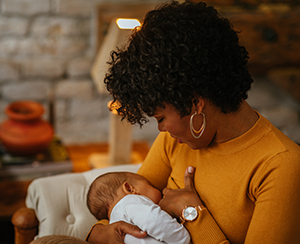
Every family's feeding journey is unique and influenced by individual needs, support systems, and personal goals. For those who choose to breastfeed or chestfeed, early preparation and education can help build confidence and support a successful experience.
To assist families throughout their feeding journey, local health departments and community partners offer both in-person and virtual breastfeeding resources. These services provide information, encouragement, and practical support tailored to each family's needs. Breastfeeding resources
Participants receive:
-
Connections to breastfeeding peer counselors.
- Nutrition education and information about WIC benefits.
- Guidance on when to seek medical care.
- Referrals to local and virtual lactation support resources.
_______________________________________________________________________________________________________________________________________________
MCH CHW
Community Health Workers (CHWs) serve as trusted professionals who help individuals access healthcare services, community resources, and health education. Because many CHWs live and work in the communities they serve, they can provide culturally responsive support and guidance throughout pregnancy, postpartum recovery, and early childhood.
How CHWs Support Maternal Health
CHWs assist families by:
- Navigating healthcare systems and medical appointments.
- Connecting individuals with community resources such as housing, food assistance, insurance, and transportation services.
- Providing health education and reliable information.
- Offering encouragement, advocacy, and emotional support.
- Helping families identify and overcome barriers to care

_______________________________________________________________________________________________________________________________________________
Other Services
Newborn Screening - Our staff provide newborn screening services for infants who were not tested at the hospital or who require repeat screening.
Immunizations - Local health departments offer immunizations for infants and children. To learn about clinic hours, available services, and appointment scheduling, contact your local health department.