
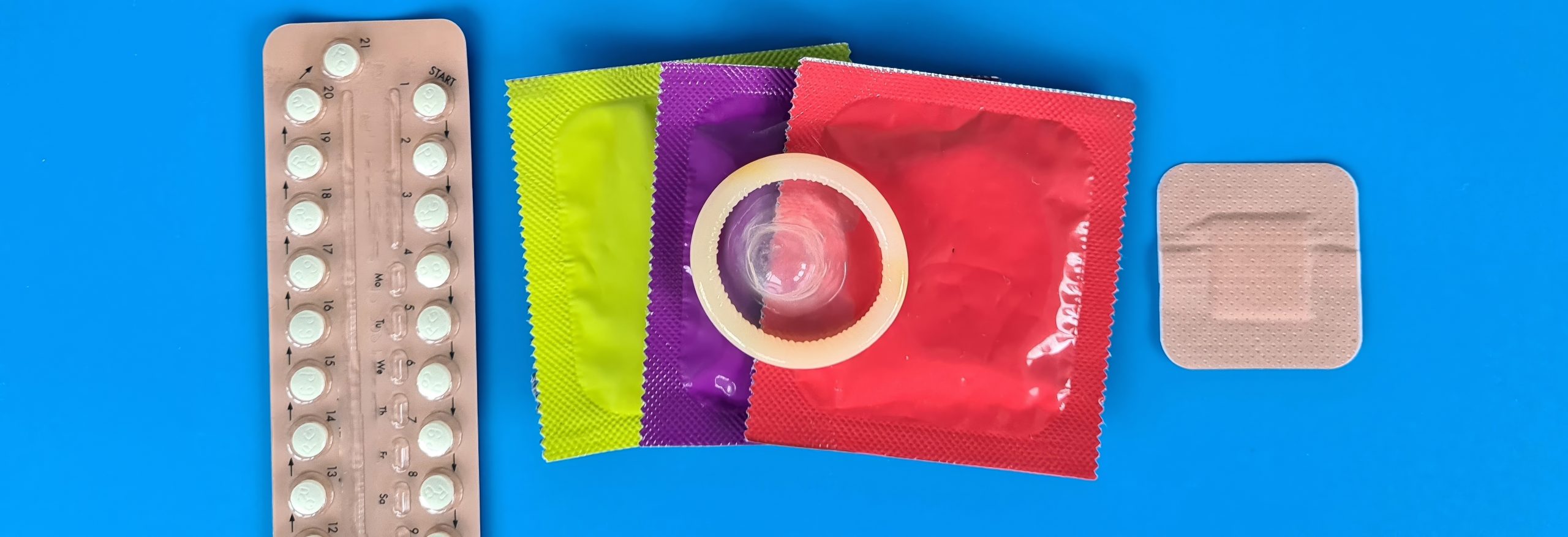
Planning if and when to have a child is important for your health and well-being. Spacing pregnancies is also important for your health and well-being. Learn more by visiting our VDH Family Planning website.
Below are resources on family planning, birth control, and sexually transmitted infections (STIs).
I am interested in family planning, birth control, and sexually transmitted infections (STIs) services from a medical professional. Where do I go?
There are currently over 110 clinics in the state that can provide free or reduced-cost birth control methods. These clinics also offer other basic public health services.
Title X (pronounced “ten”) clinics offer family planning and reproductive health services on a sliding scale. Services include:
- Birth control
- Testing and treatment for sexually transmitted infections (STIs)
- Cancer screenings
Everyone is eligible for Title X services. No one will be turned away for an inability to pay. Find a clinic near you.
The Contraceptive Access Initiative (CAI) clinics offer free or low-cost family planning and reproductive health services to people without insurance and low incomes. Check out the list of participating clinics. CAI is a state-funded program run by VDH. It is intended to increase access to contraception in the state and help reduce unintended pregnancies.
How else can I access emergency contraception (e.g., Plan B) and birth control?
Emergency contraception (EC) can be used 3-5 days after unprotected sex to decrease the chance of pregnancy:
- Plan B is an example of EC.
- EC is available over-the-counter at pharmacies and retailers such as Walmart, Target, CVS, Rite Aid, and Walgreens.
- If you would like to use Medicaid or insurance to cover the costs, your provider can write you a prescription for EC.
Opill is a safe, over-the-counter, FDA-approved birth control pill option.
- You can get Opill without a prescription. You will likely have to pay out of pocket without a prescription.
- You can buy Opill at stores such as Walmart, Amazon, Target, CVS, Walgreens, and Costco.
- Find where they sell Opill near you.
- Most insurance will cover Opill with a prescription.
In Virginia, pharmacists can prescribe birth control as well. VDH is currently working on developing a list of these pharmacists – check back soon.
Local Health Department clinics offer free condoms. Find a local health district near you.
Condoms are also available over the counter. If you would like to use Medicaid or insurance to cover the costs, your provider can write you a prescription.
How else can I access STI testing?
The Virginia Department of Health offers free or low-cost testing throughout the state for:
- STIs
- HIV
- Mpox
- Viral hepatitis
Testing is often available at the following locations:
- Local health departments
- Healthcare clinics
- Community-based organizations
- Pharmacies
Learn more about HIV and STD testing and where you can get tested.
Virginians can order a free HIV self-test to be shipped to your home! Find out if you’re eligible.
What STIs can impact my pregnancy?
People who are sexually active can be at risk for syphilis. A syphilis infection in the mother can be very serious during pregnancy and can lead to a baby having congenital syphilis. Congenital syphilis can cause:
- pregnancy loss
- stillbirth
- preterm birth (a baby to be born too early)
- low birth weight
- infant death soon after birth
Speak with your healthcare provider about getting tested for syphilis during pregnancy. Learn more about congenital syphilis from the CDC.
I do not have health care insurance to cover birth control and STI testing. What do I do?
Need insurance? You may be eligible for Medicaid, FAMIS, or Plan First. These cover a variety of services such as:
- pap tests
- STI testing
- birth control
- sterilization procedures
Find out if you qualify for Medicaid, FAMIS, Plan First, or other free insurance programs here.
If you do not qualify for Medicaid and do not have health insurance, consider checking the Health Insurance Marketplace.