VIPTA is a statewide infection prevention and control education collaborative, led by the Virginia Healthcare-Associated Infections Advisory Group. Through partnership, VIPTA curates IPC resources for Virginia’s healthcare, congregate care, and public health settings.

Winter Reminder: Ice Safety Goes Beyond the Sidewalk
Winter means watching your step outside, scanning sidewalks and parking lots for patches of ice. But in healthcare settings, ice deserves just as much caution indoors as it does outdoors. From ice machines to scoops and storage bins, ice can become a hidden source of germs if it’s not handled carefully.
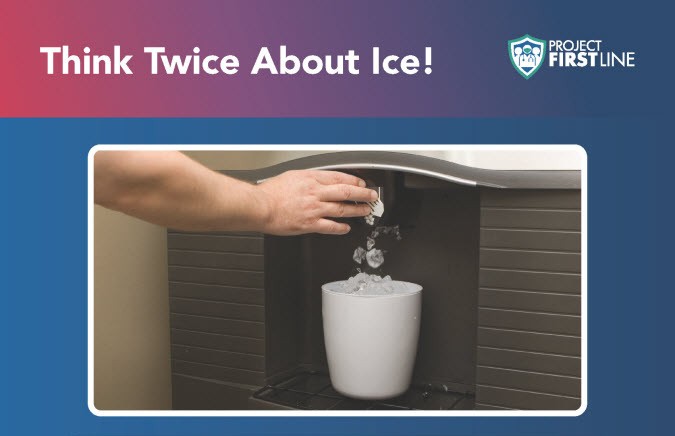
The CDC Project Firstline “Think Twice About Ice” micro-learn offers an easy-to-use training resource with a facilitator discussion guide and an educational handout.
How to use it
- Tie-in to Facility Protocols: Connect the micro-learn’s points to your facility’s infection control policies. For example, clarify who is responsible for cleaning and maintaining ice machines and how often equipment should be disinfected.
- Post the Job Aid: Print the one-page job aid and place it on breakroom boards, near staff lounges, or by ice machines. Visual reminders reinforce key actions like washing hands before handling ice and using clean scoops and containers.
Target Audience: Essential IPC Education Level

Carilion Clinic’s Internship Program Prepares the Next Generation of Infection Preventionists
|
Carilion Clinic’s Infection Prevention and Control team is celebrating an innovative workforce development initiative: the Accelerated Internship Program for Infection Prevention and Control (IPC). Created to address the growing need for trained IPC professionals, the program offers aspiring infection preventionists and graduate students a structured, hands-on introduction to the field. The 10-week program includes 20 hours per week of core IPC learning. Interns build a strong foundation while applying concepts in real clinical settings. Topics include hand hygiene, standard and transmission-based precautions, healthcare-associated infection prevention, surveillance and reporting, regulatory readiness, environment of care, disinfection and sterilization, surgical services, microbiology, outbreak response, exposure management, and specialty care settings. |

The program’s practical design is one of its greatest strengths. Rather than learning only from reading, interns round with teams, observe surveillance processes, review dashboards, participate in environment of care activities, shadow sterile processing and laboratory workflows, explore outbreak response tools, and prepare department presentations. They also gain access to facility tools, policies, checklists, and national resources that support continued development. The internship is led by IP Savannah Butcher, MPH, who thoughtfully curates a meaningful learning experience. As she shares, “the most rewarding part of coordinating the internship program is mentoring students and helping them discover how impactful infection prevention is to patient safety and healthcare quality.” Cheers to Carilion Clinic’s IPC team for investing in future Infection Preventionists through a thoughtful model that combines mentorship, evidence-based practice, and real-world experience. Getting Started Tips
|