VIPTA is a statewide infection prevention and control education collaborative, led by the Virginia Healthcare-Associated Infections Advisory Group. Through partnership, VIPTA curates IPC resources for Virginia’s healthcare, congregate care, and public health settings.


?Let’s Throw an Infection Prevention Party!
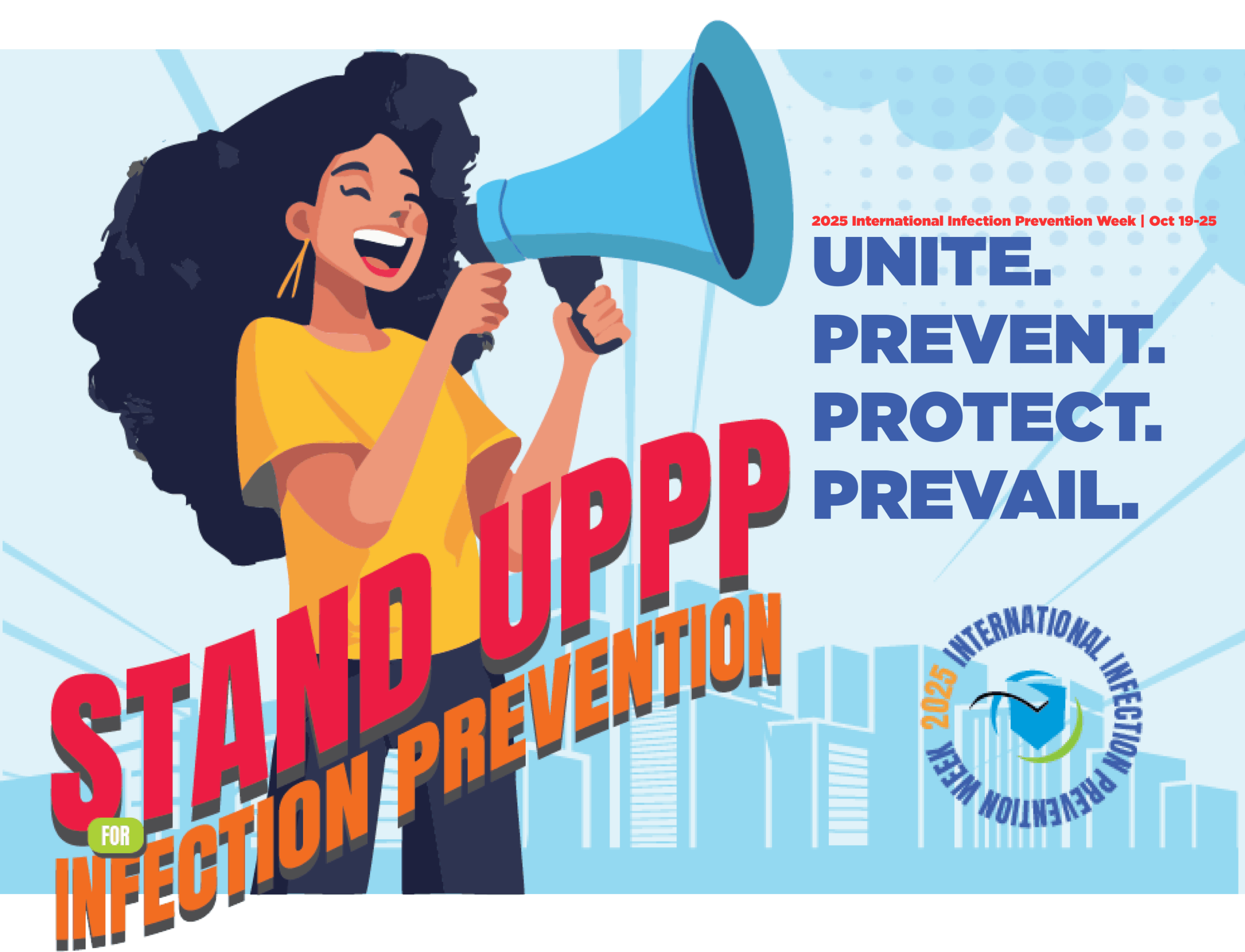
International Infection Prevention Week (IIPW) is October 19–25 and a great reason to have a party! A simple way to add flare to your celebration is with the brand-new Cheers for Peers certificate. It’s a ready-to-use tool that makes it easy to spotlight the everyday wins that keep patients, residents, and staff safe. You can hand one out during a huddle, post it on a breakroom bulletin board, or make it part of a bigger party.
Free Tools to Bring the Fun: The Association for Professionals in Infection Control and Epidemiology (APIC) makes it easy to host your own celebration. The IIPW toolkit offers:
- Fun graphics and posters to brighten up your space.
- Ready-to-use PowerPoint slides to add flair to your next huddle or staff meeting.
- Promotional videos and infographics that spark conversation.
- Daily themes and games to keep the energy high all week long.
Explore and download resources at: Infection Prevention and You.
Party Ideas for Your Team
- Kick off the week by surprising a unit with balloons, snacks, and a quick game.
- Hand out Cheers for Peers certificates to celebrate a champion of healthcare infection prevention, an infection-free milestone, great hand hygiene audits, or a colleague who consistently models best practices.
Puzzle It Out! Want to add an extra layer of fun? Create your own infection prevention puzzles for staff to solve using a free site like Puzzel.org. Imagine sending someone a crossword or jigsaw puzzle that, when solved, reveals: “You won a Cheers for Peers award!”
Why It Matters: Celebrating infection prevention wins is more than just fun — it can boost morale and remind your team that every effort counts. As we head into the busy fall respiratory season, a little joy goes a long way in keeping spirits high.
So, gather your balloons, download your graphics, and throw an infection prevention party this IIPW. And don’t forget to share your celebrations with VIPTA, we’d love to cheer alongside you!
Target Audience: Essential IPC Education Level


Carilion Clinic’s Internship Program Prepares the Next Generation of Infection Preventionists
|
Carilion Clinic’s Infection Prevention and Control team is celebrating an innovative workforce development initiative: the Accelerated Internship Program for Infection Prevention and Control (IPC). Created to address the growing need for trained IPC professionals, the program offers aspiring infection preventionists and graduate students a structured, hands-on introduction to the field. The 10-week program includes 20 hours per week of core IPC learning. Interns build a strong foundation while applying concepts in real clinical settings. Topics include hand hygiene, standard and transmission-based precautions, healthcare-associated infection prevention, surveillance and reporting, regulatory readiness, environment of care, disinfection and sterilization, surgical services, microbiology, outbreak response, exposure management, and specialty care settings. |

The program’s practical design is one of its greatest strengths. Rather than learning only from reading, interns round with teams, observe surveillance processes, review dashboards, participate in environment of care activities, shadow sterile processing and laboratory workflows, explore outbreak response tools, and prepare department presentations. They also gain access to facility tools, policies, checklists, and national resources that support continued development. The internship is led by IP Savannah Butcher, MPH, who thoughtfully curates a meaningful learning experience. As she shares, “the most rewarding part of coordinating the internship program is mentoring students and helping them discover how impactful infection prevention is to patient safety and healthcare quality.” Cheers to Carilion Clinic’s IPC team for investing in future Infection Preventionists through a thoughtful model that combines mentorship, evidence-based practice, and real-world experience. Getting Started Tips
|