VIPTA is a statewide infection prevention and control education collaborative, led by the Virginia Healthcare-Associated Infections Advisory Group. Through partnership, VIPTA curates IPC resources for Virginia’s healthcare, congregate care, and public health settings.

?Let’s Throw an Infection Prevention Party!
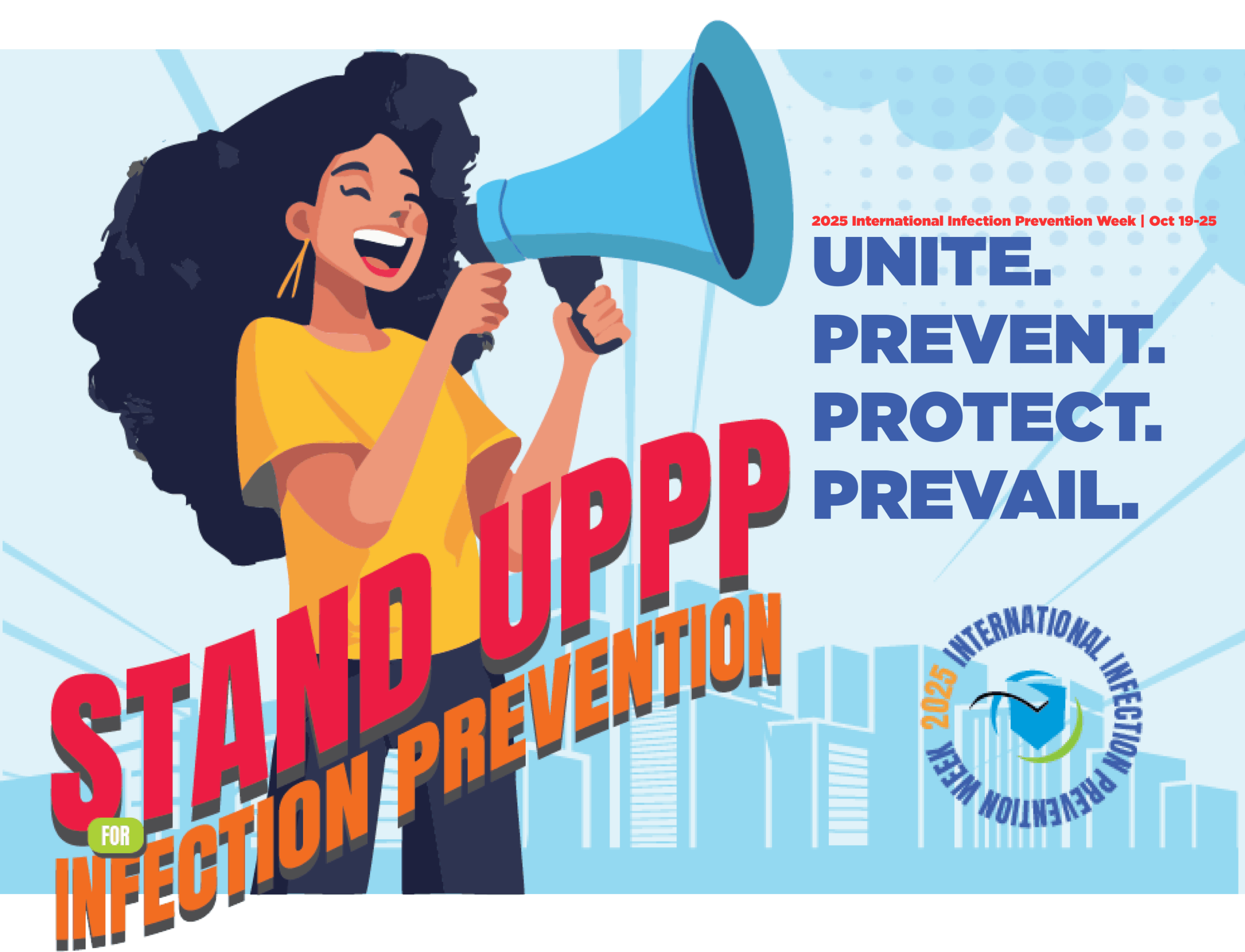
International Infection Prevention Week (IIPW) is October 19–25 and a great reason to have a party! A simple way to add flare to your celebration is with the brand-new Cheers for Peers certificate. It’s a ready-to-use tool that makes it easy to spotlight the everyday wins that keep patients, residents, and staff safe. You can hand one out during a huddle, post it on a breakroom bulletin board, or make it part of a bigger party.
Free Tools to Bring the Fun: The Association for Professionals in Infection Control and Epidemiology (APIC) makes it easy to host your own celebration. The IIPW toolkit offers:
- Fun graphics and posters to brighten up your space.
- Ready-to-use PowerPoint slides to add flair to your next huddle or staff meeting.
- Promotional videos and infographics that spark conversation.
- Daily themes and games to keep the energy high all week long.
Explore and download resources at: Infection Prevention and You.
Party Ideas for Your Team
- Kick off the week by surprising a unit with balloons, snacks, and a quick game.
- Hand out Cheers for Peers certificates to celebrate a champion of healthcare infection prevention, an infection-free milestone, great hand hygiene audits, or a colleague who consistently models best practices.
Puzzle It Out! Want to add an extra layer of fun? Create your own infection prevention puzzles for staff to solve using a free site like Puzzel.org. Imagine sending someone a crossword or jigsaw puzzle that, when solved, reveals: “You won a Cheers for Peers award!”
Why It Matters: Celebrating infection prevention wins is more than just fun — it can boost morale and remind your team that every effort counts. As we head into the busy fall respiratory season, a little joy goes a long way in keeping spirits high.
So, gather your balloons, download your graphics, and throw an infection prevention party this IIPW. And don’t forget to share your celebrations with VIPTA, we’d love to cheer alongside you!
Target Audience: Essential IPC Education Level



EMS Infection Prevention Training: Expanding Education Across Virginia
Infection prevention is an important part of Emergency Medical Services (EMS) practice. However, many agencies have relaxed some infection control practices since the COVID-19 pandemic. To help address this need, David Keeler of the Tidewater EMS Council has added infection prevention training to their annual and quarterly EMS education programs.
David partnered with Ginger Vanhoozer from the Virginia Department of Health to provide training for EMS professionals. Topics included everyday infection prevention practices, new infectious diseases, antibiotic resistance, MRSA, and other drug-resistant organisms. The sessions brought the topic to life with hands-on activities, including glow-in-the-dark demonstrations that showed how contamination can spread. These activities helped make the information easy to understand and remember.
The response from participants has been extremely positive. Attendees reported a 100% satisfaction rating and asked for more training opportunities, including additional foundational infection prevention education opportunities. By strengthening their infection prevention knowledge, EMS professionals can better protect themselves, their patients, and their communities.
Regional EMS councils throughout Virginia offer a great way to bring infection prevention information to providers.
How can I get involved with EMS education in my area?
To bring similar trainings to your area, contact your local EMS council to learn more. These councils can help organize educational events, connect EMS and healthcare partners, and support infection prevention efforts in their communities.
By working together, infection preventionists and EMS professionals can strengthen infection prevention practices across Virginia.
Find your EMS region and connect with your local EMS council.