VIPTA is a statewide infection prevention and control education collaborative, led by the Virginia Healthcare-Associated Infections Advisory Group. Through partnership, VIPTA curates IPC resources for Virginia’s healthcare, congregate care, and public health settings.

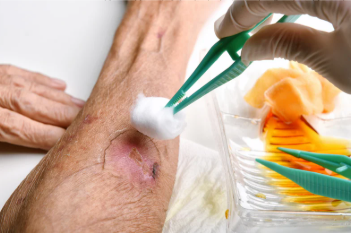
Wrap It Up: Infection Prevention Wound Care Resources
We’ve done the wrapping and you get to open the educational package! Whether you’re refreshing staff education, strengthening your wound care program, or looking for practical teaching tools, these free resources are ready to help you put infection prevention into practice.
What to Expect:
Wound Care Educational Handout: A colorful, easy-to-follow visual resource that highlights key infection prevention practices before, during, and after wound care.
TRAIN Virginia Wound Care Series: Start with “VDH: Wound Care Infection Risks and Your Infection Prevention Program” (Course ID 1127475) and continue through the full series exploring infection prevention principles, common infection transmission risks, and evidence-based practices through interactive scenarios and knowledge checks.
VDH Wound Care Infection Prevention and Control Guidance & Observation Tool: A ready-to-use observation checklist that you can use for audits, competency validation, and helps standardize wound care practices across your facility.
How to use it:
- Observe before you educate. Use the observation tool to identify your team’s strengths and opportunities, then tailor education to the practices you actually see instead of guessing where knowledge gaps exist.
- Make observations less intimidating. Use the checklist as a coaching tool rather than an audit, creating opportunities for real-time feedback and discussion.
- Who else should be trained? Anyone who assists during wound care, including nursing assistants and other healthcare personnel who provide an extra set of hands, should understand infection prevention practices that help protect the patient.
Target Audience: Foundational & Intermediate IPC Education Level


Celebrating Virginia’s AL-CIP Leaders
The Advanced Leadership Certification in Infection Prevention (AL-CIP) launched in 2025. Since then, 11 Virginia infection preventionists (IPs) have earned this advanced credential. We spoke with Jessica Fielek and Tracey Odachowski from Sentara, and Becky Lapian from Inova, about their experience and advice for future applicants.
Why earn the AL-CIP?
Jessica Fielek said, “I chose to pursue the AL-CIP certification because I believe it represents the culmination of the leadership and infection prevention work that many IPs perform every day, often without a great deal of recognition. The certification provides a unique opportunity to showcase the impact of our work, not only to the selection committee but also to our peers and organizations.”
Tracey Odachowski shared, “Being a new certification and an early recipient, I feel it demonstrates my commitment to infection prevention advancements, leadership, and professional influence.”
Lessons Learned
Becky Lapian said, “The most challenging part was figuring out how to fit my experience and evidence into the different domains and subdomains. Connecting each piece of evidence to the specific domains and then writing the rationale to clearly explain the connection took some thought. It really made me reflect on the breadth of my experience and the impact of the work I’ve done.”
Her advice: “Go for it! Don’t underestimate the work you’ve already done or the experience you’ve gained as an IP. Take the time to really highlight your accomplishments and think about the impact of your work. It’s a great opportunity to reflect on your growth and showcase what you bring to the profession.”
Jessica added, “My biggest piece of advice is to carefully review the AL-CIP handbook several times before you begin and take advantage of any informational webinars or educational sessions offered about the certification. Understanding the requirements and domains upfront can save a great deal of time as you begin selecting and organizing your portfolio evidence. I would also encourage applicants to focus on collecting strong evidence and clearly articulating their specific leadership role within each project. Many infection preventionists contribute to numerous successful initiatives, but it is important to demonstrate how you personally influenced the work, led change, or contributed to achieving the outcomes.”
Interested in earning your AL-CIP?
Review the AL-CIP Handbook and access webinars to better understand requirements, organize your portfolio, and prepare a strong application.
Get personalized support at any stage. Book a coaching session with a current AL-CIP through the VDH HAI/AR Program’s Infection Prevention Educator Boost Sessions.