

VIPTA is a statewide infection prevention and control education collaborative, led by the Virginia Healthcare-Associated Infections Advisory Group. Through partnership, VIPTA curates IPC resources for Virginia’s healthcare, congregate care, and public health settings.


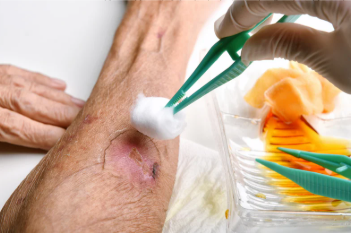
Wrap It Up: Infection Prevention Wound Care Resources
We’ve done the wrapping and you get to open the educational package! Whether you’re refreshing staff education, strengthening your wound care program, or looking for practical teaching tools, these free resources are ready to help you put infection prevention into practice.
What to Expect:
Wound Care Educational Handout: A colorful, easy-to-follow visual resource that highlights key infection prevention practices before, during, and after wound care.
TRAIN Virginia Wound Care Series: Start with “VDH: Wound Care Infection Risks and Your Infection Prevention Program” (Course ID 1127475) and continue through the full series exploring infection prevention principles, common infection transmission risks, and evidence-based practices through interactive scenarios and knowledge checks.
VDH Wound Care Infection Prevention and Control Guidance & Observation Tool: A ready-to-use observation checklist that you can use for audits, competency validation, and helps standardize wound care practices across your facility.
How to use it:
- Observe before you educate. Use the observation tool to identify your team’s strengths and opportunities, then tailor education to the practices you actually see instead of guessing where knowledge gaps exist.
- Make observations less intimidating. Use the checklist as a coaching tool rather than an audit, creating opportunities for real-time feedback and discussion.
- Who else should be trained? Anyone who assists during wound care, including nursing assistants and other healthcare personnel who provide an extra set of hands, should understand infection prevention practices that help protect the patient.
Target Audience: Foundational & Intermediate IPC Education Level


Carilion Clinic’s Internship Program Prepares the Next Generation of Infection Preventionists
|
Carilion Clinic’s Infection Prevention and Control team is celebrating an innovative workforce development initiative: the Accelerated Internship Program for Infection Prevention and Control (IPC). Created to address the growing need for trained IPC professionals, the program offers aspiring infection preventionists and graduate students a structured, hands-on introduction to the field. The 10-week program includes 20 hours per week of core IPC learning. Interns build a strong foundation while applying concepts in real clinical settings. Topics include hand hygiene, standard and transmission-based precautions, healthcare-associated infection prevention, surveillance and reporting, regulatory readiness, environment of care, disinfection and sterilization, surgical services, microbiology, outbreak response, exposure management, and specialty care settings. |

The program’s practical design is one of its greatest strengths. Rather than learning only from reading, interns round with teams, observe surveillance processes, review dashboards, participate in environment of care activities, shadow sterile processing and laboratory workflows, explore outbreak response tools, and prepare department presentations. They also gain access to facility tools, policies, checklists, and national resources that support continued development. The internship is led by IP Savannah Butcher, MPH, who thoughtfully curates a meaningful learning experience. As she shares, “the most rewarding part of coordinating the internship program is mentoring students and helping them discover how impactful infection prevention is to patient safety and healthcare quality.” Cheers to Carilion Clinic’s IPC team for investing in future Infection Preventionists through a thoughtful model that combines mentorship, evidence-based practice, and real-world experience. Getting Started Tips
|



