VIPTA is a statewide infection prevention and control education collaborative, led by the Virginia Healthcare-Associated Infections Advisory Group. Through partnership, VIPTA curates IPC resources for Virginia’s healthcare, congregate care, and public health settings.


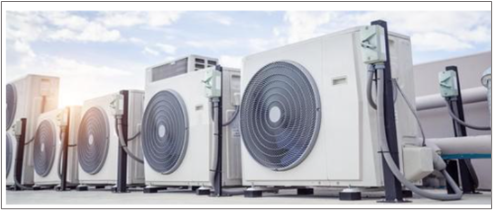
Healthcare Ventilation Can Really Blow
When it comes to infection prevention, what’s in the air matters. This month’s featured resources focus on healthcare airflow and ventilation, breaking down complex concepts into practical tools that are easy to use. Be sure to check the Regulation & Guidance Updates section for new information from the American Society of Heating, Refrigerating, and Air-Conditioning Engineers (ASHRAE) to stay current on the latest recommendations.
What to Expect
- ASHE Project Firstline Explainer Videos: Short, easy-to-share resource from American Society for Health Care Engineering (ASHE) that help facility managers and frontline staff understand the critical role ventilation plays in keeping healthcare environments safe. (English & Spanish)
- CDC Project Firstline Ventilation Factsheet: A clear, shareable overview of how ventilation supports infection control and helps reduce the spread of germs in healthcare settings. (English & Spanish)
- ASHE Ventilation Quick Guide FAQs: A plain-language reference with concise answers to common questions about ventilation and prevention in the healthcare environment. (English & Spanish)
How to use it:
- Walk-Through with Unit IP Champion: Have a charge nurse or IP do a 5-minute walk of the area looking for best practices and asking staff:
- “What should never be in front of an airflow vent?”
- “What rooms require doors closed?”
- Breakroom Air Facts Board: Post the CDC factsheet with a simple header like: “This room protects patients/residents too. Here’s how the air helps.”
- Play Rank That Risk!: Use airflow issues you found on rounds or create hypothetical risks you want staff to be aware of like a vent blocked by a trashcan, propped open door of an airborne isolation room, or a missing or open ceiling tile. Ask: “What’s the risk here?”
Target Audience: Intermediate IPC Education Level



Carilion Clinic
The Carilion Clinic Infection Prevention and Control (IPC) team is engaging patients in the outpatient hand hygiene program. Infection prevention is a team effort, and everyone, including patients, has a role to play. Hand hygiene is the most crucial strategy for preventing infections, and through this program, Carilion is committed to providing the best patient care.
The Patient Feedback Monitoring Program invites patients at ambulatory sites to provide feedback on their providers’ hand hygiene. During their visits, patients receive feedback cards where they can indicate “yes,” “no,” or “unsure” if their provider performed hand hygiene before initiating physical contact. These data are compiled into a Tableau dashboard and shared with sites in real-time to evaluate compliance. The goal of this program is to highlight the importance of hand hygiene in the clinical setting and empower patients to be allies and advocates for infection prevention.
Since the program’s creation, the Carilion Clinic IPC team has been actively engaging ambulatory clinics and promoting the initiative, setting a goal for each clinic to submit 40 observations per month. Collaborating with the marketing and technology departments, the team ensured that the observation tools are accessible. The total number of outpatient hand hygiene observations increased from 12,311 in 2022 to 17,033 in 2023. As of July 2024, outpatient clinics have already collected 11,259 observations, and the year is only half over!
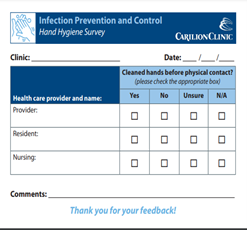
Carilion Clinic IPC Hand Hygiene Survey