Respiratory Illnesses Are High in the Central Shenandoah Health District

January 8, 2026
Media Contact: Rachel Dumene, Rachel.dumene1@vdh.virginia.gov, 540-480-4998

Respiratory Illnesses Are High in the Central Shenandoah Health District
Health Officials Say It’s Not Too Late to Get Vaccinated

STAUNTON, Va.Respiratory virus activity is high, particularly for the flu, in the Central Shenandoah Health District (CSHD). Health officials say it’s not too late to get vaccinated. Vaccination is key to preventing severe illness and reducing hospitalizations during peak season.

As of January 8, the level of respiratory illnesses is high in Virginia. The Virginia Department of Health reported 21.8% of all emergency department (ED) visits in the Northwest Region were for respiratory illnesses. Area hospitals have seen an exponential increase in hospital admissions related to flu, which is similar to what is being seen across the nation.

“High levels of flu activity are being reported in our region right now,” says Dr. Allison Baroco, the Community Health Services Medical Officer for the Virginia Department of Health. “This is a good reminder that it is not too late to get your flu shot for the season, and that those who are feeling sick should stay home if able.”

Everyone aged six months and older should get a flu shot every year, with a few exceptions. Talk to a healthcare provider about which flu vaccines are recommended for you and your family.

People aged six months and older can receive the COVID-19 vaccine based on individual-based decision-making with a healthcare provider.

All adults aged 75 years and older are recommended to receive a single dose of one RSV vaccine. If you are 60-74 years old with a health condition, speak with your healthcare provider to determine if the RSV vaccine is the right choice for you. Pregnant women and parents of newborns should also talk with their provider about the benefits of the RSV vaccine.

Other steps you can take to stay healthy include:

  • Staying home when sick.
  • Washing your hands frequently with soap and water.
  • Covering coughs and sneezes.

For more information, contact the Central Shenandoah Health District at either (540) 332-7830 or cshdinfo@vdh.virginia.gov, or visit the VDH flu page.

Central Shenandoah Health District Reports Rabid Raccoon in Staunton

January 2, 2026
Media Contact: Rachel Dumene, Rachel.dumene1@vdh.virginia.gov, 540-480-4998

Central Shenandoah Health District Reports Rabid Raccoon in Staunton

STAUNTON, Va. – The Central Shenandoah Health District (CSHD) reminds its community members to keep their pets vaccinated for rabies after a raccoon collected Monday 12/29/25 in the City of Staunton tested positive for rabies. The raccoon was collected from a residential area (West of Thornrose Cemetery, between Gypsy Hill Park and West Beverley Street). There are currently no known human exposures to the raccoon.

“While this raccoon no longer presents a threat, it is a reminder to get your pets vaccinated for rabies and to keep their vaccinations up to date,” says Jason Weakley, Environmental Health Manager at CSHD. “Protecting animals from rabies protects both them and the people around them.”

Anyone having information regarding any potential exposure to this animal via a bite, scratch, or contact with saliva in an open wound or through the eyes, nose, or mouth should contact the Staunton-Augusta Health Department at 540-332-7830. Exposures also include direct contact between your pet and the rabid animal. After hours, for either human or animal exposure concerns, please contact the Virginia Department of Health at 1-866-531-3068.

CSHD reminds all residents to follow these important rabies prevention guidelines:

  • Do not feed stray animals.
  • Avoid wild animals, especially raccoons, bats, foxes, and skunks.
  • Feed your pets indoors and do not let them wander.
  • Make sure your pets are vaccinated against rabies and their shots are up to date. By law, dogs and cats must be vaccinated against rabies.
  • Teach children to avoid contact with wild animals and pets they are not familiar with.
  • Do not handle sick, injured or dead animals. If you see a wild animal that appears to be ill, injured or orphaned, contact the Virginia Department of Wildlife Resources or a licensed wildlife rehabilitator for guidance.
  • Keep wild animals out of homes by capping chimneys with screens and block openings in attics, cellars and porches.
  • Ensure trash cans have tight fitting lids.

Rabies is linked to a virus that attacks the nervous system and can be deadly if not properly treated. If you are bitten by a wild or stray animal, wash the wound(s) thoroughly with warm soapy water and contact animal control, your healthcare provider, or the Staunton-Augusta Health Department.

For more information about rabies, visit www.vdh.virginia.gov/animal-contact-human-health/rabies-control/


New Year, New You: Central Shenandoah Health District Encourages a New, Healthier You in 2026

December 30, 2025
Media Contact: Rachel Dumene, Rachel.dumene1@vdh.virginia.gov, 540-480-4998

New Year, New You: Central Shenandoah Health District Encourages a New, Healthier You in 2026

STAUNTON, Va. – Ring in the New Year and focus on becoming healthier. The Central Shenandoah Health District (CSHD) wants to help you keep your New Year’s resolutions by offering simple, sustainable habits for a year of health and wellness.

Here are some tips to help you be healthier in 2026:

  • Get Active: In Virginia, over 30% of adults are obese. Try to move more and sit less. Take the stairs when you can. Find fun ways to be active, like walking or doing yoga. Aim for about 150 minutes of exercise each week.
  • Eat Well: Eat more foods like fruits, vegetables, whole grains, and lean meats. Drink lots of water. Eliminate sugar and junk food/limit alcoholic drinks.
  • Manage Stress: Get 7 to 9 hours of sleep each night. Try mindfulness or meditation. Spend time with friends and family, manage your stress, and maybe write in a journal.
  • Schedule Screenings: Visit your doctor and dentist for regular checkups and screenings. Drink enough water and wash your hands often to stay healthy.
  • Quit Smoking: Now is a good time to quit bad habits. Smoking and vaping can hurt your body, so it’s best to stop. Quit Now Virginia is a free service that helps people quit smoking, using tobacco, or vaping.

The Central Shenandoah Health District offers a variety of programs to help residents achieve their health goals, including: STI testing, vaccine appointments, Quit Now Virginia, and free health screenings throughout the district.

CSHD wants you to keep working on your goals to build healthy habits this year. If things don’t always go as planned, be kind to yourself and keep trying. Do things that make you happy and take care of yourself.

Let’s make becoming healthier a priority in 2026! If you have questions, reach out to the Central Shenandoah Health District at cshdinfo@vdh.virginia.gov.

Let’s make health a shared goal!

Central Shenandoah Health District Urges Residents to Be Prepared for the Unpredictable Impacts of Winter Weather

December 12, 2025
Media Contact: Rachel Dumene, Rachel.dumene1@vdh.virginia.gov, 540-480-4998

Central Shenandoah Health District Urges Residents to Be Prepared
for the Unpredictable Impacts of Winter Weather
Stay Safe This Winter with These Tips

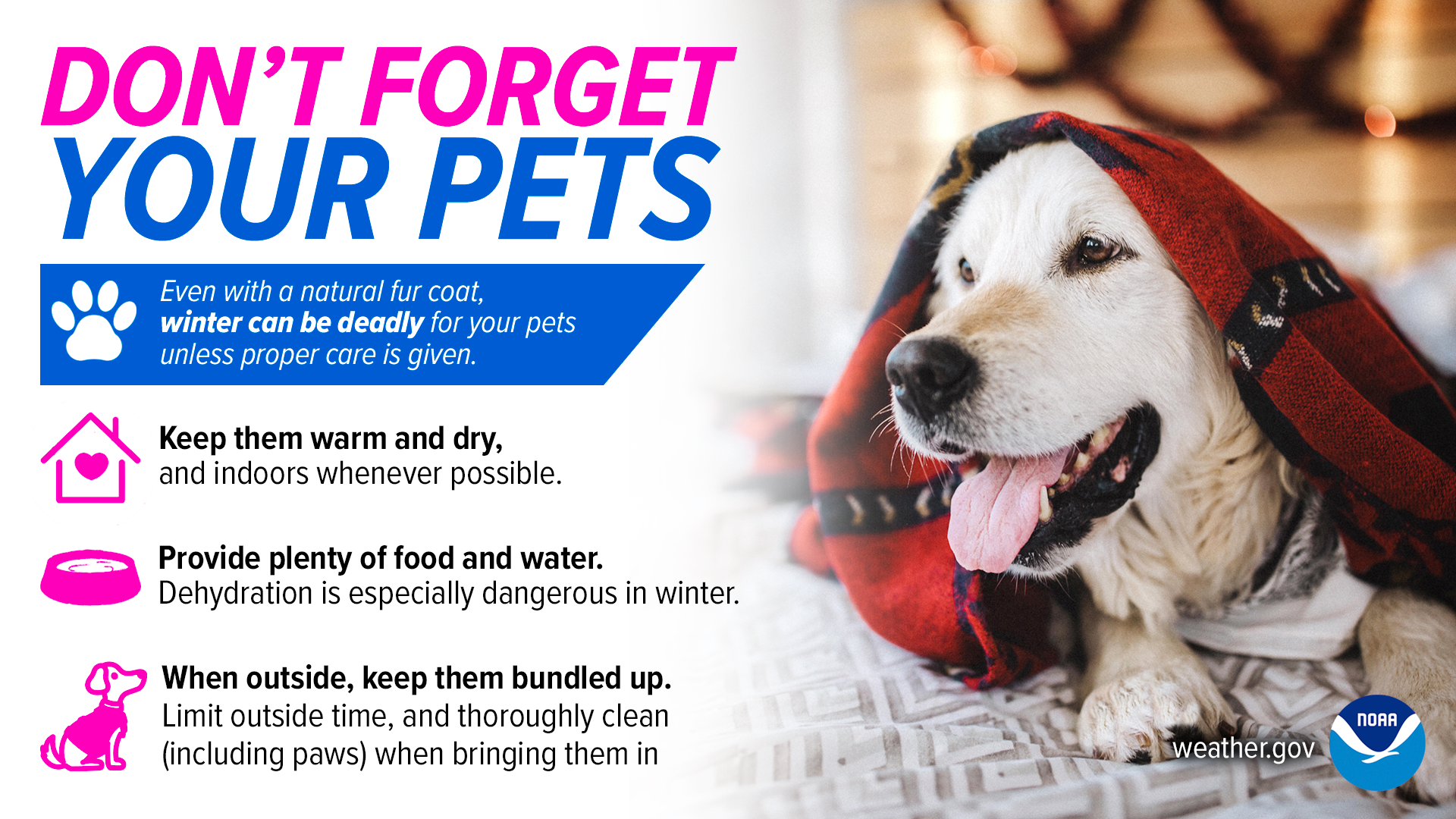
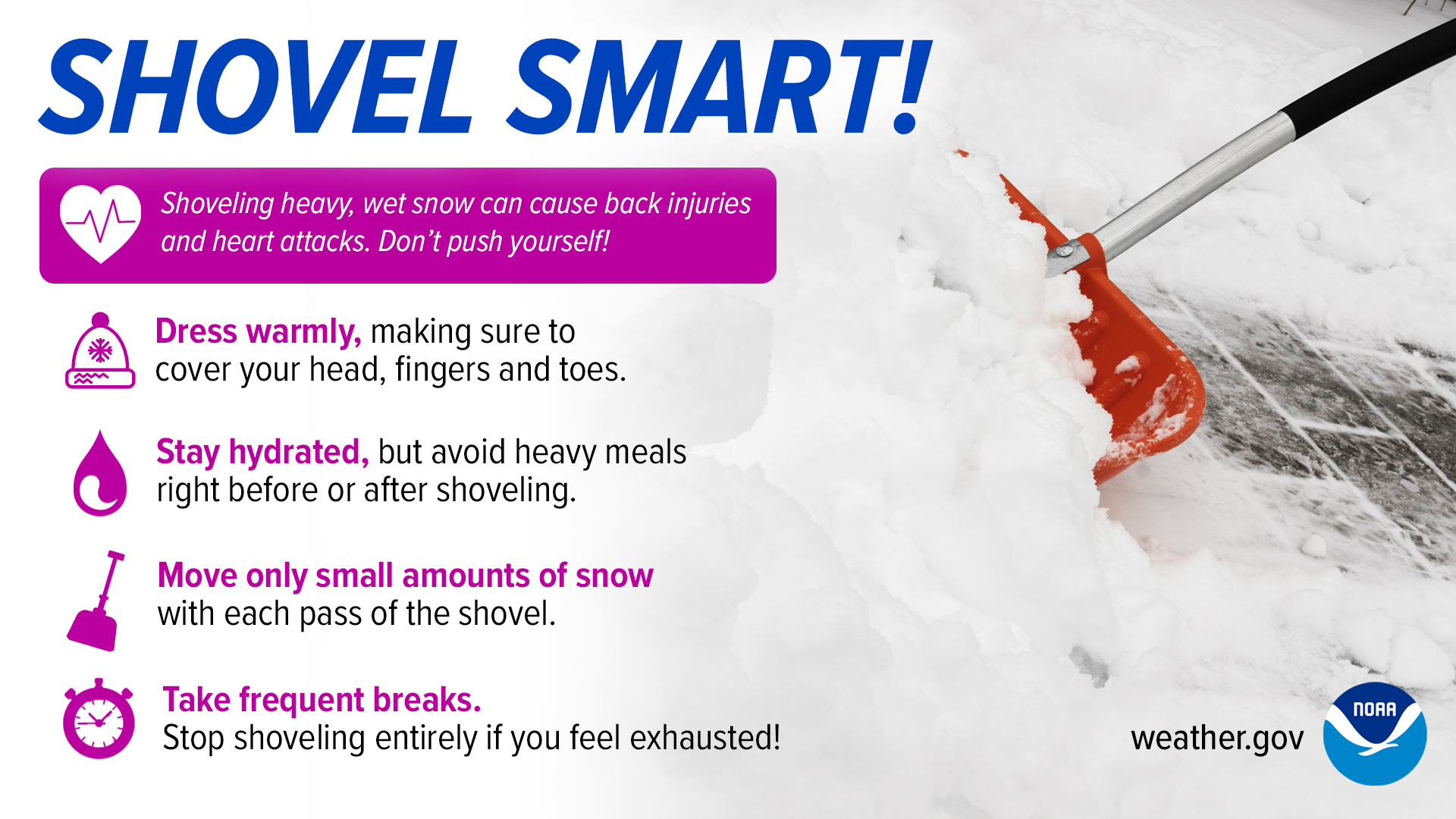
STAUNTON, Va. – The Central Shenandoah Health District reminds residents that winter weather can be dangerous and unpredictable. Snow, ice, and freezing conditions can lead to unexpected injuries and accidents. These conditions can increase the risk of hazardous travel, power outages, and health impacts, especially for older adults, children, and people with chronic health problems.

“Being prepared is half the battle,” says Dr. Allison Baroco, Acting Health Director for CSHD. “We’ve already seen some snow this year, so this is a good reminder to prepare for the coming months. Good preparedness makes unexpected weather safer and easier for you and your family.”

By preparing ahead of time you can avoid emergencies, protect your health and keep your loved ones safe. Follow these tips to be better prepared for the cold weather season.

  • Have an emergency kit with supplies such flashlights, batteries, blankets, food, and water.
  • Winterize your home by insulating walls and attics, caulking and weather-stripping doors and windows.
  • Check batteries in smoke detectors and carbon monoxide monitors.
  • Prepare your vehicle with emergency supplies.
  • Use space heaters safely. Keep heat sources at least three feet away from drapes, furniture, bedding, or other flammable materials. Never cover your space heater.

Preparation before dangerous winter weather arrives is critical. The best time to prepare for severe winter weather is now, before temperatures drop significantly and staying safe and warm becomes a challenge. Take these precautions to lower your risk of illness.

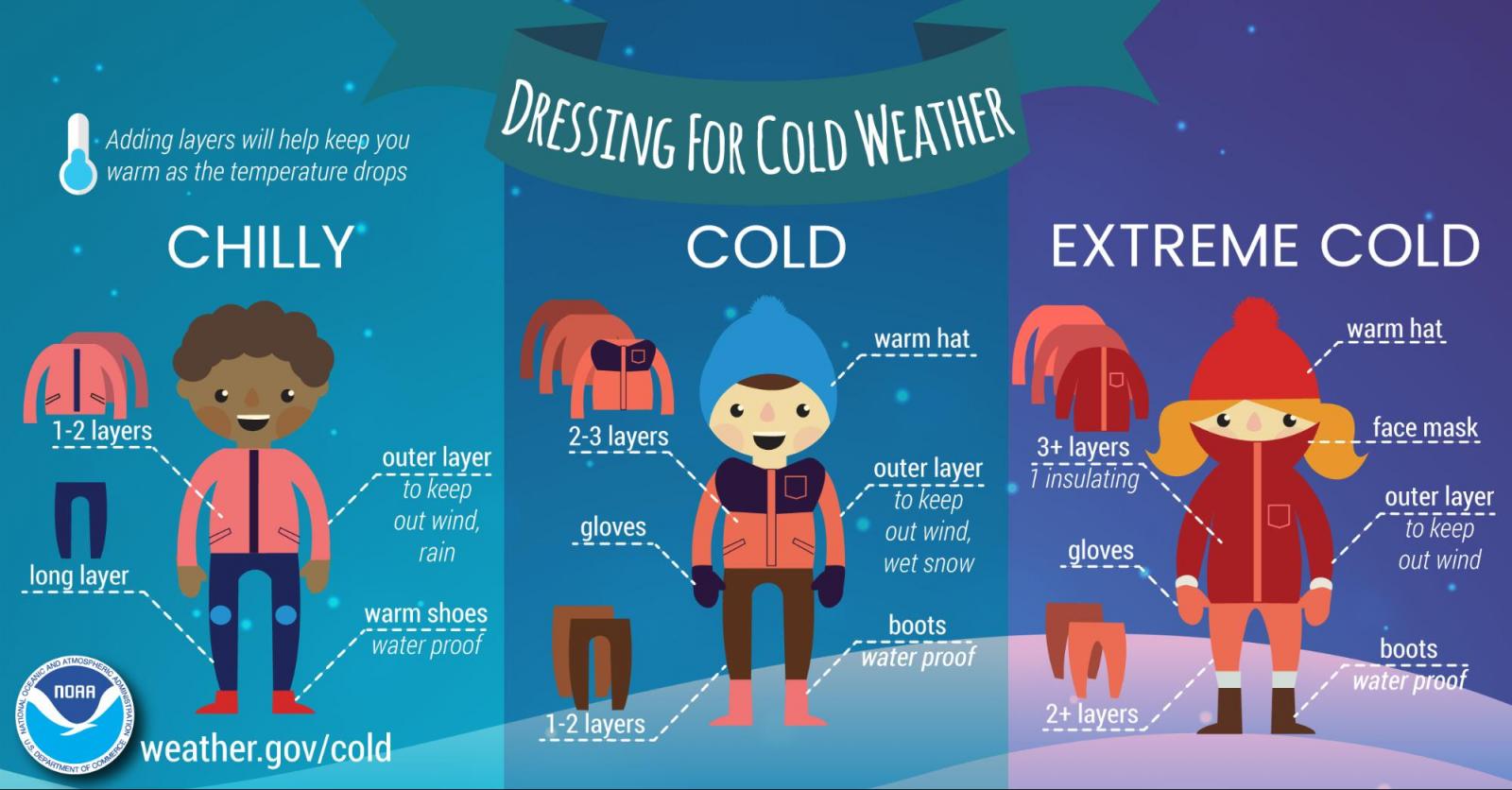
  • Wear cold appropriate clothing like gloves, hats, scarves and snow boots.
  • Be aware of the wind chill factor.
  • Remove any wet clothing immediately.
  • Limit your time outdoors.

If you plan to travel, the Virginia Department of Transportation (VDOT) provides travel advisories on current road conditions and weather forecasts. Travelers can easily access weather information by dialing 511, 24 hours a day, seven days a week or via the website at 511.vdot.virginia.gov.

Learn more about staying safe this winter by visiting the Central Shenandoah Health District at https://www.vdh.virginia.gov/central-shenandoah/

Central Shenandoah Health District Observes World AIDS Day

December 1, 2025
Media Contact: Rachel Dumene, Rachel.dumene1@vdh.virginia.gov, 540-480-4998

Central Shenandoah Health District Observes World AIDS Day
Wear a Red Ribbon to Show Your Support

STAUNTON, Va. — The Central Shenandoah Health District (CSHD) recognizes December 1 as World AIDS Day and encourages communities to stand together, united with a red ribbon. Remember those who have been lost, unite in the fight against HIV and AIDS, and raise awareness to prevent new cases of HIV.

“About 13% of those living with HIV are unaware of their positive status,” says Dr. Allison Baroco, Acting Health Director for CSHD. “Getting tested is the only way to know your status for sure. We now have many medications that can treat HIV infection and can help people live long and healthy lives, so getting tested early before you may have symptoms is important.”

CSHD provides STI testing at the Staunton-Augusta, Harrisonburg-Rockingham, and Waynesboro-Augusta health departments. You can make an appointment for STI testing by calling (540) 332-7830.

More than 28,000 people are living with HIV in Virginia, including 424 people within CSHD. More than 75% of people with HIV in Virginia are men, and more than half are 50 years or older. While Black, non-Hispanic people make up 19% of the population in the Commonwealth, 56% of people with HIV identify as Black, non-Hispanic in Virginia.

Support from family and friends can be helpful. If you know of anyone who has been diagnosed with HIV, help is available. Financial assistance with medication costs or copays is available through local, state, or federal programs. Visit the Virginia Department of Health to learn about prevention, treatment, financial assistance, STI data, and other related resources.

To learn more about HIV:

Let’s work to fight against HIV and AIDS. The Central Shenandoah Health District encourages you to wear a red ribbon on December 1. To make an STI testing appointment, call CSDH at (540) 332-7830.

Diabetes Often Goes Undetected: Are You at Risk?

November 17, 2025
Media Contact: Rachel Dumene, Rachel.dumene1@vdh.virginia.gov, 540-480-4998

Diabetes Often Goes Undetected: Are You at Risk?
Central Shenandoah Health District Has Tips for National Diabetes Awareness Month

STAUNTON, Va.– Did you know that one in four Virginians has diabetes and doesn’t know it? More than two million adults in Virginia have prediabetes putting them at risk for major health problems even early death. But it’s not too late. Lifestyle changes can prevent or delay the disease and improve your overall health. The Central Shenandoah Health District (CSHD) can help you get on the right track.

Why should you care? Untreated diabetes can do real damage to your body, to include:

  • Long term organ damage
  • Heart disease and stroke
  • Nerve damage
  • Vision loss/blindness
  • Dementia
  • Mental health issues

Diabetes also costs a lot of money! People with diabetes pay twice as much for medical expenses than those who don’t have the disease. Direct medical expenses for those diagnosed with diabetes in Virginia totaled more than $412 billion in 2022.

Your risk for developing type 2 diabetes is higher if:

  • You’re overweight.
  • You have a family history of diabetes.
  • You had diabetes while you were pregnant (gestational diabetes).
  • You live in a rural area. In Virginia, rural areas report higher rates of diabetes. 13% of adults living in CSHD have diabetes. The VDH, and the Virginia Center for Diabetes Prevention and Education, are working to improve healthcare access and reduce disparities. The Virginia Rural Health Plan 2022–2026 was created for this purpose.

“Untreated diabetes is dangerous for your health in ways you might not be aware of,” says Dr. Allison Baroco, Acting Health Director for CSHD. “For example, it is the leading cause of lower limb amputations in the U.S.”

Central Shenandoah Health District offers these tips to get you on the right track:

For more information on local programs and resources, contact The Central Shenandoah Health District directly at (540) 332-7830 or visit the VDH Diabetes Resource Page.

Central Shenandoah Health District Encourages the ‘Little Things’ to Protect Against Respiratory Illnesses This Fall

October 28, 2025
Media Contact: Rachel Dumene, Rachel.dumene1@vdh.virginia.gov, 540-480-4998

Central Shenandoah Health District Encourages the ‘Little Things’ to Protect Against Respiratory Illnesses This Fall
Wash Your Hands, Cover Your Coughs and Sneezes, Get Immunized

STAUNTON, Va.You can protect you and your family this fall from respiratory viruses like COVID-19, flu, and RSV by doing some simple little things. The Central Shenandoah Health District (CSHD) shares three little things for a healthy fall: washing your hands, covering your coughs and sneezes, and getting immunized.

“The ‘Little Things’ campaign highlights that small habits can make a big difference in our health,” says Dr. Allison Baroco, Acting Health Director for CSHD. “All of these habits add protection to our defense against illness and to help keep us healthy throughout the respiratory illness season.”

Washing Hands

Washing hands takes a mere 20-30 seconds but can be key to keeping you healthy and preventing respiratory diseases. Germs can spread by touching surfaces and other people. Be sure to wash your hands:

  • After blowing your nose, coughing, or sneezing.
  • Before and after preparing food or eating.
  • Before and after caring for someone else who is sick.
  • After touching an animal, animal feed, or animal waste.

If soap and water are not readily available, use a hand sanitizer with at least 60% alcohol to clean your hands.

Covering Your Cough

Respiratory viruses can spread through droplets that are released when an infected person coughs, sneezes, or talks. To limit the spread of respiratory viruses, cover your mouth and nose with a tissue when you cough or sneeze. Put your used tissue in the waste basket.

If you don’t have a tissue, cough into your upper sleeve or sneeze into your upper sleeve or elbow, not your hands.

Getting Immunized

Everyone aged six months and older should get a flu shot every year, with a few exceptions. Talk to a healthcare provider about which flu vaccines are recommended for you and your family.

People aged six months and older can receive the COVID-19 vaccine based on individual-based decision-making with a healthcare provider.

All adults aged 75 years and older are recommended to receive a single dose of one RSV vaccine. If you are 60-74 years old with a health condition, speak with your healthcare provider to decide if the RSV vaccine is the right choice for you. Pregnant women and parents of newborns should also talk with their provider about the benefits of the RSV vaccine.

If you are sick, stay home to prevent additional spread of respiratory virus.

For more information about how to stay healthy during respiratory illness season and all year round, visit www.vdh.virginia.gov/epidemiology/respiratory-diseases-in-virginia/ or contact the Staunton-Augusta Health Department at (540) 332-7830.

Central Shenandoah Health District Encourages All Residents to Get Vaccinated for the Flu

October 23, 2025
Media Contact: Rachel Dumene, Rachel.dumene1@vdh.virginia.gov, 540-480-4998

Central Shenandoah Health District Encourages All Residents to
Get Vaccinated for the Flu

STAUNTON, Va. – With the 2025-26 influenza (flu), season officially underway, the Central Shenandoah Health District (CSHD) encourages everyone six months and older who lives, works or plays in the Shenandoah Valley to receive their annual influenza vaccine.

The Centers for Disease Control and Prevention (CDC) reported a severe 2024-25 flu season with record high hospitalization rate in the U.S and the highest number of pediatric deaths during a regular, non-pandemic season. Last season, Virginia reported six influenza-associated pediatric deaths and 366 influenza outbreaks. CSHD reported over 2,000 cases of flu last flu season.

“The flu is not a mild illness,” says Dr. Allison Baroco, Acting Health Director for CSHD. “Even though we experience flu season every year, it’s important to make sure you are protected each annual flu season by getting vaccinated. Flu shots help maintain the health of our whole community.”

Flu season, the period of highest influenza activity, normally begins in early October and ends in late May. While seasonal influenza outbreaks can happen as early as October, during most seasons, activity often peaks in January or February.

A flu vaccine is needed every season for two reasons. First, the body’s immune response from vaccination declines over time, so an annual vaccine is needed for optimal protection. Second, because flu viruses are constantly changing, the formulation of the flu vaccine is reviewed each year and updated to keep up with changing flu viruses.

You should get the influenza vaccine as soon as it becomes available. However, as long as flu viruses are circulating, it’s not too late to get your flu vaccine.

Influenza is a serious disease caused by the influenza virus that affects the respiratory tract. The flu is highly contagious and generally spreads from person-to-person when an infected person coughs or sneezes. The virus can be transmitted even before flu-like symptoms appear. A person usually becomes sick one to three days following exposure to the virus. Typical flu symptoms include fever, dry cough, sore throat, runny or stuffy nose, headache, muscle aches and extreme fatigue.

To minimize your risk of contracting or transmitting the flu, follow these simple steps:

  • Get vaccinated.
  • Wash your hands frequently and thoroughly, for at least 20 seconds.
  • Cover your cough, either by using a disposable tissue or coughing into your sleeve, not your hand.
  • Stay at home when you are sick.

It is safe to get both the flu and COVID-19 vaccine at the same time. For more information, call the Staunton-Augusta Health Department at (540) 332-7830 or visit the VDH flu page.

Central Shenandoah Health District Reminds Residents About Lead Poisoning Hazards

October 20, 2025
Media Contact: Rachel Dumene, Rachel.dumene1@vdh.virginia.gov, 540-480-4998

Central Shenandoah Health District Reminds Residents About Lead Poisoning Hazards
Lead Poisoning Prevention Week is October 19-25

STAUNTON, Va. – Lead Poisoning Prevention Week is October 19-25. The Central Shenandoah Health District (CSHD) is committed to educating the community about lead poisoning. Childhood exposure can be reduced if families can recognize and lessen lead hazards within the home.

Lead is a highly toxic and naturally occurring metal found in the environment. Lead can cause negative health effects. Even low levels of lead in blood are associated with developmental delays, behavioral issues and attention and learning problems.

“There is no safe blood level of lead,” says Dr. Allison Baroco, Acting Health Director for CSHD. “It’s important to take any elevated levels seriously to help identify and remove the source of exposure, especially for children.”

Common sources of lead exposure include:

  • Paint found in houses built before 1978.
  • Soil surrounding old buildings or near airports, highways, or factories.
  • Water from lead pipes.
  • Certain jobs and hobbies.
  • Consumer products including some imported toys, jewelry, spices, candies, and medicines.

Most children with elevated blood lead levels will not have any physical symptoms. Higher blood levels can cause headaches, irritability, hearing loss and abdominal pain. If you are concerned about potential lead exposure should talk to your health care provider about testing. A blood lead test is the only sure way to determine if a child has been exposed to lead.

Simple prevention measures to reduce the risk of exposure include:

  • Cleaning floors and surfaces regularly using wet methods.
  • Washing children’s hands, toys, and bottles often.
  • Preventing children from playing in bare soil.
  • Removing shoes before entering the home.
  • Preparing nutritious meals high in calcium, iron, and vitamin C.
  • Using cold tap water for cooking and drinking.
  • Keeping paint intact and undisturbed.

The Virginia Department of Health recently introduced a new public education campaign aimed at helping families recognize and reduce lead hazards in their homes. The campaign features an alligator mascot named “Chip,” who helps people spot a telltale sign of lead-based paint: cracked, scaly surfaces that look like alligator skin.

For more information on how to keep your family safe from lead exposure, visit the Childhood Lead Poisoning Prevention Program webpage or contact the Central Shenandoah Health Districts Environmental Health office at (540) 332-7830.

High Five for Hand Hygiene!

October 15, 2025
Media Contact: Rachel Dumene, Rachel.dumene1@vdh.virginia.gov, 540-480-4998

High Five for Hand Hygiene!
Central Shenandoah Health District has the Dirt on Global Handwashing Day 

STAUNTON, Va. – In honor of Global Handwashing Day, October 15, the Central Shenandoah Health District (CSHD) has some dirt on people that will probably gross you out! We also have some fun ideas for teaching kids the right way to wash.

The filthy truth:

  • Poop from unwashed hands frequently makes people sick.
  • A single gram of poop, about the weight of a paper clip, can contain one trillion germs.
  • Only 63% of people were seen washing their hands after using public restrooms.
  • Nearly half of U.S. adults admit to not washing their hands at other key times, such as before preparing food or eating.
  • Germs often spread when someone coughs or sneezes into their hands and then touches another person or thing (handrails, toys, etc.).

Handwashing is a simple and inexpensive way to kill germs.

“Personal responsibility, like washing your own hands, is part of caring for our whole community,” says Dr. Allison Baroco, Acting Health Director for CSHD. “I am a big advocate of handwashing. Always remember to scrub your hands with soap and water. Proper handwashing benefits you and those around you by eliminating those germs that can make everyone sick.”

Scrubbing with soap and water can cut cases of diarrhea by up to 40%, slash missed school days from tummy bugs by nearly 60%, and reduce colds and coughs by more than 20%.

The key is to wash your hands properly. Proper handwashing means scrubbing for at least 20 seconds between the fingers and under the nails. Encourage your kids to properly wash their hands by making it fun with songs or games.

  • Sing “Happy Birthday to You” song twice or the “Alphabet Song.”
  • Put glitter on their hands and pretend it’s germs. They need to get rid of all of them!
  • Use colored or scented soap.
  • Get a blacklight and look at hands before (dirty) and after washing (clean).
  • Print posters or stickers to promote good handwashing habits.

If soap and water are not readily available, use a hand sanitizer that contains at least 60% alcohol. To learn more, visit the VDH Hand Hygiene page or contact Central Shenandoah Health District at (540) 332-7830.