Virginia Infection Prevention & Control Training Alliance (VIPTA)

Upcoming Events


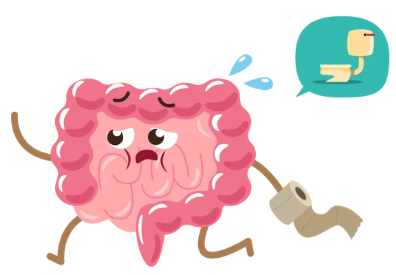
Humorous image of intestines running for the bathroom

Turning Explosive Headlines into Practical Prevention

Cyclosporiasis has been making headlines lately. We can use that attention to spark interest in infection prevention. There is no current evidence that Virginia is experiencing an outbreak, but the recent “explosive” headlines are a good chance to remind healthcare staff about foundational infection prevention best practices.

What to Expect:

Virginia Monthly Morbidity Surveillance Report: See how cyclosporiasis and other reportable diseases compare with past years and seasonal trends in Virginia.

CDC Health Alert Network (HAN) – Health Advisory on Cyclosporiasis: The HAN shares updates about urgent public health events. Sign up for HAN alerts to stay up to date on the latest guidance and infection prevention recommendations.

Project Firstline’s How to Read a Disinfectant Label: Learn how to choose and use disinfectants the right way. Follow the label to make sure your cleaning and disinfection work, no matter which germ is making the headlines.

How to use it:

  • Make local data meaningful. Share the Surveillance Report at your infection prevention committee meeting. Compare current disease activity with the usual baseline. Talk about what any changes could mean for your facility.
  • Practice before it happens. Use CDC Health Alert Network (HAN) alerts as discussion starters. Ask, “What would we do if this happened here?” Review your plans for reporting, isolation, testing, and communication.
  • Host a disinfectant scavenger hunt. Place several disinfectant products around the room. Challenge staff to use the Project Firstline “How to Read a Disinfectant Label” infographic to answer questions from each label. The first team to finish with the most correct answers wins.

Target Audience: Foundational & Intermediate IPC Education Level


Guidance, Recommendations, & Regulatory Updates

VIPTA members track guidance and regulation resources to share source documents that guide infection prevention and control practices for public health staff and clinical and non-clinical healthcare personnel.

The date of the regulation or guidance update is included in each post.  Please check linked content to be sure it is the most up to date and recommended practice.

CDC: Conjunctivitis (09/11/2026)
CDC
Any Practice Setting
The CDC recommends excluding healthcare personnel with suspected or confirmed infectious conjunctivitis, including epidemic keratoconjunctivitis (EKC), from work for the duration of their symptoms. These recommendations emphasize strict hand hygiene, appropriate cleaning and disinfection of surfaces and shared medical equipment, and prompt identification and management of cases to prevent transmission and healthcare-associated outbreaks.
CDC: Viral Respiratory Infections (09/11/2026)
CDC
Any Practice Setting
The CDC provides updated recommendations for managing healthcare personnel exposed to or infected with viral respiratory infections, including work restrictions, symptom monitoring, and source control. Asymptomatic exposed personnel may continue working with source control through at least five days after their last exposure, while infected personnel should be excluded from work for at least three days and meet additional symptom-based return-to-work criteria, followed by source control through at least day seven.
CDC: Preventing Respiratory Infections in the Workplace (08/28/2026)
CDC
Any Practice Setting
The CDC provides recommendations to help employers prevent and respond to respiratory infections in the workplace through improved ventilation, engineering controls, environmental cleaning and disinfection, and policies that encourage sick employees to stay home.  These recommendations also emphasize using respiratory illness surveillance data to inform workplace prevention strategies, including masking and remote work, to reduce transmission and protect employee health.

Society for Healthcare Epidemiology of America (SHEA)

Infection Prevention and Control of Candida auris in Pediatric Settings (6/23/2026) The guidance recommends identifying at-risk pediatric patients through targeted screening, using appropriate isolation and room-placement precautions, and coordinating closely with infection prevention and public health partners when Candida auris is suspected or confirmed. It also emphasizes prevention through meticulous hand hygiene, effective environmental cleaning and disinfection, and careful...


VDH Infection Prevention Education in the Northwest Region

Kayleigh Rehkopf, VDH’s Northwest Regional Infection Preventionist, would like to highlight three VDH staff in the Northwest region (Stephanie Neal, Candace Ashworth, and Brad Evert) for their outstanding work in infection prevention and control (IPC) education!

Stephanie is the Junior District Epidemiologist for Lord Fairfax Health District, and she has been working on preparing and disseminating IPC education for nursing homes, assisted living facilities, and schools. Brad and Candace, part of the Regional Containment Team, eagerly jumped in to help with the education and went outside their normal scope of work to be a part of this important initiative.  They did a great job familiarizing themselves with the education and making connections in the community to deliver the content effectively. Having them on the team really helped to make this education effort a success.

Thank you, Stephanie, Candace, and Brad, for all that you do to keep our community safe and healthy!


IPC Education & Training Library

Search the VIPTA library of curated infection prevention and control (IPC) education and training resources. The IPC Education & Training Resource Library includes state and national resources related to healthcare-associated infections, antimicrobial resistance and/or IPC. Visit the VIPTA FAQ page to learn more about VIPTA library content.


Connect With VIPTA