VIPTA is a statewide infection prevention and control education collaborative, led by the Virginia Healthcare-Associated Infections Advisory Group. Through partnership, VIPTA curates IPC resources for Virginia’s healthcare, congregate care, and public health settings.

Turning Explosive Headlines into Practical Prevention
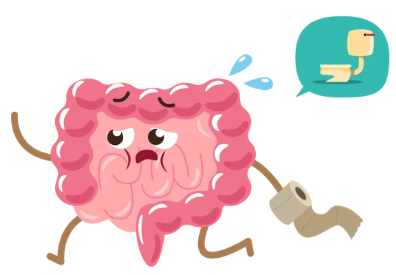
Cyclosporiasis has been making headlines lately. We can use that attention to spark interest in infection prevention. There is no current evidence that Virginia is experiencing an outbreak, but the recent “explosive” headlines are a good chance to remind healthcare staff about foundational infection prevention best practices.
What to Expect:
Virginia Monthly Morbidity Surveillance Report: See how cyclosporiasis and other reportable diseases compare with past years and seasonal trends in Virginia.
CDC Health Alert Network (HAN) – Health Advisory on Cyclosporiasis: The HAN shares updates about urgent public health events. Sign up for HAN alerts to stay up to date on the latest guidance and infection prevention recommendations.
Project Firstline’s How to Read a Disinfectant Label: Learn how to choose and use disinfectants the right way. Follow the label to make sure your cleaning and disinfection work, no matter which germ is making the headlines.
How to use it:
- Make local data meaningful. Share the Surveillance Report at your infection prevention committee meeting. Compare current disease activity with the usual baseline. Talk about what any changes could mean for your facility.
- Practice before it happens. Use CDC Health Alert Network (HAN) alerts as discussion starters. Ask, “What would we do if this happened here?” Review your plans for reporting, isolation, testing, and communication.
- Host a disinfectant scavenger hunt. Place several disinfectant products around the room. Challenge staff to use the Project Firstline “How to Read a Disinfectant Label” infographic to answer questions from each label. The first team to finish with the most correct answers wins.
Target Audience: Foundational & Intermediate IPC Education Level


Carilion Clinic
The Carilion Clinic Infection Prevention and Control (IPC) team is engaging patients in the outpatient hand hygiene program. Infection prevention is a team effort, and everyone, including patients, has a role to play. Hand hygiene is the most crucial strategy for preventing infections, and through this program, Carilion is committed to providing the best patient care.
The Patient Feedback Monitoring Program invites patients at ambulatory sites to provide feedback on their providers’ hand hygiene. During their visits, patients receive feedback cards where they can indicate “yes,” “no,” or “unsure” if their provider performed hand hygiene before initiating physical contact. These data are compiled into a Tableau dashboard and shared with sites in real-time to evaluate compliance. The goal of this program is to highlight the importance of hand hygiene in the clinical setting and empower patients to be allies and advocates for infection prevention.
Since the program’s creation, the Carilion Clinic IPC team has been actively engaging ambulatory clinics and promoting the initiative, setting a goal for each clinic to submit 40 observations per month. Collaborating with the marketing and technology departments, the team ensured that the observation tools are accessible. The total number of outpatient hand hygiene observations increased from 12,311 in 2022 to 17,033 in 2023. As of July 2024, outpatient clinics have already collected 11,259 observations, and the year is only half over!
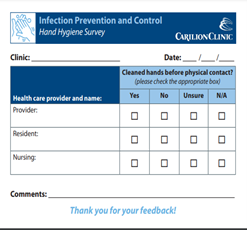
Carilion Clinic IPC Hand Hygiene Survey