
Real Love Respects

FOR IMMEDIATE RELEASE: February 26, 2026
Media Contact: Bryan Hooten, 804-807-1727, bryan.hooten@vdh.virginia.gov

Real Love Respects

RHHD Highlights Teen Dating Violence Awareness Month

RICHMOND, Va. – February is Teen Dating Violence Awareness Month. Richmond and Henrico Health Districts remind teens and the community what love is. Love should feel safe and supportive, not controlling or frightening.

Teen dating violence is more common than many might realize. In the U.S., 1 in 10 teens experienced some form of dating violence. It can happen in person, online, or through text messages. Experiencing relationship violence during adolescence is linked to higher risk of depression, anxiety, substance use, and future relationship violence.

“Healthy relationships are a key part of overall health and well-being, especially for young people,” said Richmond and Henrico Health Districts Population Health Manager, Tamara Jones-Groves. “When teens can recognize the difference between caring and controlling behaviors, they are better prepared to build safe relationships, protect their mental health, and seek help when something doesn’t feel right.”

Dating violence can include:

  • Psychological and Emotional Abuse: Using words or behaviors to control their partner, destroy the partner’s self-confidence or esteem, or keep them away from other people.
  • Physical Abuse: Hitting, shoving or intentionally injuring a partner.
  • Sexual Abuse: Pressuring or forcing another person to have sex, including when the partner is under the influence of drugs or alcohol.
  • Stalking: Repeated unwanted attention.

Unhealthy relationships can have long-term effects on physical and mental health. They thrive in isolation. It’s important for teens to maintain relationships with friends and family while dating. Parents and mentors should talk with teens about relationships and create an environment where they can be honest without the fear of judgement or getting in trouble.

Understand the difference between caring and controlling

According to Nisa Foundation, a caring healthy partner respects and values their significant other’s independence and individuality. They understand the importance of maintaining separate identities and encourage their partner to pursue their own interests and relationships outside of the partnership.

A controlling partner’s behavior often aims to lessen their own anxiety by eliminating uncertainty or doubt in the relationship. Past trauma may contribute to the need for control. Control may take the form of criticism, threats, humiliation, and isolation. To maintain perceived control, individuals may blame others or manipulate events.

Controlling behavior may make someone feel like they have no autonomy or independence. Over time, this can lead to feelings of suffocation, loss of self-esteem, and decreased confidence in their abilities and decisions.

Parents, schools, and communities play an important role in modeling and promoting healthy, supportive relationships. Support can include sharing posts on social media, talking with teens about healthy relationships, and supporting survivors without judgment.

Understand the difference between healthy and unhealthy relationships

Learning the difference between healthy and unhealthy relationships helps young people make safer dating choices.

Healthy relationships

  • Respecting each other’s feelings and boundaries
  • Honesty
  • Equality
  • Both people consent or agree freely
  • Support for individual growth
  • Feeling safe
  • Willingness to work through conflicts

Unhealthy relationships

  • Lack of respect for each other’s feelings and boundaries
  • Checking your phone
  • Controlling who you can be friends with
  • Excessive texts or calls
  • Explosive temper
  • Threatening or causing physical violence
  • Pressuring a partner into unwanted sexual activity

Other ways to help

No one is alone.  If someone is experiencing dating violence, call 911 or reach out to one of the resources listed below.

Leaving an unhealthy relationship can be hard, but safety and mental health matters.

Visit rhhd.gov for more health and safety information. Follow RHHD on Instagram (@richmondcity_hd) and Facebook.

# # #

Richmond and Henrico Health Districts (RHHD) are sister public health agencies serving our connected communities. Our mission is to protect health, champion equity, and partner to address local needs.

rhhd.gov | henrico.gov/health | RHHD Facebook | IG: @richmondcity_hd
Posted in pr

Love Safely This Valentine’s Day

FOR IMMEDIATE RELEASE: February 13, 2026
Media Contact: Bryan Hooten, 804-807-1727, bryan.hooten@vdh.virginia.gov 


Love Safely This Valentine’s Day 

Get Free Condoms from Richmond and Henrico Health Districts 


RICHMOND, Va.– It’s no coincidence that Valentine’s Day is also National Condom Day! One of the simplest ways to show you care is to protect the health of those you love. Richmond and Henrico Health Districts (RHHD) provide free condoms to support safer and healthier sexual relationships. 

Valentine’s Day is often associated with flowers, chocolates, and dinner dates. RHHD reminds you that protection should also be part of the plan. 

“Using a condom is one of the most important steps you can take to protect your sexual health,” said Richmond and Henrico Health Districts Director Elaine Perry, M.D. “When used correctly, condoms are highly effective at preventing sexually transmitted infections (STIs) such as syphilis and HIV. Add condoms to your list when you are picking up flowers and chocolates. Let romance include protecting your sexual health and your partner’s!” 

Virginia STI Data 

Sexually Transmitted Infections (STIs) remain a serious public health concern in Virginia.  More than 54,000 STIs were reported in Virginia in 2024. The increase in syphilis diagnoses among women is of particular concern. The rate of newly diagnosed syphilis cases among women increased 144% from 2020 to 2024. For the same time period, newly diagnosed syphilis cases among all genders increased 117% in Richmond City and 65% in Henrico County. 

Cases of congenital syphilis, when a pregnant person passes syphilis to a baby during pregnancy or childbirth, increased for the fifth straight year in Virginia. In 2024, 35 cases of congenital syphilis were reported among newly born infants, the highest case count observed in more than 30 years in Virginia. 

Where to find free condoms 

Because many STIs, including syphilis, often show no symptoms, you can spread them without knowing it. Using condoms consistently and correctly is an effective way to reduce the risk of STIs and unintended pregnancy. 

The Virginia Department of Health distributes condoms statewide through its Condom Distribution Program, which is designed to reduce HIV and other STIs through free access to protection. 

Free condoms are available at RHHD and through community partner organizations. Call 804-205-3500 to locate free condoms nearby. 

Organizations interested in becoming distribution sites should contact the HIV-STD Hotline Supervisor at HIV-stdhotline@vdh.virginia.gov. Participating organizations may order up to 100,000 condoms per year. 

RHHD can also help you decide if medicine to prevent HIV (PrEP) or STIs (DoxyPEP) is right for you. Call 804-664-2125 to get started. 

Make this Valentine’s Day a night to remember, not a diagnosis you want to forget. 

Visit rhhd.gov for more health and safety information. Follow RHHD on Instagram (@richmondcity_hd) and Facebook. 


# # # 

Richmond and Henrico Health Districts (RHHD) are sister public health agencies serving our connected communities. Our mission is to protect health, champion equity, and partner to address local needs. 

rhhd.gov | henrico.gov/health | RHHD Facebook | IG: @richmondcity_hd 
Posted in pr

RHHD Commemorates National Black HIV/AIDS Awareness Day Feb. 7 

FOR IMMEDIATE RELEASE: February 5, 2026
Media Contact: Bryan Hooten, 804-807-1727, bryan.hooten@vdh.virginia.gov 


RHHD Commemorates National Black HIV/AIDS Awareness Day Feb. 7 


RICHMOND, Va. —Richmond and Henrico Health Districts (RHHD) commemorate National Black HIV/AIDS Awareness Day on Wednesday, Feb. 7, by encouraging Black and African American community members in Richmond City and Henrico County to get tested and seek treatment. This day creates the opportunity for healthcare providers and policy makers to reflect on the ways racism, discrimination, and mistrust in the health care system may affect those seeking and receiving HIV prevention and treatment services. 

National, state, and regional HIV/AIDS data 

According to the Centers for Disease Control and Prevention, in 2022, Black/African American persons made up approximately 12% of the population of the United States but accounted for 37% (11,900) of the estimated 31,800 new HIV infections.    

Virginia Department of Health (VDH) data from 2023 show that Richmond City (26.5) and Henrico County (14.7) both had higher rates of new HIV diagnoses per 100,000 people (by health district) than Virginia as a whole (10). In the Central Region, which includes Richmond and Henrico, there were nearly twice as many Black people living with HIV than all other races and ethnicities combined. 

“We are several decades removed from the hardest days of the HIV epidemic in the United States, but the stigma around HIV still persists,” said Richmond and Henrico Health Districts Director Elaine Perry, M.D. “Through education and ensuring access to preventive care and screening, we can continue the great progress that public health has made in reducing the effects of HIV on Black communities.” 

RHHD HIV/STI services 

RHHD offers clinic-based sexually transmitted infection (STI) and HIV testing appointments at its Cary StreetHenrico East, and Henrico West clinics. Visit rhhd.gov/sti for information and to view testing appointment options. Use rhhd.gov/VA-HIV-testing to search for Virginia-based HIV testing options near you.  

RHHD also offers pre-exposure prophylaxis (PrEP). PrEP is a daily medication that is highly effective at helping prevent HIV. To learn more about PrEP, call 804-482-5493. 

People living with HIV needing support from the Virginia Medication Assistance Program (VAMAP) can call 855-362-0658. 

Community Partner Testing Options 

The following RHHD community partners offer free STI and HIV testing services:  

Use the CDC testing site locator to find a testing site near you. 

Visit rhhd.gov for more health and safety information. Follow RHHD on Instagram (@richmondcity_hd) and Facebook. 

# # #

Richmond and Henrico Health Districts (RHHD) are sister public health agencies serving our connected communities. Our mission is to protect health, champion equity, and partner to address local needs. 

rhhd.gov | henrico.gov/health | RHHD Facebook | IG: @richmondcity_hd 
Posted in pr

RHHD Encourages Community Members to Prioritize Heart Health

FOR IMMEDIATE RELEASE: February 2, 2026
Media Contact: Bryan Hooten, 804-807-1727, bryan.hooten@vdh.virginia.gov 
 

Richmond and Henrico Health Districts Encourage Community Members to Prioritize Heart Health 

February is American Heart Month 


RICHMOND, Va. – In honor of American Heart Month, Richmond and Henrico Health Districts (RHHD) encourage you to take action to prioritize heart health. 

“Heart health continues to be one of the top areas of health focus in our community,” said Richmond and Henrico Health Districts Community Health Nurse Supervisor Virginia Slattum. “Our 2024 Community Health Assessment showed that Richmond and Henrico residents and community partners see chronic disease as a top health priority. We look forward to continuing this collaboration to support heart health in the region. We encourage folks to promote their own heart health by quitting smoking, getting regular physical exercise, and eating heart-healthy foods.”  

Heart disease data 

Virginia Department of Health (VDH) chronic disease data from 2023 show that Richmond City and Henrico County had hospitalization and death rates for cardiovascular disease higher than statewide rates. According to CDC data from 2023, heart disease was the leading cause of death in Virginia, Richmond City, and Henrico County.  

RHHD offers the following tips for choosing heart-healthy foods and activities: 

  • Take steps to quit smoking by contacting RHHD’s Free From Tobacco program on the web or by calling 804-482-8018. The Virginia Department of Health (VDH) offers Quit Now Virginia, which includes free telephone or web-based counseling services, Text2Quit support, self-help materials, and referrals to local resources. Call 1-800-QUIT NOW (1-800-784-8669) or learn more at the Quit Now Virginia Website. 
  • Choose healthy meals and snacks. Include plenty of fruit and vegetables in your diet and choose foods lower in sodium and saturated fat. Try heart-healthy recipes from the American Heart Association. 
  • Make physical activity a regular part of your day. Adults should get at least 2 hours and 30 minutes of moderate-intensity exercise per week. This type of exercise could be a brisk walk, running, or bicycling. Learn more about ways to increase your physical activity throughout the day. 

Healthy Hearts Initiative 

As part of the VDH Healthy Hearts Initiative, RHHD Cardiovascular Health Community Health Workers support community members with hypertensive conditions by providing: 

  • Connections to primary care providers 
  • Nutrition and exercise education 
  • Blood pressure monitoring 

Community members can visit rhhd.gov/connect-pc to find local primary care providers. Community members can visit rhhd.gov for more health and safety information. 

Visit rhhd.gov for more health and safety information. Follow RHHD on Instagram (@richmondcity_hd) and Facebook. 

# # # 

Richmond and Henrico Health Districts (RHHD) are sister public health agencies serving our connected communities. Our mission is to protect health, champion equity, and partner to address local needs. 

rhhd.gov | henrico.gov/health | RHHD Facebook | IG: @richmondcity_hd 

Posted in pr

Richmond and Henrico Health Districts Urges the Community to Prepare for Incoming Winter Storm 

FOR IMMEDIATE RELEASE: January 22, 2026
Media Contact: Bryan Hooten, 804-807-1727, bryan.hooten@vdh.virginia.gov 
 

Richmond and Henrico Health Districts Urges the Community to Prepare for Incoming Winter Storm 

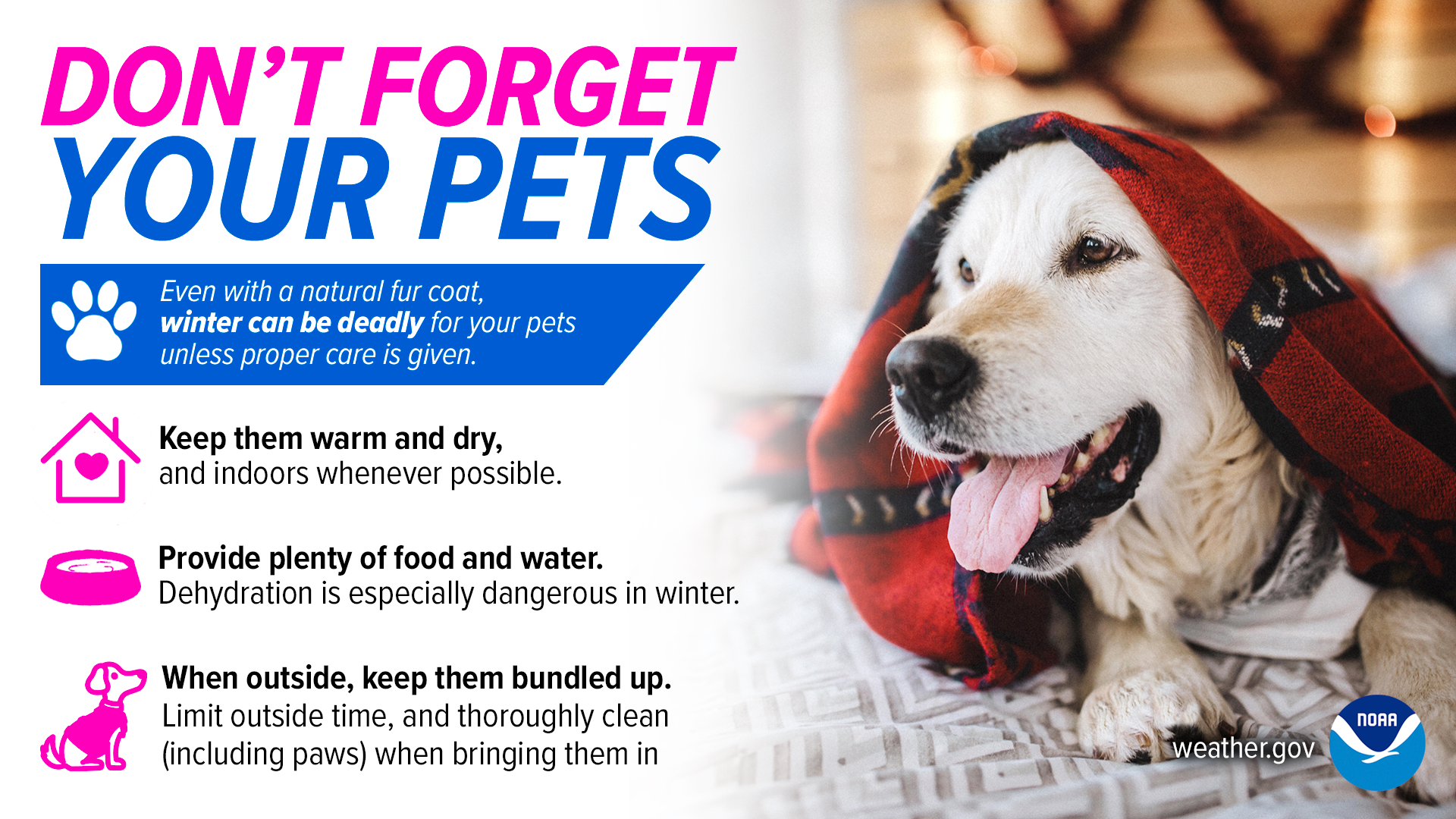
RICHMOND, Va. – Richmond City and Henrico County are expected to be impacted by severe winter weather, including snow, ice, and extremely cold temperatures. Richmond and Henrico Health Districts (RHHD) urge you to prepare now to keep yourself, your family and your pets safe, warm and healthy during this storm. 

“We have all experienced how disruptive winter weather can be to our daily lives,” said Richmond and Henrico Health Districts Director Elaine Perry, M.D. “Take time now to make sure your home, family, friends, and neighbors are ready for this winter storm. Prepare for the storm by organizing your emergency kits and medicines, insulating your home, and staying up to date on weather reports. During the storm, stay indoors as much as possible, ventilate emergency heat sources and check on friends and family. Let’s take care of ourselves and each other as winter weather affects our communities.” 

Before the Storm 

  • Organize and protect your prescriptions, over-the-counter drugs, home-use medical devices, and vitamins. Talk to your doctor or pharmacist about how you can create an emergency supply of medicines. 
  • Replenish fuel for your car and heating sources. 
  • Weatherproof your home by insulating exposed pipes and caulking and weather strip doors/windows. 
    • City of Richmond Inclement Weather Shelter (IWS)
      1900 Chamberlayne Parkway
      Richmond, VA, 23222
      Open 5 p.m.-8 a.m.  
    • The shelter may remain open after 8 a.m. when temperatures are less than or equal to 40°F, or when more than one inch of freezing rain or snow has fallen in 24-hours.  

During/After the Storm 

  • Bring your pets indoors and ensure they have water. 
  • Stay indoors and limit your exposure to the cold. 
  • Properly ventilate emergency heat sources. 
  • Keep generators outside at least 20 feet from your home. 
  • Check on neighbors and family. 

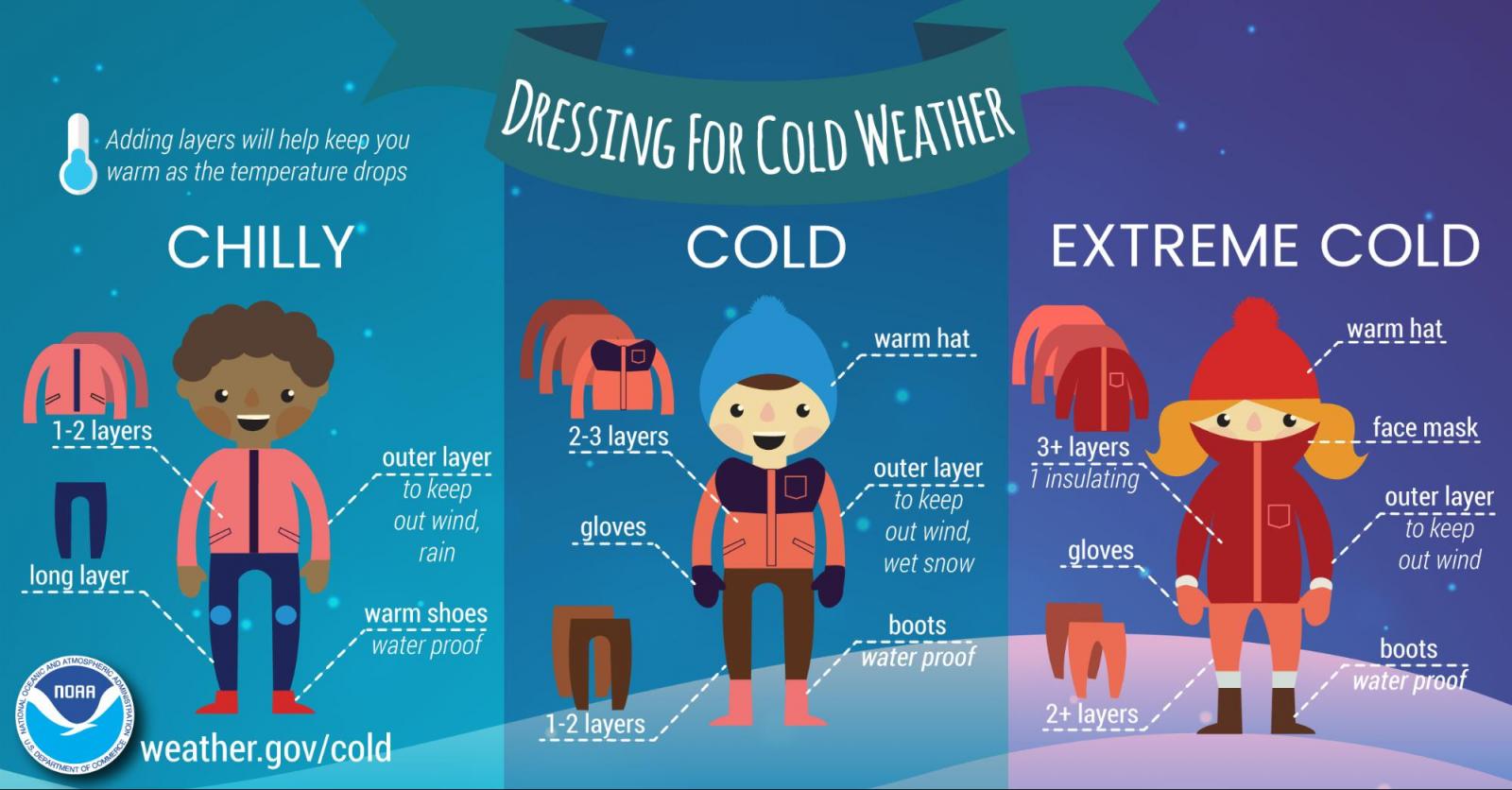
If you must go outside, take the following precautions to stay safe and prevent frostbite and hypothermia: 

  • Wear proper footwear for traction. Take slow, short steps. 
  • Dress warmly and in layers. Make sure you cover your head, fingers and toes. 
  • Avoid getting wet and change out of wet clothes as soon as possible. 
  • Stay hydrated. Drink warm beverages. 

RHHD wants you to stay safe, warm and healthy! Visit rhhd.gov for more health and safety information. Follow RHHD on Instagram (@richmondcity_hd) and Facebook. 

# # # 

Richmond and Henrico Health Districts (RHHD) are sister public health agencies serving our connected communities. Our mission is to protect health, champion equity, and partner to address local needs. 

rhhd.gov | henrico.gov/health | RHHD Facebook | IG: @richmondcity_hd 

Posted in pr

RHHD Encourages Vaccination and Screening to Protect Against Cervical Cancer 

FOR IMMEDIATE RELEASE: January 20, 2026

Media Contact: Bryan Hooten, 804-807-1727, bryan.hooten@vdh.virginia.gov
 

Richmond and Henrico Health Districts Encourage Vaccination and Screening to Protect Against Cervical Cancer 

January is Cervical Health Awareness Month
 

RICHMOND, Va. – In honor of Cervical Health Awareness Month, Richmond and Henrico Health Districts (RHHD) encourage community members to take action against cervical cancer. According to the Centers for Disease Control and Prevention (CDC)human papilloma virus (HPV) causes more than nine out of every 10 cases of cervical cancer. Almost all cervical cancer can be prevented by HPV vaccination. 

  • Parents and guardians should make sure their children have their school-required HPV vaccination prior to starting 7th grade. 
  • Parents and guardians can make appointments for school-required immunizations with their primary care provider, a local pharmacy, or at an in-school clinic. 
  • Women ages 21 and older should talk to their doctor about cervical cancer screening. 
  • The United States Department of Health and Human Services recently approved a self-administered test for cervical cancer for women aged 30-65 years at average risk. This test can be completed at home or at a doctor’s office. Insurance plans will be required to cover the full cost of self-collected HPV screenings by Jan. 1, 2027, with no cost to consumers.  

“Making sure children get the HPV vaccine can help reduce their risk of developing cervical and other cancers,” said Richmond and Henrico Health Districts Director Elaine Perry, M.D. “We encourage our community to protect their health and the health of their children through vaccination and regular screenings for cervical and other cancers.” 

HPV Vaccination 

According to a recent systematic review published in the Cochrane Library, the HPV vaccination: 

  • reduces the incidence of cervical cancer by around 80% in people vaccinated at or before age of 16; 
  • reduces the incidence of high‐grade cervical pre‐cancer lesions, as well as anogenital warts; 
  • is not associated with an increased risk of long‐term side effects or infertility; 
  • is more effective when given at or before the age of 16 years, before onset of sexual activity. 

In November 2024, The Journal of the American Medical Association (JAMA) published a research letter stating that studies from 2022 and 2023 indicated a 12 percent per year decline (overall, 65 percent reduction) in cervical cancer incidence from 2012 to 2019 among US women younger than 25 years who likely benefited from HPV vaccination. 

A new nationwide cohort study from Sweden suggests that widespread HPV vaccination could substantially reduce the risk of precancerous lesions even among people who never received the vaccine.  

HPV vaccination has been recommended for routine use in U.S. women since June 2006.  

  • In Virginia, the HPV vaccine is required for all students, regardless of sex, prior to entry into 7th grade. 
  • Children who receive both doses of the vaccine before age 13 will receive the most protection. 
  • Children who receive their first dose at the age of 15 or older will require three doses to complete the series.  
  • The HPV vaccine is also recommended for people 26 years of age who did not start or complete the vaccination at an earlier age. 
  • HPV vaccine recommendation for persons 27-45 years of age is based on shared clinical decision making. 

According to data from VDH, as of Jan. 13, 2026, 74.1 percent of 13-year-olds in Richmond City and 73.3 percent of 13-year-olds in Henrico County have received at least one dose of the HPV vaccine series. Statewide, 76 percent of 13-year-olds have received least one dose of the HPV vaccine series. 

As of Jan. 13, 2026, 47.4 percent of 18-year-olds in Richmond City and 70.4 percent of 18-year-olds in Henrico County have received the complete HPV vaccine series. Statewide, 62.7 percent of 18-year-olds have received the complete HPV vaccine series. 

HPV and Cervical Cancer Data 

According to data from CDC, HPV causes six different kinds of cancer, including almost all (91 percent) of cervical cancers. HPV also causes 70 percent of head and neck (oropharyngeal) cancers. 

According to the National Cancer Institute’s State Cancer Profile, the rate of new cases of cervical cancer in Virginia has been decreasing steadily from 2017 to 2021. The rates of new cases in Richmond and Henrico were somewhat lower than the rate in Virginia during the same time period. 

Screening and Care for Cervical Cancer 

The Virginia Department of Health (VDH) offers Every Woman’s Life (EWL), a public health program that helps uninsured, income-eligible women gain access to free breast and cervical cancer screening services. Screening and early detection reduce death rates, improve treatment options, and greatly increase rates of survival. If a woman enrolled in EWL is diagnosed with breast or cervical cancer she may be eligible for Medicaid to pay for treatment. Community members can use this link to find a EWL provider near them. 

To be eligible for EWL, a woman must be a Virginia resident between the ages of 18-64, meet federal income guidelines and be uninsured. Women 18-39 must be symptomatic or be determined to be high risk for breast and/or cervical cancer to be eligible.  

Visit rhhd.gov/connect-pc to locate primary care providers in the Richmond and Henrico area. Visit rhhd.gov/childhoodvax for more information on school-required immunizations. For information about RHHD’s clinical health resources and HPV vaccination schedule, call 804-205-3500 or visit rhhd.gov. 

Follow RHHD on Instagram (@richmondcity_hd) and Facebook. 


# # # 

Richmond and Henrico Health Districts (RHHD) are sister public health agencies serving our connected communities. Our mission is to protect health, champion equity, and partner to address local needs. 

rhhd.gov | henrico.gov/health | RHHD Facebook | IG: @richmondcity_hd 

Posted in pr

Richmond and Henrico Health Districts Encourage Community Members to Test Their Homes for Radon

FOR IMMEDIATE RELEASE: January 5, 2026
Media Contact: Bryan Hooten, 804-807-1727, bryan.hooten@vdh.virginia.gov
 

Richmond and Henrico Health Districts Encourage Community Members to Test Their Homes for Radon 

January is National Radon Action Month 

RICHMOND, Va. – Richmond and Henrico Health Districts (RHHD) encourage community members to protect their health by testing their homes for radon. January is National Radon Action Month 

Radon is a naturally occurring, colorless, odorless gas resulting from Uranium decay found in certain types of soil and bedrock. Indoor radon exposure is considered to be the second leading cause of lung cancer, and the leading cause of lung cancer among people who have never smoked. Radon exposure may contribute to 21,000 cases of lung cancer each year in the United States, including almost 700 cases per year in Virginia. 

“Radon testing can help you protect your health and the health of your family members,” said Virginia Department of Health Office of Radiological Health Director Matthew Ettinger. “High radon test results have been found in every county in Virginia, and risk can vary widely from home to home.” 

Radon Risk Areas 

Data from Virginia Department of Health (VDH) Radon Program show that Virginia has 42 counties and six cities classified as high risk, with average radon test results of greater than 4 picocuries per liter (pCi/L). Virginia also has 31 counties and eight cities classified as moderate risk (average radon test results of 2 to 4 pCi/L). 

Richmond City and Henrico County are both classified as moderate radon risk areas, with average indoor radon levels of 2.8 pCi/L in Richmond and 3.1 pCi/L in Henrico County. While these averages are below the EPA action level of 4 pCi/L, some homes have much higher levels of radon. The only way to determine radon risk is to test homes, workplaces, and other indoor areas. Please visit vdh.virginia.gov/radiological-health/indoor-radon-program/testing/ for more information on radon testing and mitigation. 

Community members with confirmed test results between 2 and 4 pCi/L of radon should consider installing a mitigation system. A mitigation system should be installed in a home where the test result is 4 pCi/L or higher. This system can usually be installed in one day and consists of PVC piping connected to a fan which runs constantly to draw out the radon gas from beneath the home and vent it outside and away from anyone’s potential breathing space. Please visit the National Radon Safety Board and the National Radon Proficiency Program to find professional, certified radon mitigators and testers in Virginia. 

Three Things You Should Do During National Radon Action Month 

  • Test your home.  
    • Learn more about testing your home, including how to obtain an easy-to-use test kit.  
    • EPA and the U.S. Surgeon General recommend that all homes in the U.S. be tested for radon. Testing is easy and inexpensive.  
  • Encourage others to learn about radon and to test their homes. 
    • Tell your family and friends about the health risk of radon. Encourage them to test their homes. 
  • Learn about buying or building a radon-resistant home.  

Visit rhhd.gov for more health and safety information. Follow RHHD on Instagram (@richmondcity_hd) and Facebook. 

# # # 

Richmond and Henrico Health Districts (RHHD) are sister public health agencies serving our connected communities. Our mission is to protect health, champion equity, and partner to address local needs. 

rhhd.gov | henrico.gov/health | RHHD Facebook | IG: @richmondcity_hd 

Posted in pr

Countdown to Safety: RHHD Provides Essential Firearm Tips for an Injury-Free New Year’s Eve 

FOR IMMEDIATE RELEASE:December 30, 2025  

Media Contact: Bryan Hooten, 804-807-1727, bryan.hooten@vdh.virginia.gov 

Countdown to Safety: RHHD Provides Essential Firearm Tips for an Injury-Free New Year’s Eve 

Richmond, Va. – The Richmond and Henrico Health Districts (RHHD) remind community members to celebrate New Year’s Eve safely by avoiding celebratory gunfire and ensuring firearms are securely stored. As the holiday approaches, we urge families to review basic firearm-safety practices to help keep our community safe. 

Firearm injuries are a public health issue that can affect anyone, regardless of their sex, age, race, ethnicity, or place of residence. The Virginia Department of Health reported 2,488 firearm injury emergency department (ED) visits in 2023. 

“New Year’s Eve is a time to gather with friends and family and celebrate the promise of the year ahead,” said Richmond and Henrico Deputy Director Melissa Viray, M.D. “We encourage our communities to celebrate responsibly, keep firearms safely stored, and avoid celebratory gunfire.” 

Safe alternatives for celebrating include using noisemakers, making music together, or preparing traditional New Year’s Day foods. 

If you hear or witness celebratory gunfire, call 911 immediately and do not confront the person responsible.  

RHHD urges community members to:  

  • Store all firearms unloaded, locked, and keep ammunition separate. 
  • Use lockable firearm cases, firearm safes, or cable locks to prevent access.   
  • Remove firearms from the home if you or a loved one is struggling.  
  • If you are a parent or caregiver, ask about firearm storage practices before you send your child to someone else’s home to play. 
  • Teach your children about the dangers of firearms and the importance of safe storage. 
  • Review your own firearm safety practices and make sure they are up to date. 

While the holidays can spark joy and celebration, they can also create stress or bring up difficult emotions. If you or a loved one is going through a tough time, call or text 988 for help and support.  

RHHD serves as the operating agent for the Trauma Healing Response Network (THRN) and coordinates the THRN as part of an overall gun violence prevention program. THRN coordinates, tracks, and monitors community-based, culturally responsive, resident-led programs to facilitate healing and respond to acts of gun violence through an evidence-based, trauma-informed lens. Community members can learn more about the THRN by visiting their Instagram and Facebook pages. For more information on the RHHD Youth Violence Prevention Program, contact Lorraine Wright at lorraine.wright@vdh.virginia.gov or call 804-482-8016. 

RHHD’s goal is to keep Virginians injury-free this New Year’s Eve and into the New Year. RHHD wishes you a happy, healthy, and safe holiday.  

For more information, please Visit rhhd.gov for more health and safety information. Follow RHHD on Instagram (@richmondcity_hd) and Facebook.  

# # # 

Richmond and Henrico Health Districts (RHHD) are sister public health agencies serving our connected communities. Our mission is to protect health, champion equity, and partner to address local needs. 

rhhd.gov | henrico.gov/health | RHHD Facebook | IG: @richmondcity_hd 

Posted in pr

Richmond and Henrico Health Districts Provide Tips for Safe, Healthy Holiday Travel 

FOR IMMEDIATE RELEASE: December 19, 2025
Media Contact: Bryan Hooten, 804-807-1727, bryan.hooten@vdh.virginia.gov 

Richmond and Henrico Health Districts Provide Tips for Safe, Healthy Holiday Travel
Plan Ahead for a Healthy and Safe Holiday 

RICHMOND, Va. – As you and your family prepare to travel during the holiday season, Richmond and Henrico Health District (RHHD) remind you to take important steps now to keep you and your loved ones safe and healthy. Holiday travel and festive gatherings can increase the risk of spreading infectious diseases and encountering unexpected emergencies. 

“Gathering with friends and family is one of the highlights of the holiday season,” said Richmond and Henrico Health Districts Director Elaine Perry, M.D. “When we take steps like checking our immunization status, preventing seasonal illness, and making smart travel decisions, we protect our health and the health of our loved ones. Have a safe and memorable holiday, whether you are traveling or staying close to home.” 

RHHD shares these tips to healthy and safe holiday travel: 

  • Check Immunization Status: To check your immunization status, call your healthcare provider or request records through the VDH Record Request Portal. Make sure you are up-to-date on all of your recommended vaccines. Measles and other infectious diseases can spread quickly in a large group of unvaccinated people.  
  • Prevent Seasonal Illnesses: Protect yourself and your loved ones from respiratory viruses like COVID-19, flu, and RSV by doing three little things: washing your hands, covering your cough and getting vaccinated. Everyone aged six months and older should get a flu shot every year, with a few exceptions. Talk to a healthcare provider about which vaccines are recommended for you and your family. 
  • Pack Smart: Pack enough prescription medications for the entire trip, plus extra in case of delays. Keep medications in their original containers and carry them in your hand luggage. Pack a travel health kit. 
  • Stay Home if Sick: Postpone your travel and stay home when you are sick. Consider purchasing trip cancellation insurance to cover expenses if you must change your plans due to illness. 

RHHD wishes everyone a safe, healthy, and festive holiday season. Visit rhhd.gov for more travel tips and health and safety information. Follow RHHD on Instagram (@richmondcity_hd) and Facebook.  

# # # 

Richmond and Henrico Health Districts (RHHD) are sister public health agencies serving our connected communities. Our mission is to protect health, champion equity, and partner to address local needs. 

rhhd.gov | henrico.gov/health | RHHD Facebook | IG: @richmondcity_hd 

Posted in pr

RHHD Encourages Product Recall Awareness

FOR IMMEDIATE RELEASE: December 15, 2025 

Media Contact: Bryan Hooten, 804-807-1727, bryan.hooten@vdh.virginia.gov  

Richmond and Henrico Health Districts Encourage Product Recall Awareness During the Holidays 

RICHMOND, Va. Richmond and Henrico Health Districts (RHHD) encourage community members to stay aware of food and toy recalls during the holiday season. Recalls let consumers know if there have been possible illnesses or injuries associated with items they’ve purchased.  

“We encourage everyone to be aware of safety recalls during the holidays,” said Richmond and Henrico Health Districts Environmental Health Manager Cindy McKelvy. “Recalls protect consumers when a safety issue is found in food or in consumer products like toys. Anything from a missing allergen label to burn and fire hazards can cause a recall. Once a recall has been initiated, consumers should check their pantries, refrigerators or freezers, and their children’s toys for any recalled items. Community members should ensure their safety and the safety of their families by carefully following recall instructions for return or disposal of the items.” 

Recent Food-Related Outbreaks and Product-Related Injuries and Deaths 

There have been food-related outbreaks of salmonella, listeria and infant botulism in the U.S. in 2025.  

According to the 2024 Annual Report from the Consumer Product Safety Commission, there were 62 deaths and an estimated 87,709 emergency department-treated injuries associated with use of child nursery equipment and supplies. There were 13 deaths and 180,224 emergency department-treated injuries associated with the use of toys.  

These organizations post recall information: 

If you have purchased a recalled product:  

  • Do not eat or use the product. 
  • Return the food or toy for a refund, as instructed by the recall. 
  • Dispose of the product safely, as instructed by the recall. 
  • In the case of a food recall, clean surfaces, drawers, or utensils that came into contact with the food.  

Follow these tips to ensure all holiday gifts are safe for children:  

  • Make sure any toy you buy is age appropriate. Children under three should not use toys with small parts that can easily go into a mouth. If you’re not sure about size, try fitting toy parts through a toilet paper roll — toys that can pass through the roll will pose a choking hazard.  
  • Follow all packaging instructions about safe usage.  
  • If you’re gifting a bike, skates, or scooter, add a helmet to the package. 

Visit rhhd.gov for more health and safety information. Follow RHHD on Instagram (@richmondcity_hd) and Facebook. 

### 

Richmond and Henrico Health Districts (RHHD) are sister public health agencies serving our connected communities. Our mission is to protect health, champion equity, and partner to address local needs. 

rhhd.gov | henrico.gov/health | RHHD Facebook | IG: @richmondcity_hd