VIPTA is a statewide infection prevention and control education collaborative, led by the Virginia Healthcare-Associated Infections Advisory Group. Through partnership, VIPTA curates IPC resources for Virginia’s healthcare, congregate care, and public health settings.

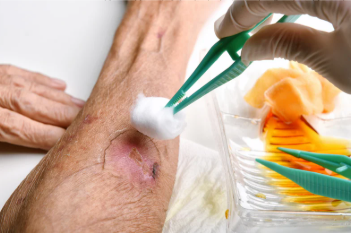
Wrap It Up: Infection Prevention Wound Care Resources
We’ve done the wrapping and you get to open the educational package! Whether you’re refreshing staff education, strengthening your wound care program, or looking for practical teaching tools, these free resources are ready to help you put infection prevention into practice.
What to Expect:
Wound Care Educational Handout: A colorful, easy-to-follow visual resource that highlights key infection prevention practices before, during, and after wound care.
TRAIN Virginia Wound Care Series: Start with “VDH: Wound Care Infection Risks and Your Infection Prevention Program” (Course ID 1127475) and continue through the full series exploring infection prevention principles, common infection transmission risks, and evidence-based practices through interactive scenarios and knowledge checks.
VDH Wound Care Infection Prevention and Control Guidance & Observation Tool: A ready-to-use observation checklist that you can use for audits, competency validation, and helps standardize wound care practices across your facility.
How to use it:
- Observe before you educate. Use the observation tool to identify your team’s strengths and opportunities, then tailor education to the practices you actually see instead of guessing where knowledge gaps exist.
- Make observations less intimidating. Use the checklist as a coaching tool rather than an audit, creating opportunities for real-time feedback and discussion.
- Who else should be trained? Anyone who assists during wound care, including nursing assistants and other healthcare personnel who provide an extra set of hands, should understand infection prevention practices that help protect the patient.
Target Audience: Foundational & Intermediate IPC Education Level



Carilion Clinic
The Carilion Clinic Infection Prevention and Control (IPC) team is engaging patients in the outpatient hand hygiene program. Infection prevention is a team effort, and everyone, including patients, has a role to play. Hand hygiene is the most crucial strategy for preventing infections, and through this program, Carilion is committed to providing the best patient care.
The Patient Feedback Monitoring Program invites patients at ambulatory sites to provide feedback on their providers’ hand hygiene. During their visits, patients receive feedback cards where they can indicate “yes,” “no,” or “unsure” if their provider performed hand hygiene before initiating physical contact. These data are compiled into a Tableau dashboard and shared with sites in real-time to evaluate compliance. The goal of this program is to highlight the importance of hand hygiene in the clinical setting and empower patients to be allies and advocates for infection prevention.
Since the program’s creation, the Carilion Clinic IPC team has been actively engaging ambulatory clinics and promoting the initiative, setting a goal for each clinic to submit 40 observations per month. Collaborating with the marketing and technology departments, the team ensured that the observation tools are accessible. The total number of outpatient hand hygiene observations increased from 12,311 in 2022 to 17,033 in 2023. As of July 2024, outpatient clinics have already collected 11,259 observations, and the year is only half over!
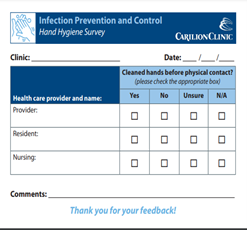
Carilion Clinic IPC Hand Hygiene Survey