
The 2024-2025 MAPP2Health Community Health Assessment were lead by a Core Group of BRHD, Sentara Martha Jefferson Hospital, and UVA Health. Together with a 14-member Steering Committee, we assessed the health of our community through data analysis, surveys, interviews, focus groups, and a Photovoice project.
For the complete list of results and recommendations, download a PDF of the 2025 MAPP2Health Report.

NELSON COUNTY: RANDOMIZED DOOR-TO-DOOR HOUSEHOLD SURVEY
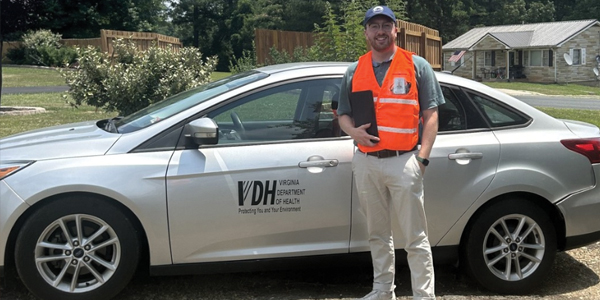 The MAPP2Health team interviewed 100 residents in Nelson County’s Arrington, Amherst, Faber, Gladstone, Howardsville, Norwood, Schulyer, Shipman, and Wingina neighborhoods from June-August 2024.
These door-to-door randomized surveys were conducted by our trained Survey Squad. The surveys happened on the front porch and lasted approximately 7 minutes each. Participants received a $25 gift card for completing their survey. The survey was anonymous, confidential, and private.
What we learned:
Biggest Health Problems
- Diabetes (most frequently cited health issue)
- High blood pressure
- Mental health conditions (such as anxiety and depression)
Main Obstacles to Good Health
- Poor access to healthcare (distance, availability, cost)
- Not enough time to focus on health needs (working and childcare demands)
- Limited access to healthy foods (too expensive, unavailable, or far away)
- Not enough money overall.
Supports Residents Said They Need
- Money (to meet basic needs)
- Doctors and healthcare providers close by
- Community support systems (accountability groups, peer groups)
- Health information that is clear and available through multiple channels (accessible)
KEY-INFORMANT INTERVIEWS
 We took the Randomized Door-to-Door Survey and gave it more room for open answers. We interviewed 347 community members from across Albemarle, Charlottesville, Fluvanna, Greene, Louisa or Nelson. We met participants at food pantries, community events, neighborhood gatherings, clinic office hours, and farmer’s markets. Participants received a $25 gift card for completing their interview.
What we learned:
Biggest Health Problems
- High blood pressure
- Mental health conditions (such as anxiety, depression, mental health disorders)
- Diabetes
- Weight, joint, back and heart problems
Main Obstacles to Good Health
- Not enough time to focus on health needs (working and childcare demands)
- Cost of healthy food
- Lack of exercise
- Aging
- Fatigue
Supports Residents Said They Need
- Mental health support
- Access to healthier food
- Gym nearby
- Community support systems (accountability groups, peer groups).
- Transportation
FOCUS GROUPS
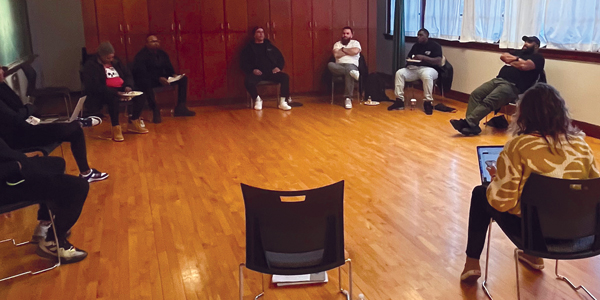 We met with four groups of residents from throughout the district, both in-person and online. Focus group participants identified as people with disabilities; LGBTQ+; Spanish-speaking Community Health Workers; and those formerly incarcerated. We spoke with 22 residents in total. The focus group discussions centered around major health issues that concerned participants, details about the obstacles they faced to good health, and brainstorming about supports they needed.
What we learned:
Biggest Health Problems
- Obesity
- Mental health (such as anxiety, depression, mental health disorders)
- Diabetes
Main Obstacles to Good Health
- Healthcare access (including culturally sensitive care from providers who are allies; long wait times for appointments)
- Transportation
- Language barriers
- Insurance costs and complications with attaining coverage
Supports Residents Said They Need
- Mental health support
- Community and clinical support systems (accountability groups, peer groups, cooking classes).
- Better Telehealth services
STAKEHOLDER SURVEY
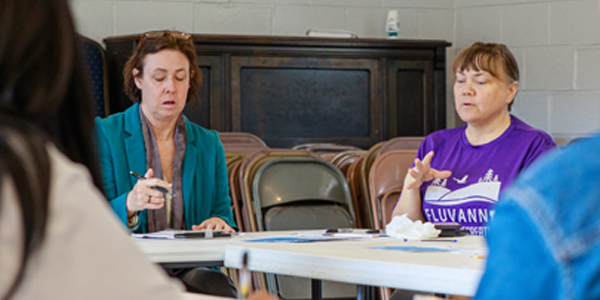 We opened a survey online from August 6-December 27. 2024 and invited community partners, agencies, and organizations districtwide who work with or represent community members. Participants chose from multiple choice lists to identify health problems, obstacles, and supports their clients need.
The Stakeholder Survey results don’t represent the whole district. Because most respondents work in organizations that serve specific groups (like older adults, people with disabilities, or families), their answers reflect the needs they see most often in their own work. Even with these limits, the survey offers valuable insight into what local service providers are seeing every day. Their perspective helps point us toward the kinds of support that could make the biggest difference.
What we learned:
Biggest Health Problems
- Mental health (such as anxiety, depression, mental health disorders)
- Age-related conditions (hearing loss, memory loss)
- Substance use disorders
- Dental problems
- Diabetes
Main Obstacles to Good Health
- Healthcare access (including culturally sensitive care from providers who are allies; long wait times for appointments)
- Lack of time
- Lack of money
- Cost of healthy food
- Lack of exercise
Supports Stakeholders Said Were Most Needed
-
Affordable housing
-
Advocacy and legal support
-
Access to healthy food
-
Childcare
-
Transportation
ONLINE COMMUNITY SURVEY
 We opened the online survey for community members from August 6-December 27, 2024 and received 623 responses. The questions were similar to our Household Survey questions, and adapted from VDH’s Behavioral Risk Factor Surveillance System survey tool. Like the Stakeholder Survey, participants had a preselected multiple choice answers to choose from. The answers skewed toward older, wealthier, more educated residents in the district who were predominately White.
What we learned:
Biggest Health Problems
- Chronic pain
- Age-related conditions
- Mental health conditions
- Obesity
- Diabetes
- Heart conditions
Main Obstacles to Good Health
- Lack of exercise
- Limited access to healthcare
- Unhealthy diet
- Problems with housing, safety, and mobility (the built environment)
Supports Residents Said They Need
- Better healthcare access
- Mental health support
- Access to healthy food
- Money
- Affordable housing
- Home maintenance