DDP E-Bulletin: December 2025

December Ebulletin Header

From Our New Director


Rachel Stallings, MPH, Director, Division of Disease Prevention

Hello! My name is Rachel Stallings, and I am the new Director of the Division of Disease Prevention.

I’m very excited to start in this new role and continue the excellent work of DDP. I look forward to continuing to support the work of our community partners.

I’m a native of northeastern Ohio. I played lacrosse at Virginia Tech while completing my B.S. in Biology. I then went on to complete my MPH with a concentration in Infectious Disease. Most of my free time is spent with my family (my husband, our two young girls, and our dog).

Since joining DDP in 2015, I have worked within three of the four DDP units:

    • STD Prevention and Surveillance
    • HIV & Hepatitis Prevention
    • HIV & Hepatitis Surveillance

I look forward to meeting new colleagues and working with those of you I already know in a new capacity! Please reach out if anyone needs anything as we begin our work together. My email is rachel.stallings@vdh.virginia.gov.

Wishing you all happy holidays.

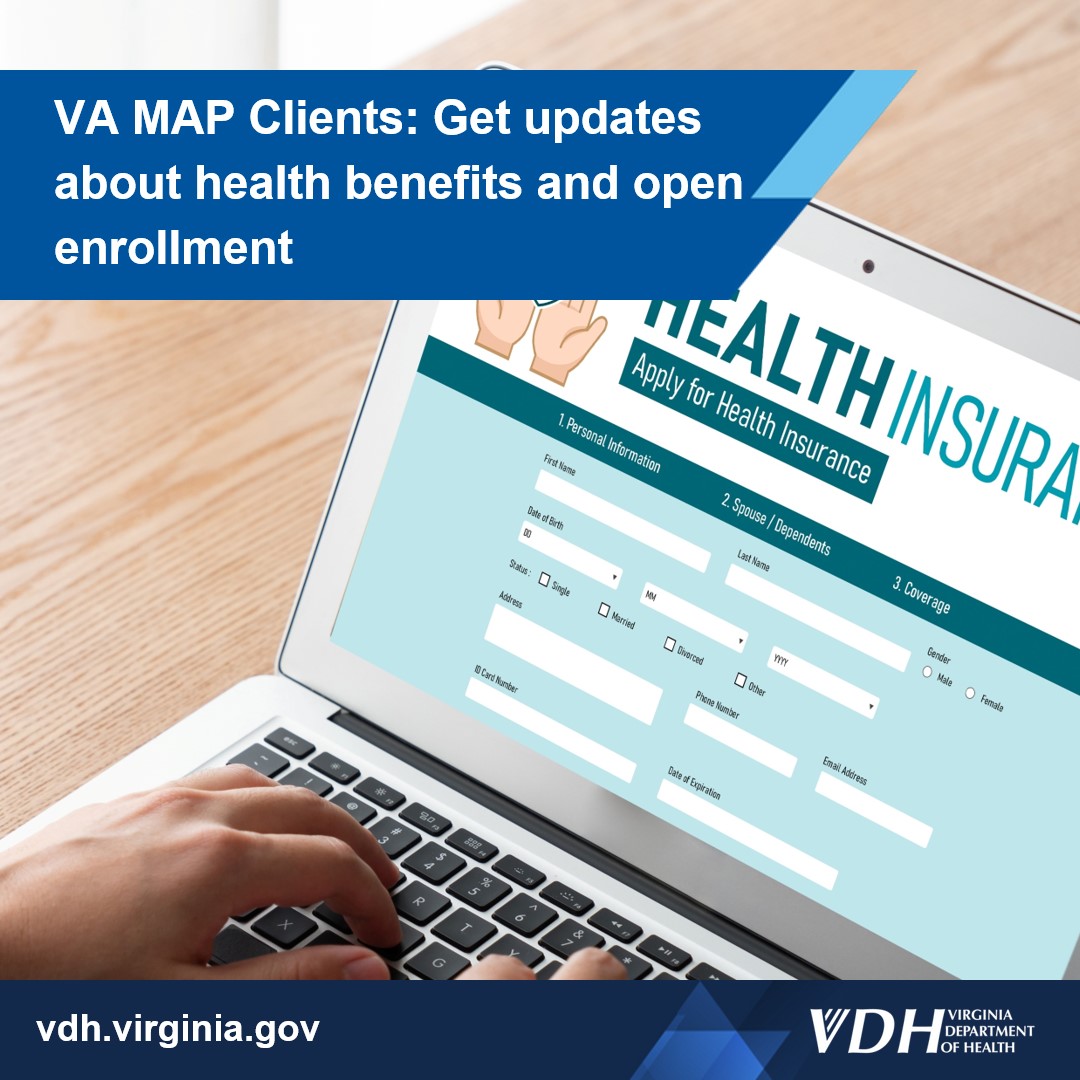
Image promoting learning about open enrollment for VA MAP clients
Download and share this image on your socials to ensure VA MAP clients are going through open enrollment for 2026!  Link to the VA MAP page for more info: https://bit.ly/3MD9Itb.


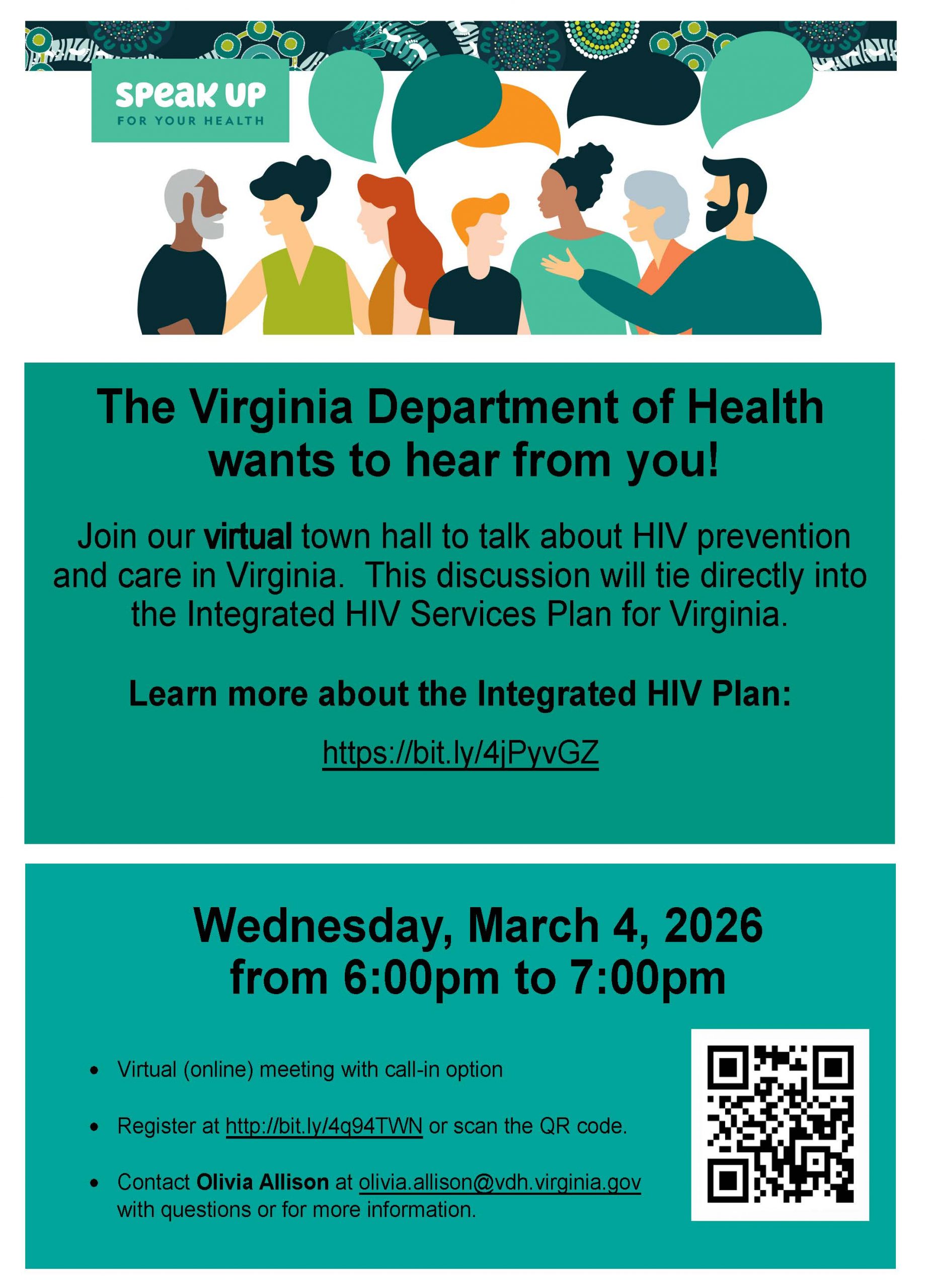
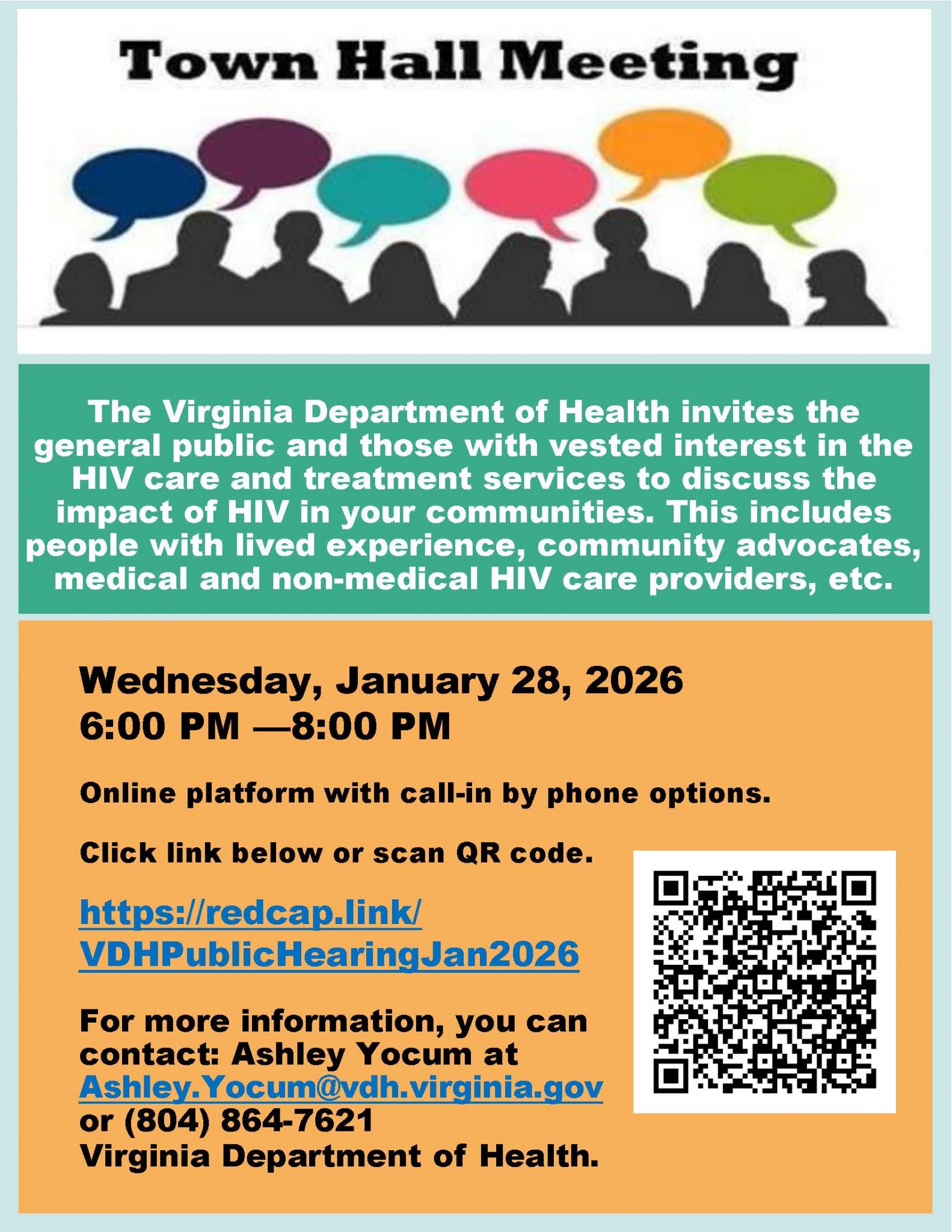
HIV Care and Treatment Services Town Hall

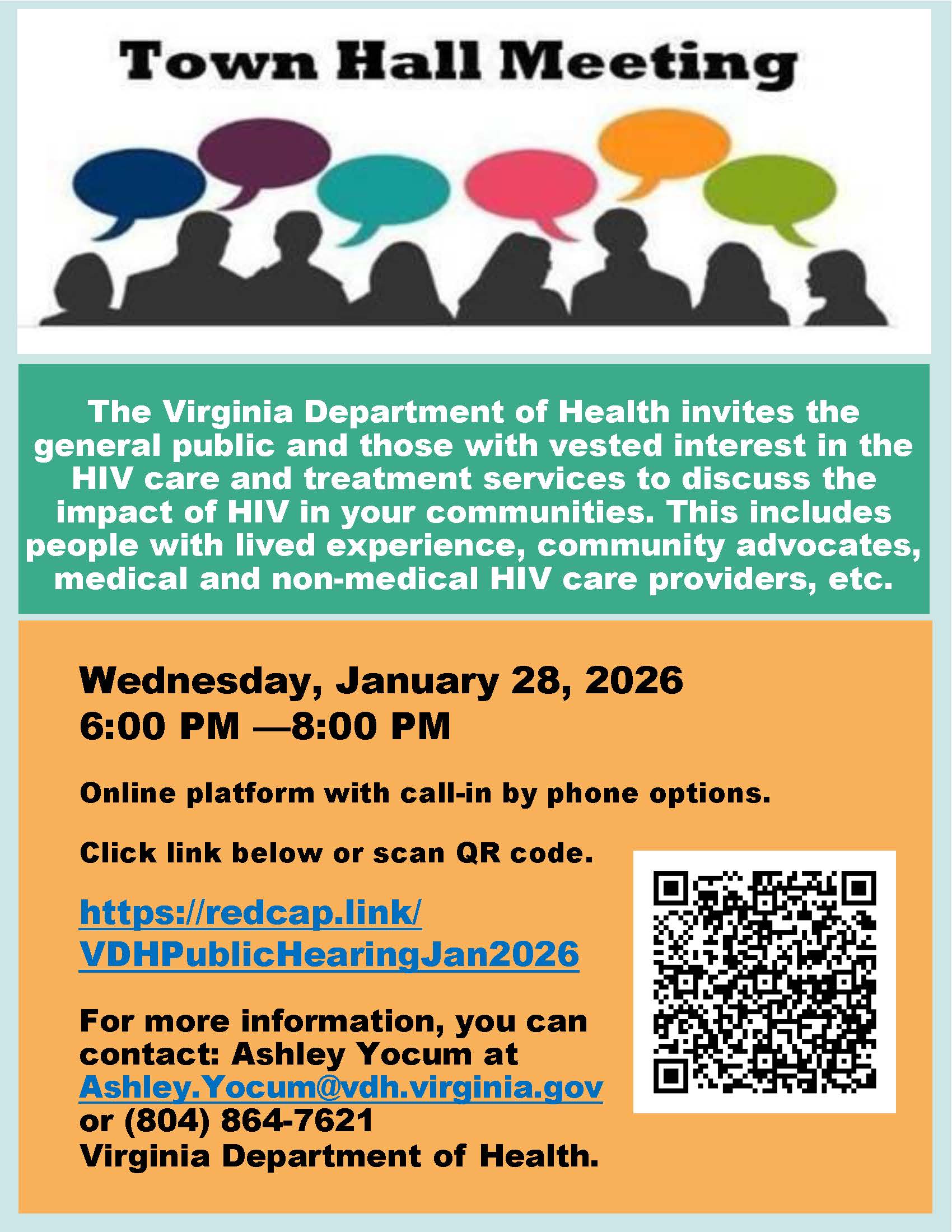
VDH is hosting a town hall for the general public and those with vested interest in HIV care and treatment services to discuss the impact of HIV in their communities. This includes people with lived experiences, community advocates, medical and non-medical care providers, etc.

The town hall will be held virtually on Wednesday, January 28, 2026, from 6 p.m. to 8 p.m. There will also be a call-in option for those without computer access. To register for the town hall, please sign up through REDCap.

For more information, questions, or if you need help registering, please contact Ashley Yocum, Care Services Planner, at ashley.yocum@vdh.virginia.gov or (804) 864-7621.


AIDSVu Calculator Promo Image

DDP Condom Program Update

The state contract with Global Protection has still not been resolved. However, VDH can fulfill condom orders for agencies based on current supply. DDP's current condom inventory is actively changing. Due to this, DDP has removed the order form from the community partners’ webpage and asks that you email the Disease Prevention Hotline at hiv-stdhotline@vdh.virginia.gov for the most updated form.

As a reminder, community-based organizations and local health districts are eligible to participate in the DDP Condom Distribution Program. Organizations that participate in the program may order up to 100,000 condoms each year. Agencies with multiple locations/sites may be approved to order more.

Please contact the Disease Prevention Hotline if you are interested in becoming a distribution site, for the most current order form, or for general questions about the program, at hiv-stdhotline@vdh.virginia.gov.


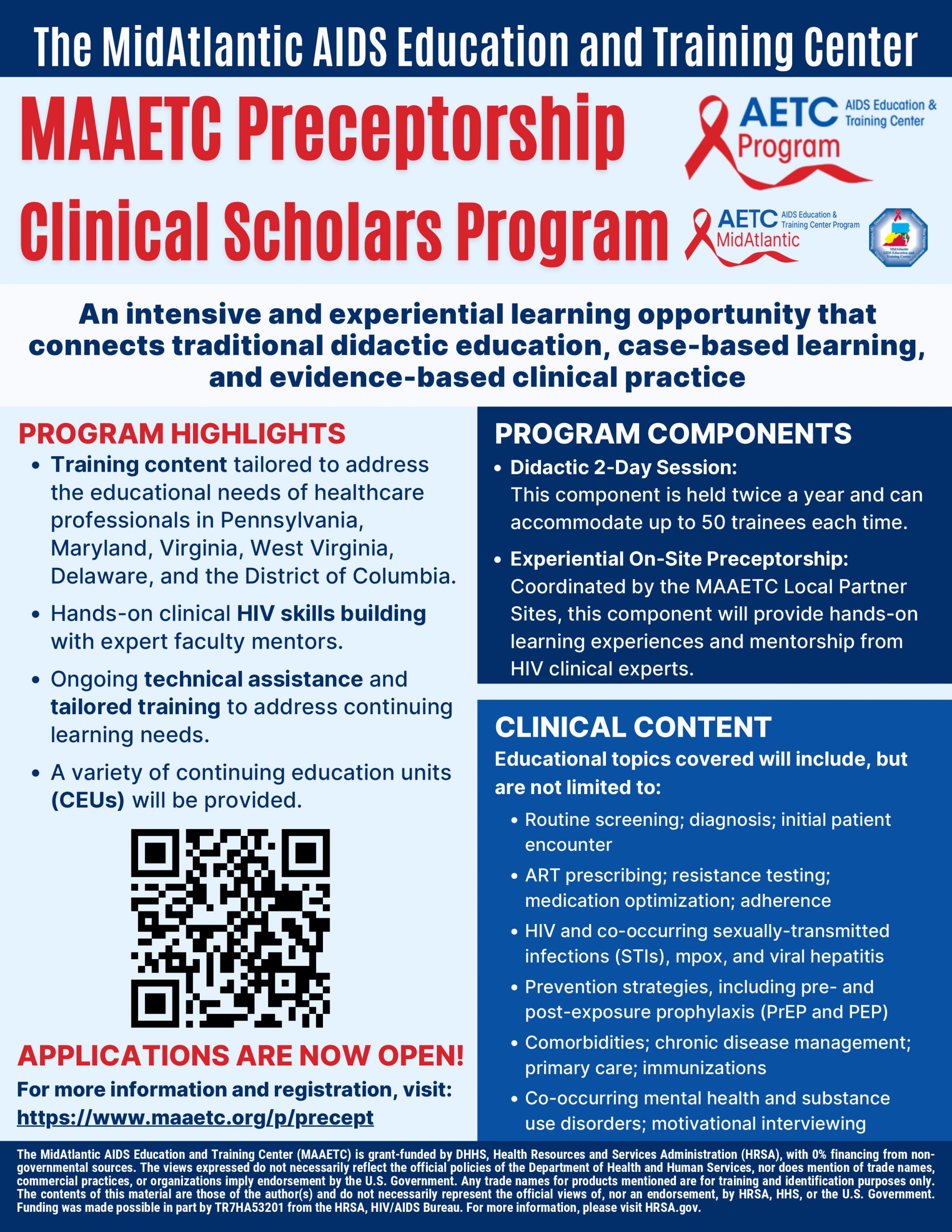
MidAtlantic AETC Training & Resources

The MidAtlantic AETC continues to offer regular training courses. Through December 2025 and January 2026 there are numerous courses that are required for staff providing rapid HIV testing in Virginia (HIV Facts and Fundamentals).

Search for training courses near you for you or your staff.

The AETC has also created pocket guides in electronic format available for viewing and download. Some of the topics include:

    • Mental Health and HIV
    • Key Concepts in Motivational Interviewing
    • Lessons in Patient Assessment & Engagement
    • Non-Occupational Post-Exposure Prophylaxis (nPEP)
    • HIV Case Finding for Persons with Substance Use Disorder

Access the more than ten clinical pocket guides on the AETC website.


DDP Security & Confidentiality Policies and Procedures

Each year DDP sends out DDP Security and Confidentiality Policies and Procedures for all staff and agencies that handle, use, enter, or analyze DDP confidential paper records, electronic records, or data. DDP staff have an internal process to acknowledge these policies and procedures.

Non-DDP staff have a separate process. Non-DDP staff include external contractors, service providers, and data recipients. The non-DDP staff policies and procedures can be found on the community partners webpage.

These policies and procedures have been sent to non-DDP responsible parties as of December 10, 2025. Anyone who received these policies should review them and complete the REDCap verification form by December 31, 2025. All other non-DDP staff should sign the Verification of Receipt form by December 31, 2025, and retain the forms on site for review by your DDP contract monitor at your annual site visit.

For questions regarding the process for non-DDP staff to complete this REDCap form, or if you believe you received the document by mistake, please contact Brianna Carey, HIV Counseling, Testing, & Referral Program Coordinator, at brianna.carey@vdh.virginia.gov.

Note: if you are a DDP staff member and have not received an email requesting that you review the policies and procedures, please contact Christina Martone, HIV Network Detection and Response Program Coordinator, at christina.martone@vdh.virginia.gov.


Personnel Announcements

Congratulations

The Office of Epidemiology and DDP offer congratulations to Rachel Stallings, who was recently promoted to Director of the Division of Disease Prevention. Read her highlight at the beginning of the e-bulletin for more information!

Jenny Kienzle is the Acting Director of the HIV and Hepatitis Surveillance (HHS) Unit until the position is filled. Jenny can be reached at jennifer.kienzle@vdh.virginia.gov for any HHS needs.

Farewell

Reid Auchterlonie, HIV Data Analyst, had her last day with VDH on December 12, 2025. Reid was with the DDP surveillance team for nearly a year and provided great insight and innovation on multiple projects, including updating and recreating dashboards; creating data entry tools; and conducting data trainings for multiple prevention programs. Until the position is filled, if you need assistance on projects Reid worked on, please contact Lauren Maxwell at L.maxwell@vdh.virginia.gov.

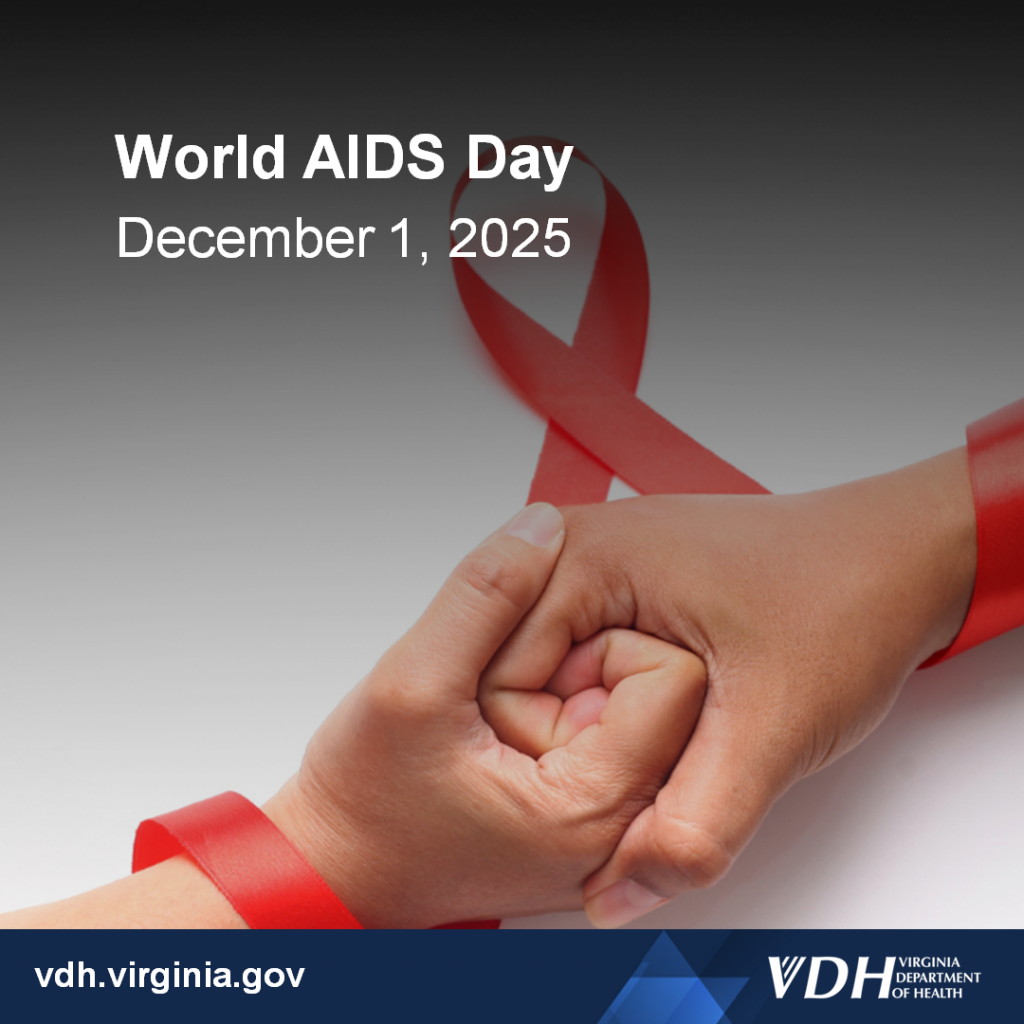
World AIDS Day: December 1

Worlds AIDS Day has been observed on December 1 each year since 1988. Every year, communities stand together, united with the red ribbon. We remember those who have been lost, unite in the fight against HIV and AIDS, and raise awareness to prevent new cases of HIV.

World AIDS Day 2025, Red Ribbon ImageWhat’s happening in Virginia?

During the COVID-19 pandemic and social distancing measures, patients were less likely to seek routine screening and testing, and as a result Virginia reported fewer new cases during that time. The total number of HIV cases annually in Virginia have returned to pre-pandemic levels. Certain communities continue to be impacted by HIV more than others. Youth, ages 15-19, saw a 41% increase in new HIV cases from 2023 to 2024. Black and Hispanic/Latino persons have seen a 27% increase in new cases each year since 2022.

There are over 28,000 people living with HIV in the Commonwealth of Virginia. More than 75% of people with HIV in Virginia are men, and over half are 50 or older. While Black, non-Hispanic people make up 19% of the population in the Commonwealth, 56% of people with HIV identify as Black, non-Hispanic in Virginia.

Find more detailed HIV statistics on the data and reports page and the HIV data dashboard.

Scientific Progress

Major advances in science have been made since HIV/AIDS was first discovered. HIV testing is fast, reliable, and available at any local health department or healthcare provider. Testing is the only way to know if you have HIV. Not everyone has symptoms during the onset of the infection. Having a sexually transmitted disease (STD) can make it easier to get or transmit HIV.

Find HIV and STD testing near you on the VDH testing page. Learn more about HIV prevention on the HIV prevention page.

HIV Treatment

Advances in HIV treatment help people with HIV live long and healthy lives.

It is proven that when a person with HIV has reached and sustains an undetectable viral load, they will not transmit HIV to their partner sexually. An undetectable viral load means that the number of copies of the virus in the body cannot be detected by certain tests. This is often referred to as Undetectable=Untransmittable, or “U=U.”

Getting into medical care and starting treatment immediately is important. The sooner a person with HIV starts HIV treatment, the better their health outcomes will be.

Have Questions or Need Help?

If you or anyone you know has been diagnosed with HIV, help is available. Financial assistance with the cost of medications or copays is available through local, state, or federal programs. These programs can also help you find support groups or other social services in your area. Learn more on our website or call the Disease Prevention Hotline at (800) 533-4148.

DDP E-Bulletin: November 2025

November Ebulletin Header Photo

Mpox Situation Update

Data Updates

Virginia continues to see an increase in mpox cases reported during 2025 compared to cases reported in 2024. Through November 19, 2025, 34 mpox cases have been reported, surpassing the total number of cases reported in all of 2024 (27).

Mpox Photo, SquareMpox cases continue to occur primarily in men. Mpox also disproportionately affects communities of color. Mpox cases have occurred in all five state health regions, with the greatest number of cases reported from Virginia’s Northern and Central health planning regions (82%).

The mpox data dashboard is updated weekly with mpox case numbers.

How You Can Help

Almost 77% of mpox cases have been in people who had not received an mpox vaccine. Vaccination remains the best way to protect against the monkeypox virus. The JYNNEOS vaccine is administered as a two-dose regimen and both doses are needed to provide the best protection against the virus. People can receive their second dose of JYNNEOS at least 28 days after getting their first dose.

Six patients with mpox were hospitalized so far during 2025 in Virginia. Those with compromised immune systems, such as persons with HIV, are at greater risk for severe health outcomes from mpox, including hospitalization and death. DDP asks local health department staff and community partners to talk with patients with compromised immune systems, who might be at greater risk (see vaccine eligibility) for severe mpox outcomes, about getting vaccinated.

What We Are Doing

DDP and the Division of Surveillance and Investigation (DSI) continue to provide a collaborative mpox response. DSI monitors/investigates cases, and updates VDH mpox data weekly. DDP communicates mpox updates within VDH, to providers, and our community partners through website updates, social media, clinician letters, various newsletters, and presentations to various audiences.

Clade I Community Spread

As of October 17, 2025, three non-related cases of clade I mpox were identified in Southern California. Clade I mpox is causing an ongoing outbreak in Central and Eastern Africa. Clade I cases have not been part of the previous mpox outbreak in the U.S., which was comprised exclusively of clade II. While the risk of clade I mpox to the public in the U.S. remains low, these new cases are cause for concern because they occurred in residents without a history of recent international travel, indicating person-to-person community spread in California. Learn more about the clade I cases on the California Department of Public Health’s website.

Got Questions?

For information, clinician resources, or general resources for the public, visit the mpox website at www.vdh.virginia.gov/mpox. For any questions about DDP mpox efforts, please contact Diana Prat, Deputy Director, Division of Disease Prevention, at diana.prat@vdh.virginia.gov.

Helping Hand Concept Photo

Health Benefits Enrollment for VA MAP Clients

Virginia Medicare Open Enrollment: Medicare open enrollment began October 15 and continues through December 7, 2025.

Virginia Insurance Marketplace (VIM) Open Enrollment/ACA: Virginia ACA open enrollment began November 1 and continues through January 30, 2026.

Benalytics, the VDH contracted insurance enrollment partner, assists specific Ryan White clients with enrollment into Medicare and ACA coverages.

Find open enrollment and health insurance updates for VA MAP clients on the VA MAP webpage.


Policy Aid: Innovations in Syphilis Policy Playbook

The National Coalition of STD Directors (NCSD) has released their Policy Aid: Innovations in Syphilis Policy Playbook. As one solution to the increased need for solutions to syphilis and congenital syphilis cases, NCSD released this document. It examines six syphilis prevention policy strategies that were implemented by health departments across the U.S. Key implementation steps and considerations for replication and adaptation are included in the document. Results, lessons learned, and other considerations are also included.

View the full PDF from NCSD to learn more. For questions related to the policy aid, contact NCSD’s policy team at policyteam@NCSDDC.org.


AIDSVu Calculator Promo Image

AIDSVu Launches HIV Impact Calculator

AIDSVu has launched a new interactive HIV Impact Calculator to help policymakers, public health professionals, advocates, and communities. The calculator helps model how changes in PrEP coverage and viral suppression rates can impact new HIV infections and overall healthcare costs.


HIV Network Detection and Response (Formerly HIV Cluster Detection and Response)

The HIV Cluster Detection and Response (CDR) program is changing its name to HIV Network Detection and Response (NDR). Feedback from our Community HIV Planning Group and discussions with other jurisdictions who have made this transition confirm the term ‘network’ is less stigmatizing. The name change will also decrease past confusion that an identified cluster indicates an outbreak.

Please refer to the NDR webpage for additional information about this program. For questions, please contact Garrett Shields, NDR Program Manager, at garrett.shields@vdh.virginia.gov.


Free STI Training During November for Urgent Care Providers

The National Coalition of STD Directors (NCSD) is offering a training, Sexually Transmitted Infections and Diseases in Urgent Care Centers. CEUs are available and the training is being offered at no cost during November.

Recognizing that more patients are turning to urgent care centers for treatment of potential STIs, NCSD organized this training. The course will educate providers to identify and treat the most commonly encountered sexually transmitted infections in the urgent care setting. At course completion, .5 ANCC credits are earned.

Share this opportunity with any providers in your network who work in urgent care and other providers who may be interested.

Providers should visit the NCSD Learning Center to register for the course. They must have an account to register. Creating an account in the NCSD Learning Center is free if they do not already have one.


2024 HIV Continuum of Care Available

The 2024 HIV Continuum of Care is now available on the DDP Data and Reports page. This final Virginia report brings us to the current year.

For any questions about the report, please contact Lauren Maxwell, Lead HIV Epidemiologist, at L.maxwell@vdh.virginia.gov.


3-Day STI Overview

The STD/HIV Prevention Training Center, John Hopkins Medicine is offering a “3 Day STI Overview”. The 3-day course runs December 9 through December 11, 2025, and is available to all health care providers and health care workers in the District of Columbia and the states of Delaware, Kentucky, Maryland, Pennsylvania, Tennessee, Virginia, and West Virginia.

Topics covered in the course include:

    • STI surveillance data
    • Taking a sexual history/patient communication
    • STI screening guidelines
    • The role of disease intervention specialists
    • Vaginitis
    • Status neutral care
    • GC/CT/Mgen
    • HPV/HSV/mpox
    • Syphilis
    • Viral hepatitis
    • And more!

Credit is available for the course. For more information, or to register, visit the training center’s website.


New NSTCD Syphilis Resources

In response to increases in syphilis among pregnant women and congenital syphilis cases, the National STD Curriculum (NSTCD) released additional resources. The NSTCD is a free educational website from the University of Washington STD Prevention Center. New resources include:

Visit www.std.uw.edu for additional educational resources from NSTCD.


Personnel Announcements

Welcome

HIV and Hepatitis Prevention welcomes Chenoa Jones to the Virginia Disease Prevention Hotline as a Hotline Counselor. She is a contractor hired through 22nd Century.

Chenoa brings valuable experience and customer service skills through her previous background at a high-volume call center. She enjoys spending her free time with family and friends; she says being around those who make her laugh truly energizes her. Chenoa is passionate about reading and photography and is the proud aunt of three energetic nephews who keep her on her toes.

Chenoa can be reached at chenoa.jones@vdh.virginia.gov or on the hotline at 800-533-4148.

DDP E-Bulletin: October 2025

October Ebulletin Header

Unexpected Federal Funding Received for HIV Medical Monitoring Project (MMP)

MMP LogoOn September 30, 2025, DDP received a surprising notice of award (NoA) for the HIV Medical Monitoring Project (MMP). Prior funding for MMP ended on May 31, 2025, and we were told the grant would not be renewed. Therefore, DDP ended the program and MMP staff were unfortunately laid off. Due to the unexpected nature of this new award, the back date of the project period to 6/1/25, and current federal government shut down, the remainder of the first year, or grant year 1, will be used to recruit staff and re-establish the program. DDP is awaiting further guidance from CDC, which will occur after the resolution of the federal government shutdown.
Read more about MMP on our website.

DIS Recognition Day

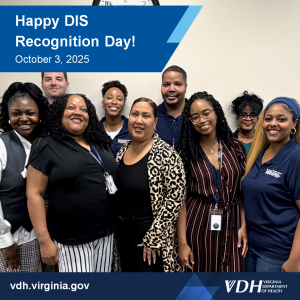
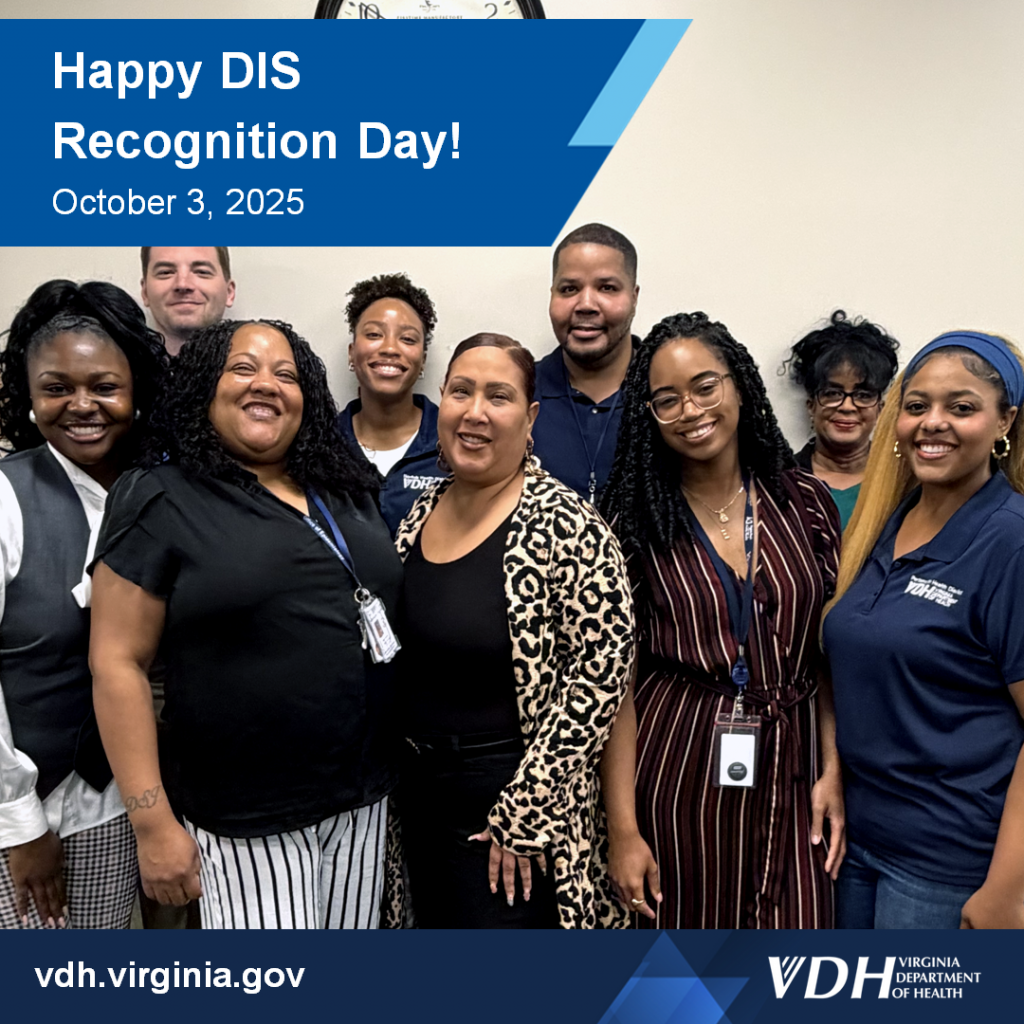
DIS Recognition Day PhotoDIS (Disease Intervention Specialist) Recognition Day was Friday, October 3. This special day is observed nationally each year to promote the special work that our DIS do within our communities. The National Coalition for STD Directors, VDH, and DDP had blog postings for the occasion and promoted or shared posts and graphics on social media.

Read more about the special work that Virginia DIS do on our blog posting. While DIS Recognition Day may have passed, we thank our Virginia DIS for their hard work and dedication every day!


Exciting News! The Resource Connections Website is Getting a Makeover

The RC LogoThe Resource Connections website is being relaunched with a fresh new look and a new name — The RC: Resource Connections — on the Connect 211 platform! Along with the updated design, the site will feature a new logo and URL.
What to Expect During the Transition:

    • Automatic Redirect: For a limited time, the original URL will automatically redirect to the new one, giving you time to get familiar with the updated address.
    • Seamless Content Migration: All existing information from the original platform will be transferred to Connect 211.
    • Funded Agency Access Restored in early 2026: If you are a funded agency, you’ll be able to update your profile and other relevant information once that functionality is restored in early 2026.

The DDP team is working diligently to ensure a smooth and timely transition with minimal disruption to your access to the valuable resources listed in The RC: Resource Connections directory.

Stay tuned — more details will be shared as they become available, and DDP will announce the official relaunch date soon!


Opt-Out DoxyPEP at Select PrEP Clinics

DoxyPEP will now be offered as an "opt-out" service for appropriate PrEP (pre-exposure prophylaxis) clients at local health departments across the state. Roll out of the initiative will happen over the next several months at select sites.

DoxyPEP is the use of doxycycline to prevent syphilis, chlamydia, and gonorrhea after a potential exposure. It is a single dose of 200mg taken within 24-72 hours of unprotected sex and is highly effective in reducing bacterial STIs. The Centers for Disease Control recommends it for gay, bisexual, and other men who have sex with men and transgender women with a history of at least one bacterial STI in the last 12 months.


Which Cardiovascular Disease Risk Calculator Is Best in HIV Care? Global Assessment Leaves More Questions Than Answers

Researchers compared three cardiovascular disease (CVD) risk calculators: Pooled Cohort Equations (PCE), PREVENT, and SCORE2. They used data from the REPRIEVE trial involving 7,757 people with HIV but no prior atherosclerotic cardiovascular disease (ASCVD). They found that the calculators often gave very different risk assessments for the same patients: PCE classified the most as statin eligible, PREVENT the fewest, and SCORE2 was in between. Despite this, the number needed to treat (NNT5) estimates were similar across groups.

The analysis highlights that PCE, widely used in U.S. guidelines, tends to underestimate cardiovascular risk in people with HIV because it doesn’t account for HIV-related factors like chronic inflammation and antiretroviral therapy. There is no universally validated risk tool for people with HIV yet. The findings suggest clinicians should use these calculators cautiously and encourage more open, individualized discussions about statin therapy rather than relying solely on risk scores.

Clinicians in the U.S. have generally relied on the PCE to estimate 10-year ASCVD risk because it’s embedded in national guidelines and electronic health record systems. It’s easy to use, and it’s what insurers, cardiology colleagues, and primary care guidelines reference.

This study doesn’t demand an overnight change in our clinical practice. However, the findings should encourage clinicians to have more proactive conversations about statins with their patients, not push statins on everyone, but to make sure risk is discussed openly and contextually.

Further information about this review or about the primary authors of the study can be found on the BodyPro.com or contact Safere Diawara at safere.diawara@vdh.virginia.gov.


Patient-Centered HIV Care Is Key to Adherence and Viral Suppression in Women of Color

A cross-sectional study was conducted with 542 women of color living with HIV in Miami-Dade County between June 2021 and March 2022. It found that patient-centered, culturally sensitive care, especially provider behaviors such as respect, listening, involvement in decision-making, and spending adequate time with patients, is key to promoting antiretroviral therapy (ART) adherence and viral suppression. The study population, enrolled in Ryan White Program clinics with strong support systems, had a high viral suppression rate (~91%), much higher than the national average.

The findings highlight that small interpersonal actions, when supported by robust systems that address barriers, can greatly impact clinical outcomes. Different racial and ethnic groups emphasized different aspects of the patient-provider relationship, underscoring the importance of culturally tailored care rather than one-size-fits-all approach. This study confirms that compassionate and respectful care, the often overlooked “soft” skills of clinical practice, are critical to long-term ART success in women of color with HIV.

Patient involvement in decision-making was especially important for some groups, reflecting the diversity within racial and ethnic populations. Overall, this research reminds us that culturally informed care that acknowledges these nuances is essential for effective HIV treatment.

Find more information about this review and the primary authors of this study at the BodyPro.com or by contacting Safere Diawara at safere.diawara@vdh.virginia.gov.


Study Finds that ART Is Not a Guaranteed Lifesaver for Pediatric Patients with HIV

A systematic review and meta-analysis of 84 studies (2000–2020) examined HIV-related mortality in children and young adolescents (ages 0–15) receiving antiretroviral therapy (ART). The analysis found that mortality risk is highest in the early period after ART initiation and is strongly influenced by age and immune status at the start of treatment, particularly low CD4 counts.

While ART is essential, it is not always sufficient to prevent early deaths. Early diagnosis, rapid treatment initiation, prophylaxis, management of opportunistic infections, and strong inpatient and outpatient support during the first weeks to months of care are critical. These factors help explain why early deaths persist even as overall pediatric HIV mortality declines.

The findings reaffirm that delayed treatment leads to poorer outcomes and highlights the urgent global need to strengthen early pediatric HIV diagnosis and care. Although key interventions are known, achieving equitable outcomes will require addressing persistent health system and social barriers that hinder timely access and sustained care for children living with HIV worldwide.

For more information on this review or about the authors of this study, visit the BodyPro.com or contact Safere Diawara at safere.diawara@vdh.virginia.gov.


HIV Epi Profile Updates Available

The HIV Epidemiology Profile Updates for 2024 have been added to the DDP Data and Reports page.

Updates are available for:

Contact Lauren Maxwell with any questions about the new updates at L.maxwell@vdh.virginia.gov.


Personnel Announcements

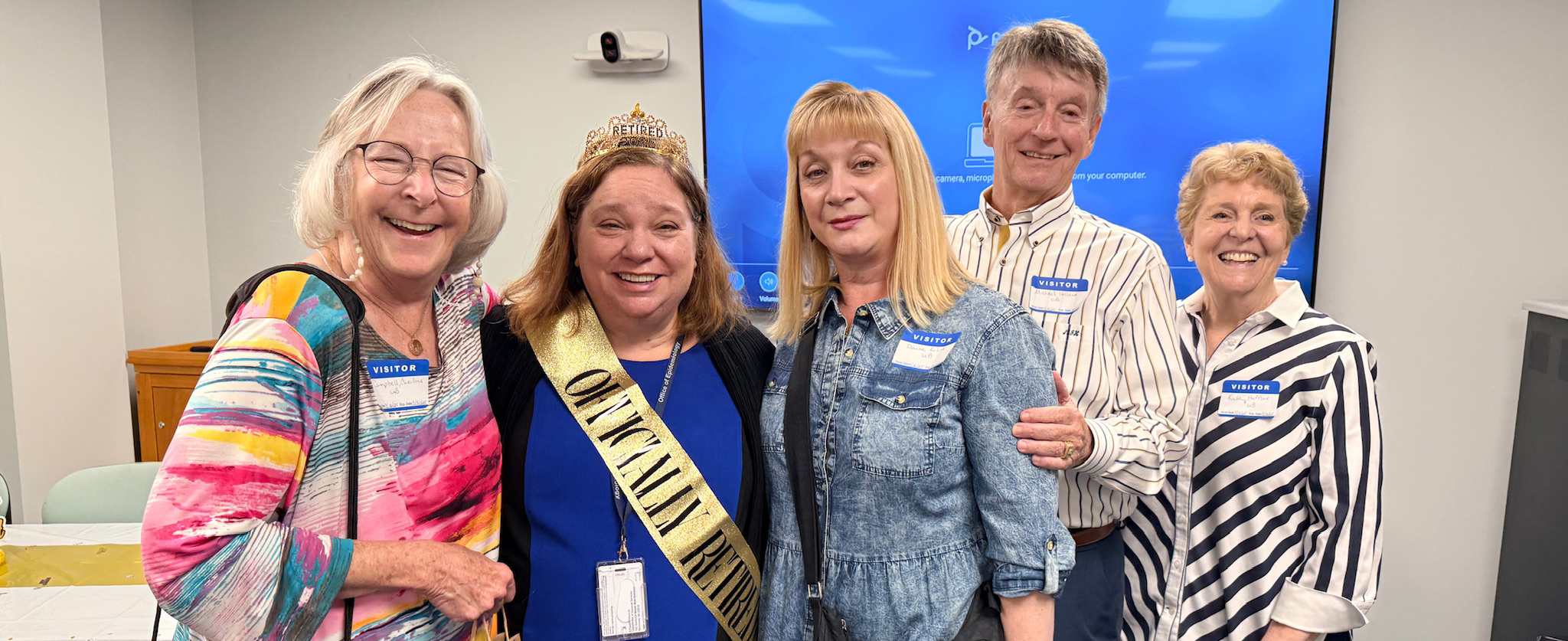
Retirement: Elaine Martin

Elaine Martin’s last working day with DDP/VDH was Tuesday, September 30. She is on leave until her official retirement date, January 1, 2026. Elaine has served as the Director of DDP since 2022. In total, Elaine gave 38 years of service to the Agency and our division; many of those years were in a leadership capacity. Her career began at the height of the HIV/AIDS epidemic in the United States. Her expertise and contributions to HIV/AIDS in public health in Virginia (in collaboration with colleagues) were many, including creating programs such as:

    • HIV self-testing
    • Comprehensive Harm Reduction (CHR) in Virginia
    • HIV/hepatitis pharmacy testing
    • Pre-exposure prophylaxis (PrEP) for HIV
    • Comprehensive HIV/AIDS Resources and Linkages for Individuals Experiencing Incarceration (CHARLII)

Many of these programs were innovative at the time and have since become successful staples in the eyes of federal agencies and other states and jurisdictions. For instance, the Centers for Disease Control and Prevention eventually developed their own HIV self-test kit program and now encourages pharmacy testing of their funded state health departments!

We wish Elaine the best in her retirement as she enjoys traveling and relaxing with her adoring pets. Happy retirement, Elaine, you will be missed!

Photo of Elaine Martin's retirement lunch

Celebrate DIS Recognition Day with Us!

National DIS Recognition Day is observed annually on the first Friday in October. This is the 14th year it has been celebrated! We honor the dedicated Disease Intervention Specialists (DIS) as a vital part of the public health workforce. From locating people in need of treatment and testing, contact tracing to outbreak response, their work is critical.

Who are DIS?

DIS Recognition Day PhotoDIS are trained public health professionals with varied backgrounds and skill sets. They’re a group of public health specialists who identify, locate, and prevent the transmission of infections. They often have experience in community health, social work, health education, outreach, public health, and lived experiences.

DIS provide critical services in our communities that improve sexual health, increase knowledge and education, and improve health outcomes. This can include new and reemerging infections, as well. Here are some ways that DIS work hard every day to help improve sexual health:

    • Provide non-judgmental answers to difficult questions and easy to understand sexual health education
    • Swiftly connect individuals to sexual health screening and treatment services
    • Confidentially support partner notification (also called partner services) of individuals potentially exposed to STDs
    • Make referrals to wrap-around services including housing, substance use, mental health, harm reduction services and more
    • Lead frontline tracing efforts for emerging and remerging infections including tuberculosis, COVID-19, mpox, and others whenever needed
    • Locate and share available resources based on the needs of their local communities

The DIS job is not easy. It requires compassion, persistence, and a unique ability to build trust with people during some of the most vulnerable moments of their lives.

DIS in Virginia

In Virginia, our DIS are truly vital to protecting and promoting the health of Virginians. Here are some examples of the work that they’ve done recently to make our communities healthier and safer:

    • From January 2024 to date, DIS outreach prevented 148 congenital syphilis cases by reaching out to pregnant women diagnosed with syphilis and ensuring they received appropriate treatment.
    • From January 2024 to date, DIS interviewed 5,934 people and elicited 4,578 partners, associates at risk, and social contacts at risk.
    • These efforts interrupt disease transmission in our communities and improve the health of Virginians daily.

How can you help celebrate DIS Recognition Day?

Visit our Facebook and share the post about DIS. Thank them for their hard work!

Remember, if you or someone you know are ever contacted by a DIS, they are working hard to protect your health and work as a public servant. You can always call your local health department with questions if you are contacted by a VDH staff member. Cooperating with DIS efforts will benefit your health and others.

Thank you to all Virginia DIS for their tireless efforts in improving the health of Virginia communities!

DDP E-Bulletin: September 2025

September Ebulletin Header Photo, Decorative

The CHPG is looking for New Voices!

CPG LogoThe Virginia Community HIV Planning Group (CHPG) needs new members. The CHPG works with DDP to develop and monitor Virginia’s Integrated HIV Services Plan. Their main goal is to end the HIV epidemic and improve the health of people with HIV. The Plan will guide DDP work over the next five years.

The CHPG is looking for members from the following groups:

    • People with HIV
    • People vulnerable to HIV
    • HIV care and prevention providers
    • Health department staff

We also need people from agencies that provide:

    • Mental health and substance use treatment
    • Housing services
    • Social services
    • Other services used or needed by the people we serve

People from communities of color, people from the Northern and Eastern region of Virginia, as well as men and those that fall outside of the gender binary are of particular interest for recruitment. At least 30% of the CHPG are people with HIV. There are attendance rules as Community participation is crucial to the mission of CHPG.

The group meets six times a year on Thursdays or Fridays from 9:00 am to 4:00 pm in Richmond. Members who live outside of the meeting area will have a hotel room provided. Meals and travel will be reimbursed. Lunch is served at meetings.

For more information or to read meeting bylaws, visit the DDP Get Involved page.

The application does ask personal and sensitive questions so we can select a diverse group of members. We keep applications in a secure system, and they are seen by only the Membership Committee and certain VDH staff.

If you have any questions, please contact Ashley Yocum, Care Services Planner, at ashley.yocum@vdh.virginia.gov, or Olivia Allison, Program Specialist, at olivia.allison@vdh.virginia.gov.

You can submit an application at any time. However, the Membership Committee will meet in October 2025. New members will join in December 2025. Don't miss out on this chance to drive meaningful change. If you are interested, apply now!

VA MAP Clients Eligible for Medicaid Must Transition

Federal funding rules state that the Virginia Medication Assistance Program (VA MAP) cannot pay for client care if there is another way of paying for it. This is not a new rule. If a client meets all of the eligibility requirements for Virginia Medicaid, VA MAP cannot provide them with medication. With limited funds, VDH must apply this rule strictly to ensure as many clients as possible can receive medicines. Clients have a limited amount of time to enroll in Medicaid before losing medication coverage. VDH has sent out client and provider letters about the situation.

Read the provider letter for more information on how you can help your clients during this transition.


Condom Program Update

Condom photoBulk condom orders are currently on hold while the Department of General Services negotiates with Global Protection to renew its contract with the Commonwealth of Virginia. This situation has extended beyond initial expectations, resulting in temporary shortages of several brands, including non-latex condom options, lubricant, and Trojan Magnum condoms.

DDP is optimistic about resuming orders from Global Protection soon. In the meantime, we encourage you to place your order with hiv-stdhotline@vdh.virginia.gov using the updated VDH Condom Order form, which is available on our website. This form will be continuously updated to reflect our inventory. We hope to clear out our current stock during this hold, streamlining future orders directly through Global Protection.  Therefore, there is no current hard limit on condom orders. However, orders may be adjusted depending on inventory.

We appreciate your understanding and patience during this period, and we will keep you updated as the situation changes. If you have any questions or need assistance, please reach out to the Disease Prevention Hotline at hiv-stdhotline@vdh.virginia.gov.


Reminder: HIV & Hepatitis Testing Team Administrative Portal

The HIV and Hepatitis Testing Team Administrative Portal is DDP’s central resource for agencies to manage HIV and Hepatitis testing needs. Community-based organizations, local health departments, and health centers can use the portal to:

    • Request:
      • Testing supplies (such as HIV and HCV test kits and/or controls)
      • CTR forms
      • Tyvek envelopes
      • Technical assistance
    • Report problems with test kits or controls
    • Notify DDP about expiring or test kit controls
    • And more!

To access the Administrative Portal, visit: https://redcap.vdh.virginia.gov/redcap/surveys/?s=MYEJ39XTY9. The link to the portal is also available on the DDP Community Partners page under the General Partner Agency Resources expandable tab.


New HIV Annual Report Available

The 2024 HIV Annual Report is available on the DDP Data/Reports page.

    • In 2024, VDH reported 852 new HIV diagnoses (a 2% decrease from the 870 reported in 2023)
    • While the overall number of new diagnoses were down, there was a 41% increase reported in the age group 15-19.
      • The 41 new diagnoses among people aged 15-19 equal the previous high over the past 6 year in 2019 (also 41)
    • Black, non-Hispanic and Hispanic/Latino race and ethnicities continue to be disproportionately impacted by new HIV diagnoses (25.8 and 15.3 new diagnoses per 100,000 persons, respectively)
      • People reporting Hispanic/Latino (all races) increased significantly since 2022 (about 27% increases each year).
    • In 2024, there were 28,264 people with HIV living in Virginia

For any questions, please contact Lauren Maxwell, Lead HIV Epidemiologist, at L.maxwell@vdh.virginia.gov.


New CME Training Opportunity: Syphilis and Congenital Syphilis on the Rise – How to Protect Your Patients

A new online training opportunity is available. There are no fees involved to participate or to receive credit.

Physicians, nurses, and pharmacists can earn CME/CE credit upon completion of the course and post-credit.


Upcoming 340B Health Webinars

Stay up to date with 340B information! The 340B Coalition is holding several upcoming webinars. These include:

    • 340B Updates from the Field
    • 340 Bootcamp 2024: A 3-Part Series for 340B Beginners
    • Complimentary Webinar: Maximizing Your 340B Health Membership

Some webinars require membership to the 340B Coalition or require a registration fee.


Personnel Announcements

No DDP personnel updates for September 2025.

Virginia Medicaid & VA MAP – What You Need to Know

Federal funding rules say that the Virginia Medication Assistance Program (VA MAP) can’t pay for client care if there is another way of paying for it. This includes Medicaid. This is not a new rule.

If you meet all of the eligibility requirements for Virginia Medicaid, VA MAP cannot provide you with medication. With limited funds, VDH must apply this rule strictly to ensure as many clients as possible can get their medicines. Clients have a limited amount of time to enroll in Medicaid before losing medication coverage.

The VDH VA MAP program is holding several informational sessions in the next few days.

For more details on informational sessions, or to find the client letter with full details on the VA MAP/Medicaid transition, visit the VA MAP web page (this information is under the Recent Announcements tab).

New CME Training Opportunity: Syphilis and Congenital Syphilis on the Rise – How to Protect Your Patients

A new training is available for the following audiences located in the U.S.:

    • Obstetricians/gynecologists
    • Primary care providers
    • Nurse practitioners/physician assistants
    • Pediatricians
    • Nurses
    • Pharmacists

This is an online training opportunity. There are no fees involved to participate or to receive credit.

The goal of the training is for participants to learn how to better implement guideline-based screening recommendations for syphilis and congenital syphilis.

Physicians, nurses, and pharmacists can earn CME/CE credit upon completion of the course and post-test.

This training is organized by Medscape.org. To register/complete the training, you must sign up for, or already have, a Medscape account.

Please note that due to elevated rates of syphilis among women of childbearing age in Virginia, currently all pregnant women should receive syphilis screening in the first trimester, early third trimester, and at delivery. This varies from the overarching screening guidelines covered in the training but is consistent with the recommendation of the American College of Obstetricians and Gynecologists (ACOG), and other national organizations.

DDP E-Bulletin: August 2025

August E-Bulletin Photo, Virginia Beach, Frothy Oceanfront

Virginia Mpox Updates

Mpox Photo, Square

As of August 19, 2025, 22 mpox cases have been reported to VDH this year. To compare, Virginia had 27 cases in 2024. A concerning increase occurred this July with 13 of the 22 cases being reported. Of 2025 cases, 12 were in the Northern region, five in Central, four in Eastern, and one in Southwest. Among this year’s cases with available information, six of 19 (32%) were in people who recently traveled. This suggests that most infections were locally acquired. Five of 21 (24%) cases were in people with HIV. Thirteen of 19 (68%) were in people who were not vaccinated. As in recent years, most of this year’s cases occurred in adult males.

To date, all mpox cases in Virginia have been caused by Clade II monkeypox virus. This is the strain responsible for the global outbreak that began in 2022. Large Clade I and Clade II outbreaks are occurring, including in Central and Eastern African and in West Africa.

While our local health departments received this update and the below recommendations, we ask our valued community partners to continue to:

    • Educate the public about mpox prevention and vaccination
    • Include mpox in appropriate outreach and education services
    • Refer eligible clients to their local health department for vaccination and relevant services
    • Download, use, and share VDH mpox digital and print resources

Contact Diana Prat, Deputy Director, Division of Disease Prevention, at diana.prat@vdh.virginia.gov, or 804-864-7961, with any questions about DDP mpox efforts or for additional assistance.

DDP Data Dashboards

Ryan White Map Dashboard Screen CaptureIn collaboration with the Division of Informatics and Information Systems (DIIS), DDP has released a new interactive dashboard for Ryan White services. The dashboard is a map of service providers throughout the Commonwealth. It allows users to filter providers by region or service type (part A, B, C, or D). Pop out maps are provided on the map to provide detailed views of areas with higher provider density. You can find the interactive map on the Ryan White Resources page. The webpage includes a description of the different Ryan White parts beneath the map. Please note that this dashboard does not take the place of a service directory and does not contain detailed contact information for agencies. If you see corrections or changes needed to the dashboard, please contact Rivkah Meder at rebecca.meder@vdh.virginia.gov. Updates to the Resource Connections database can be submitted to Brandon Cunningham at brandon.cunningham@vdh.virginia.gov.

Additionally, DDP has relaunched the mpox data dashboard. This dashboard is separate from the Monthly Surveillance Report. This will allow for a closer look at mpox data and will get updated weekly, not monthly.


Changes to National Clinician Consultation Center Hotline

The National Clinician Consultation Center (NCCC) now has one phone number for all programs, including:

    • PrEP
    • NPEP
    • Hepatitis C
    • Substance Use
    • HIV/AIDS
    • Perinatal HIV/AIDS

NCCC Hotline Number: 844-ASK-NCCC or 844-275-6222

Hotline hours are Monday through Friday from 11 a.m. to 7 p.m. ET, excluding holidays.

For now, if you call the previous numbers, you will automatically be forwarded to the new line.

Please note that Perinatal HIV/AIDS consultations will continue to be available 24 hours, seven days a week.


New Partnership Expands Access to Treatment for CHR Clients

The Comprehensive Harm Reduction (CHR) programs in the Lenowisco and Cumberland Plateau Health Districts are excited to announce a new partnership with Revida Recovery Centers to provide Medication-Assisted Treatment (MAT) via telemedicine.

Through this initiative, CHR clients who express interest will receive a warm, supportive, and streamlined introduction to treatment:

    • A public health nurse will explain the service.
    • If the client chooses to participate, vital signs will be taken, enrollment paperwork completed, and a point-of-care urine drug screen performed onsite.
    • Specimens will be sent to Labcorp for confirmation testing.
    • The client will then meet— in our telemedicine room—with an addiction specialist from Revida Recovery.

This approach eliminates the stress of a first appointment in an unfamiliar setting and ensures CHR staff is right there to offer encouragement. We know that many clients receive referrals but never take that next step—by bridging the gap with onsite support, we hope to make the path to recovery less intimidating and more accessible.


DDP is awarded funding for a Harm Reduction Program with Pregnant Women

The Opioid Abatement Authority (OAA) awarded $631,420 per year for a three-year pilot project to support women who are pregnant and using drugs. Programs will center on patient navigation and case management for participants. Pilot sites will work closely with Title X programs in local health departments and Contraceptive Access Initiative funded agencies. Over-the-counter birth control and condoms are available to CHR female participants who do not wish to become pregnant until they can be linked to a provider for prescription birth control pills or a longer lasting birth control method the woman might choose.

This project was born out of a pilot syphilis testing program for women of childbearing years at CHR sites. In that project, if a woman tested positive for syphilis, she was given a pregnancy test. CHR sites realized that they were serving more pregnant women than they thought. This pilot was created to link women to prenatal care and follow along services after birth. Follow-along services will last until the child turns two.

Several entities contributed to the development of this strategy, including:

    • VDH’s Office or Family Health Services,
    • Department of Behavioral Health and Developmental Services,
    • Department of Medical Assistance Services,
    • Department of Social Services,
    • local health departments,
    • Child Protection Services (CPS),
    • CHR Site Staff, and
    • pregnant mothers who are/were using drugs.

If successful, rates of opioid abstinence syndrome will decrease, women who enter treatment will stay in treatment after the child is born, women will deliver healthy babies, and the mother will be connected to needed resources for both her and her baby.

More information will be shared when it is available.


Clinical Guidelines Update: Advancing Perinatal HIV Care

On June 12, 2025, the U.S. Department of Health and Human Services (HHS) Panel on Treatment of HIV During Pregnancy and Prevention of Perinatal Transmission has updated the recommendations for the use of antiretroviral drugs during pregnancy and interventions to reduce perinatal HIV transmission in the Unites States. The new updates to perinatal HIV care guidelines reflect the latest data and refining clinical practices.

Some key updates are summarized below:

Pregnancy and Postpartum HIV Testing and Identification of Perinatal and Postnatal Exposure

When determining the timing of repeat HIV testing in the third trimester, some clinicians conduct testing at or around 28 weeks of gestation together with the recommended timing of syphilis testing. This limits the number of blood draws and allows adequate time for syphilis treatment and congenital syphilis prophylaxis. Some clinicians also conduct a third test for HIV at the time of delivery hospitalization admission.

HIV Testing during Labor When HIV Status is Unknown

When there are plans to breastfeed, the panel strongly advises against initiating breastfeeding given the high risk of perinatal transmission. Breast milk should be expressed and stored appropriately. It should not be used for infant feeding unless all supplemental HIV test results are reviewed and determined to be negative.

Clinical Management of PrEP Use during Periconception, Antepartum, and Postpartum Periods

When prescribing PrEP, clinicians should confirm that no acute, potential exposure to HIV has occurred in the past 72 hours. In such cases, nPEP should be administered for 28 days prior to initiating PrEP.

Pre-Pregnancy Counseling and Partner Care

Assess knowledge about partner HIV status and the need to screen partner(s) for HIV and sexually transmitted infections. Provide testing or refer to services as needed. Discuss whether HIV status has been disclosed to sexual partner(s). Discuss options for PrEP when indicated.

Recommendations for the Use of Antiretroviral (ART) Drugs

If ART is not already being used during pregnancies impacted by HIV, ART should be initiated as early in pregnancy as possible, regardless of HIV RNA level or CD4 T lymphocyte cell count. This is to maximize health and prevent perinatal HIV transmission and sexual transmission.

During pregnancy, when there is a lack of experience with ART and no previous use of long-acting cabotegravir (CAB-LA) as pre-exposure prophylaxis (PrEP), Preferred regimens consist of the integrase strand transfer inhibitors (INSTIs) dolutegravir (DTG) or bictegravir (BIC) plus a tenofovir-containing dual–nucleoside reverse transcriptase inhibitor combination.

Abacavir (ABC) is also classified as an Alternative ARV drug for use in pregnancy.

These changes will help providers to deliver evidence-based care to pregnant women and infants. Visit HIV.gov to view all of the updates/revisions.

For more information, please contact Jasmine Christine Ford, HIV Care Services Clinical Coordinator, at jasmine.ford@vdh.virginia.gov. You may also contact Safere Diawara, HIV Care Services Manager of Clinical and Data Administration, at safere.diawara@vdh.virginia.gov.


“Gas Station Heroin”

U.S. poison centers have reported an increase in calls related to “tianeptine.” Tianeptine, also known as “gas station heroin,” is an antidepressant used in some Latin American, Asian, and European countries. Like opioids, tianeptine binds to opioid receptors in the brain. In the United States, it is not approved by the U.S. Food and Drug Administration (FDA) for human use and is not regulated under the Controlled Substances Act. In countries where tianeptine is prescribed, dosage ranges from 30 to 50 mg/daily. In the U.S., those who use tianeptine report much higher doses, on average approximately 1,500 mg/daily, with some reporting use in excess of 4,000 mg/daily. It is consumed orally, injected, or inhaled.

Tianeptine can be easily purchased in gas stations and online. It is typical sold as a nootropic (chemical to improve cognitive functioning), dietary supplement, or research chemical, with brand names such as “Pegasus,” “ZaZa Red,” “Tianna,” “Tianaa,” or “TD Red.” It is often sold as a powder or in tablet form. The Drug Enforcement Administration (DEA) reports law enforcement has seized tianeptine in the form of counterfeit pharmaceutical pills.

In high doses, tianeptine has opioid-like effects, and can lead to opioid-like dependance and withdrawal. Signs and symptoms can include:

    • Fast heart rate,
    • High blood pressure
    • Nausea and vomiting
    • Irritability or fatigue
    • Blue lips or skin, small pupils, unresponsiveness
    • Respiratory depression

First responders have reported that naloxone effectively reverses respiratory depression similar to opioid overdose. Withdrawal symptoms include:

    • Gastrointestinal complaints
    • Agitation and anxiety
    • Muscle spasms
    • Fast heart rate
    • High blood pressure
    • Tremors

Users have reported onset of severe withdrawal symptoms within only a few hours after use. The assumption that tianeptine can treat opioid use disorder among opioid users is false.

Recommendations

    • Make naloxone available to the public and encourage its use when someone’s respiration is depressed, even when there are no signs of opioid use.
    • Consider messages informing the public that just because a product is easy to obtain, does not mean that it is approved by the FDA or safe.
    • In Virginia, the Blue Ridge Poison Center is available 24/7 to assist both the public, as well as clinicians seeking consultation. (Public: 1-800-222-1222; Healthcare professional hotline: 1-800-451-1428)
    • Health care providers can submit adverse tianeptine effects to the FDA’s MedWatch reporting system.

Resources


DoxyPEP and PrEP Advertising

DDP is running Greater Than digital ads for both DoxyPEP and PrEP throughout Virginia during August.

The ads are being focused in areas where new cases of HIV, syphilis, and congenital syphilis have been diagnosed. Any community partners that offer DoxyPEP or PrEP services and are listed in national locators may receive an increase in inquiries or contact from clients as a result of these efforts. Communications have already been distributed to our local health departments.

For any questions about our digital ad efforts, or for copies of the assets being used for your use on social media and other digital platforms, please contact Chris Barnett, Public Relations Coordinator, at christopher.barnett@vdh.virginia.gov.


New Content from the National STD Curriculum 

The National STD Curriculum is a free educational website from the University of Washington STD Prevention Training Center. They have recently added new podcast episodes, mini-lectures, and lessons to their available free resources. Find links to their pages below to access their content and continue your education now.


Personnel Announcements

No DDP personnel updates for August 2025.

Is Mpox Still Around?

Yes.  While the numbers are not as high as in 2022, mpox cases are still being diagnosed in the U.S. and in Virginia.

About Mpox

Mpox spreads through close or personal contact.

People with mpox often get a rash.  The rash can occur on hands, feet, chest, face, mouth or near the genitals.  They may have other symptoms like fever, chills, and swollen lymph nodes.

People at higher risk are more likely to develop severe illness or need hospitalization.  Those include:

    • People with weakened immune systems
    • Children under the age of one year
    • People with a history of eczema
    • Women who are pregnant or breastfeeding

If you have mpox and have severe mpox symptoms, talk to your healthcare provider.  They may recommend medications to help reduce your symptoms.

The Mpox Vaccine

Check to see if you should consider getting the mpox vaccine.  The mpox vaccine is safe and effective at preventing mpox.  Be sure to get both doses of the vaccine for the best protection.  It’s not too late for your second dose – even if your first was in 2022.

To get vaccinated, contact your local health department.  Local pharmacies or your healthcare provider may also have the vaccine.  Before booking an appointment, contact them to make sure they carry the mpox vaccine.